In the vast, sun-drenched landscapes of rural Australia, a quiet revolution is taking place, driven by the hum of wings and the dedication of those who tend to them. Sophia Croker, a fourth-generation beekeeper, has emerged as a voice for an industry facing unprecedented challenges. Her story is not just about honey; it is about heritage, resilience, and the urgent need to protect the pollinators that sustain our food systems. As she travels the country with her hives, she carries with her the weight of history and the hope for a sustainable future.
Her journey invites us to look closer at the intricate relationship between humans and nature. It is a reminder that behind every jar of honey is a complex web of ecological balance, hard work, and vulnerability.
Body: Sophia Croker’s entry into beekeeping was not planned but destined. Growing up in a family with deep roots in the industry, she initially pursued other interests before returning to the apiary. Today, she manages hundreds of hives, moving them across states to follow flowering seasons and pollinate crops. This nomadic lifestyle, known as "bee droving," is physically demanding but essential for the health of the bees and the viability of the business.
The industry, however, is under severe threat. The arrival of the Varroa destructor mite in Australia has been a devastating blow, requiring strict biosecurity measures and constant vigilance. Sophia speaks openly about the stress this places on beekeepers, who must now monitor their hives more frequently and implement new treatment protocols. The mite weakens bees, making them susceptible to diseases and reducing honey production.
Beyond pests, economic pressures are mounting. Rising costs for fuel, equipment, and labor are squeezing profit margins, while imported honey floods the market, often at lower prices. Sophia advocates for greater consumer awareness, urging people to buy local, authentic honey to support Australian beekeepers. She emphasizes that cheap imports may not meet the same quality and safety standards as locally produced honey.
Climate change also poses a significant challenge. Unpredictable weather patterns, droughts, and bushfires affect the availability of nectar and pollen, forcing beekeepers to adapt quickly. Sophia’s experience highlights the need for resilient agricultural practices and government support for research into bee health and habitat restoration. Without healthy ecosystems, the future of beekeeping—and food security—is at risk.
Despite these struggles, Sophia remains passionate about her work. She sees herself as a steward of the land, responsible for ensuring that bees thrive. Her advocacy extends to education, where she shares her knowledge with schools and communities to foster appreciation for pollinators. By connecting people with the source of their food, she hopes to build a stronger base of support for the industry.
The cultural significance of beekeeping in Australia is profound, with many families like Sophia’s passing down skills and knowledge through generations. This heritage is at risk if younger people are discouraged by the difficulties of the trade. Sophia’s visibility as a young female beekeeper helps to break stereotypes and inspire others to consider the profession.
Closing: Sophia Croker’s story is a testament to the resilience of the human spirit and the enduring importance of nature. By speaking out about the struggles of the beekeeping industry, she sheds light on critical environmental and economic issues. Supporting local beekeepers and protecting pollinator habitats are steps we can all take to ensure that the hum of the hive continues to be a sound of hope and sustainability.
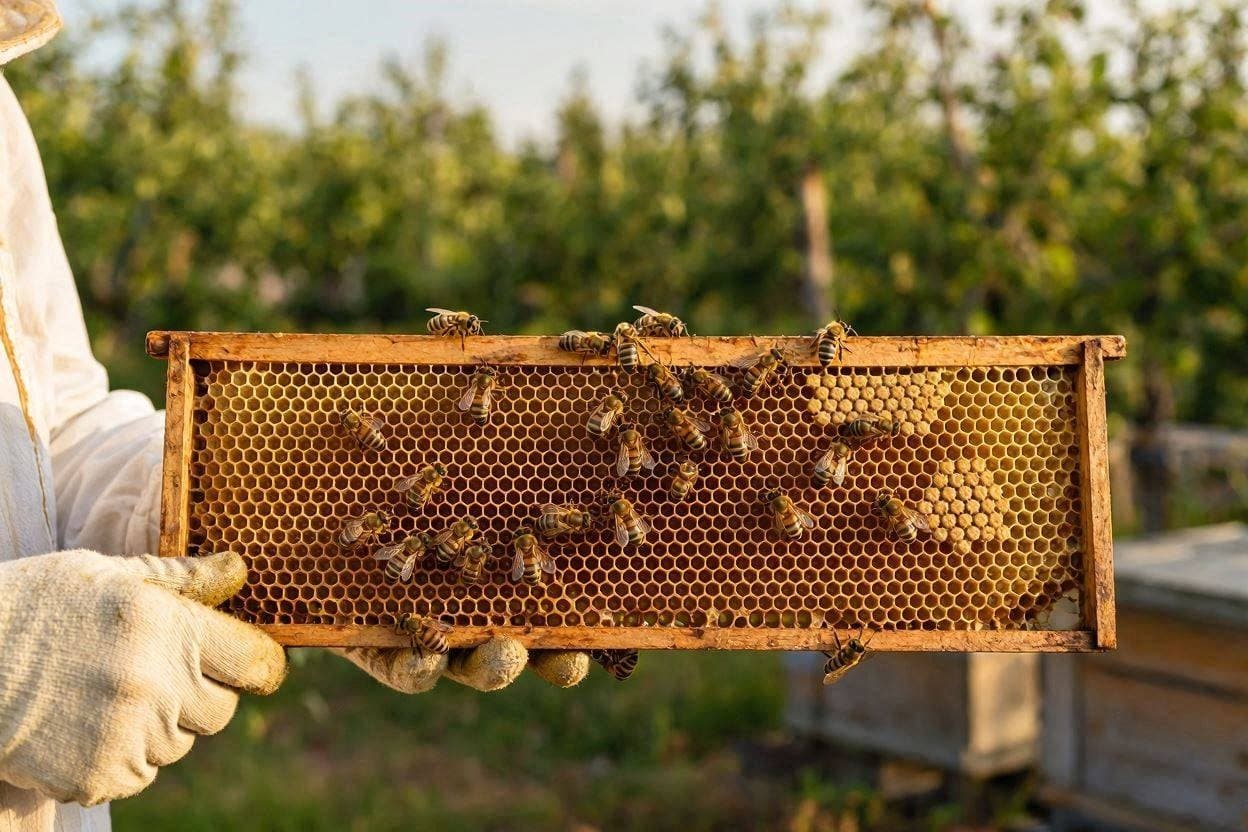
AI Image Disclaimer: Please be aware that any visual illustrations accompanying this text are AI-generated interpretations designed to evoke the thematic context of beekeeping and rural life, and do not depict actual photographs of Sophia Croker or specific apiaries.
Sources: ABC News Triple J Hack The Land Daily Telegraph
Published by Banx Network. This article is part of the Banx decentralized media programme, powered by the BXE token on the XRP Ledger.