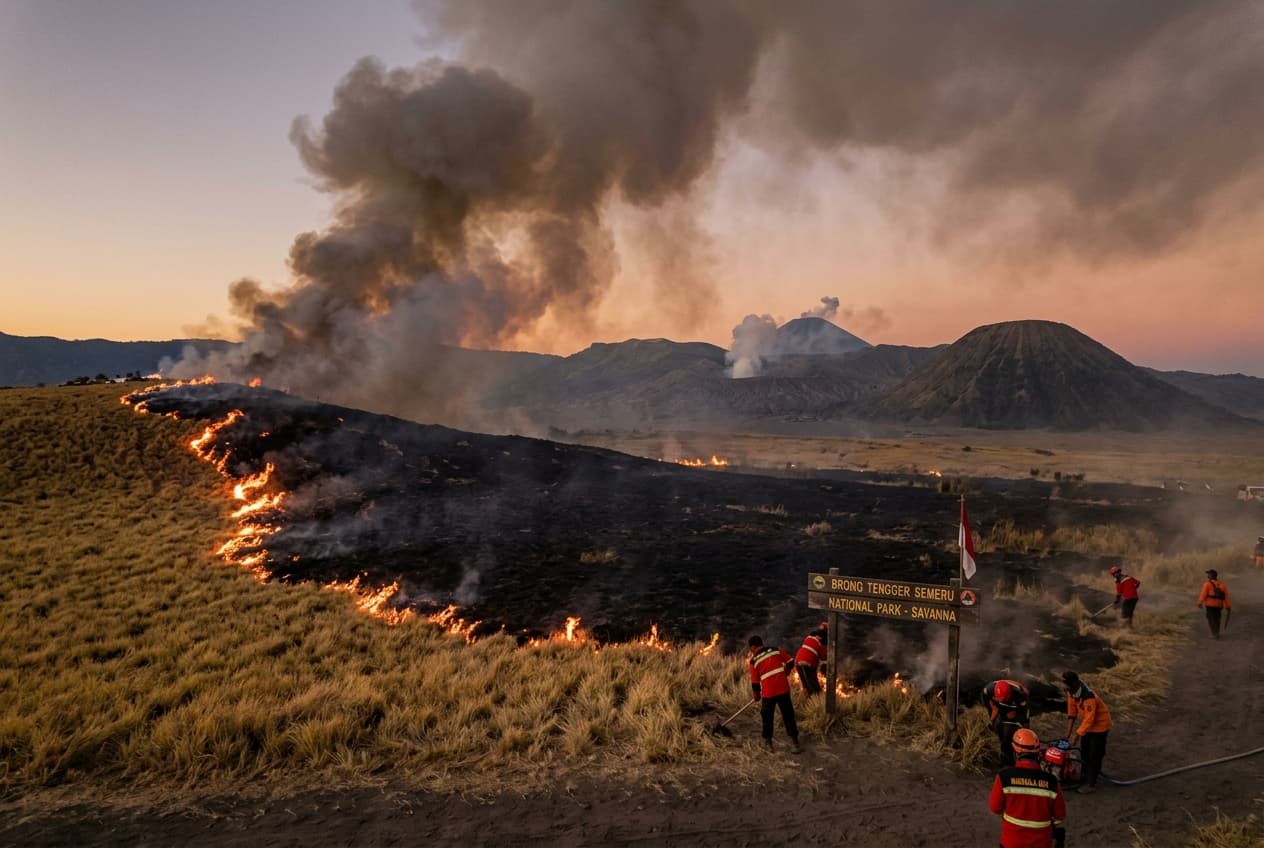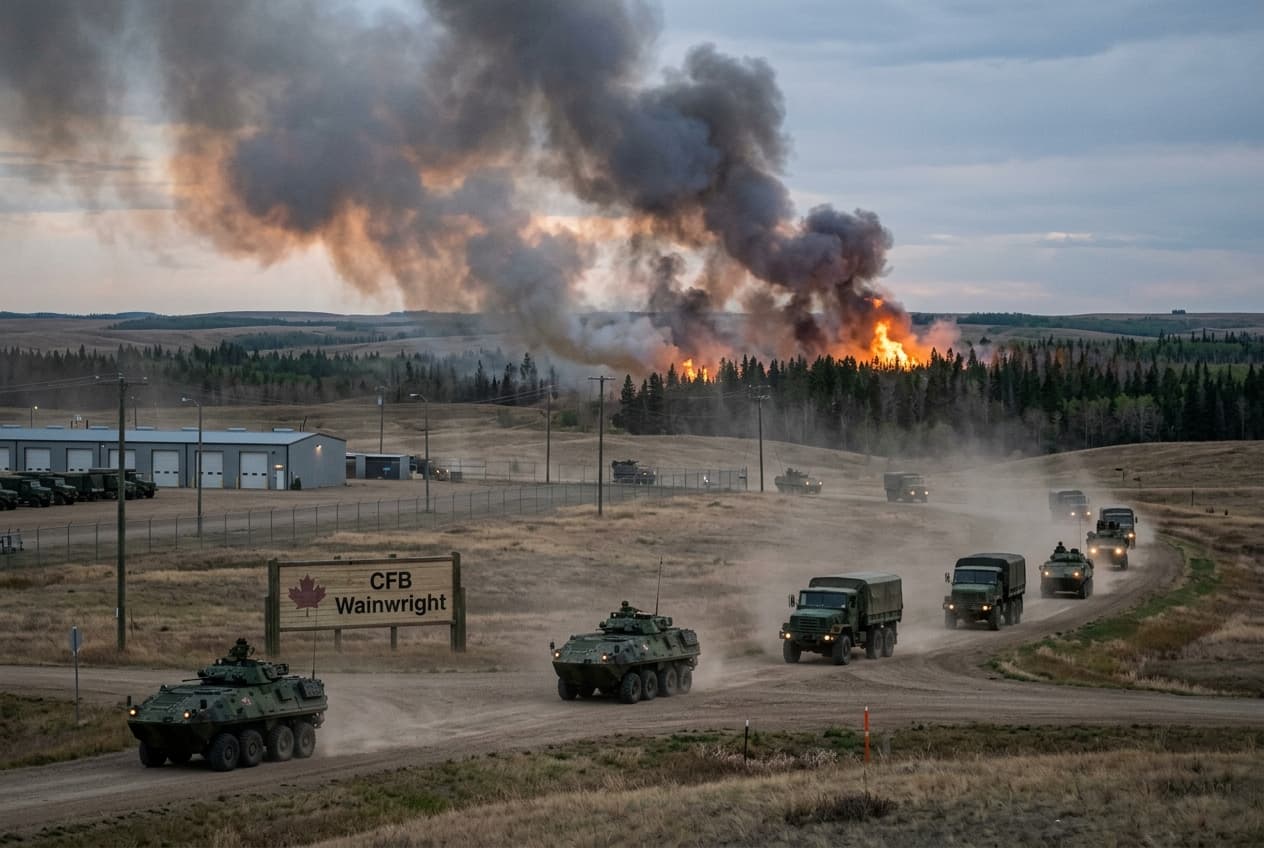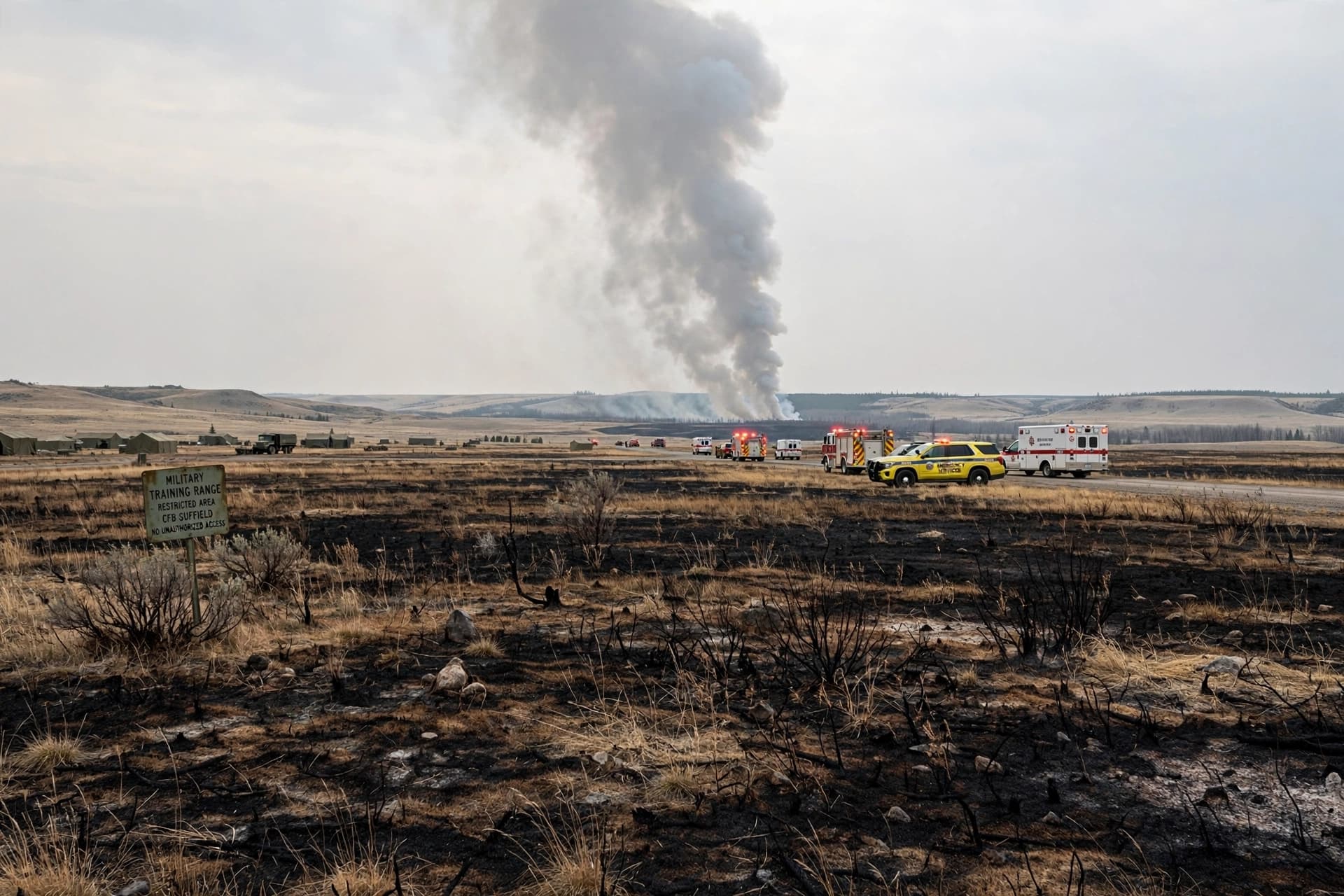
There is a particular sorrow that settles over a military community when the danger comes not from an adversary but from the ordinary elements of wind and grass and flame. Soldiers train for the worst that humanity can devise, yet sometimes the worst arrives without intention—a spark, a shift in the wind, and a training ground becomes a scene of devastation. At Canadian Forces Base Wainwright, that sorrow now has four names.
The Canadian military has identified the four service members killed in Saturday's fire: Sergeant Morgan Wong of the Loyal Edmonton Regiment, and Privates Shaun Farrell, Aidan Goulding, and Hayden Lykkemark, all of the 3rd Battalion, Princess Patricia's Canadian Light Infantry, based in Edmonton . All four were serving with the battalion when the fire broke out during a live-fire training exercise involving grenades and small arms .
The scale of the injury toll became clearer on Sunday. Alberta Premier Danielle Smith said 39 people were receiving medical care, with 19 in critical condition, eight stable, and 12 ambulatory and receiving treatment for less serious injuries . Some suffered severe burns and could face weeks or months of intensive treatment. Patients were transferred from Wainwright to four hospitals across Alberta—the University of Alberta Hospital and Royal Alexandra Hospital in Edmonton, Foothills Medical Centre in Calgary, and Red Deer Regional Hospital .
The response was massive and improvised under pressure. Alberta health officials said the emergency response lasted for 10 hours and involved 22 ground ambulances and eight aircraft . The Royal Alexandra Hospital in Edmonton declared a code orange—a disaster response protocol for a high-casualty incident—which was stood down on Sunday afternoon. One emergency department physician told CBC that the facility had been "completely overwhelmed" by the number of patients .
Prime Minister Mark Carney described the incident as "one of the worst tragedies for the Forces on Canadian soil in peacetime." He said the families of the four service members had been notified and ordered flags on federal buildings flown at half-staff . The personnel had come from bases across the country to train at Wainwright, preparing for a global response task force and a deployment to Latvia.
The investigation into the cause continues. Officials have said there were no indications of terrorist activity, and authorities do not believe the fire was caused by oil and gas infrastructure or outside interference. The focus, instead, is on the conditions that allowed a grass fire to ignite and spread with what officials described as abnormal speed, overtaking soldiers as they practiced the craft of combat .
For the families of Sergeant Wong, Private Farrell, Private Goulding, and Private Lykkemark, the questions of cause and prevention matter less than the fact that four people who went to work on a Saturday did not come home. For the 39 in hospital, the work of healing has only begun. And for the Canadian Forces, the memory of Wainwright will join the short list of peacetime tragedies that no training can prepare you for.
AI Image Disclaimer: This article includes AI-generated imagery created for illustrative purposes only.
Sources: BBC, 1News, Gulf News, Boston.com (Associated Press), VINnews
Published by Banx Network. This article is part of the Banx decentralized media programme, powered by the BXE token on the XRP Ledger.