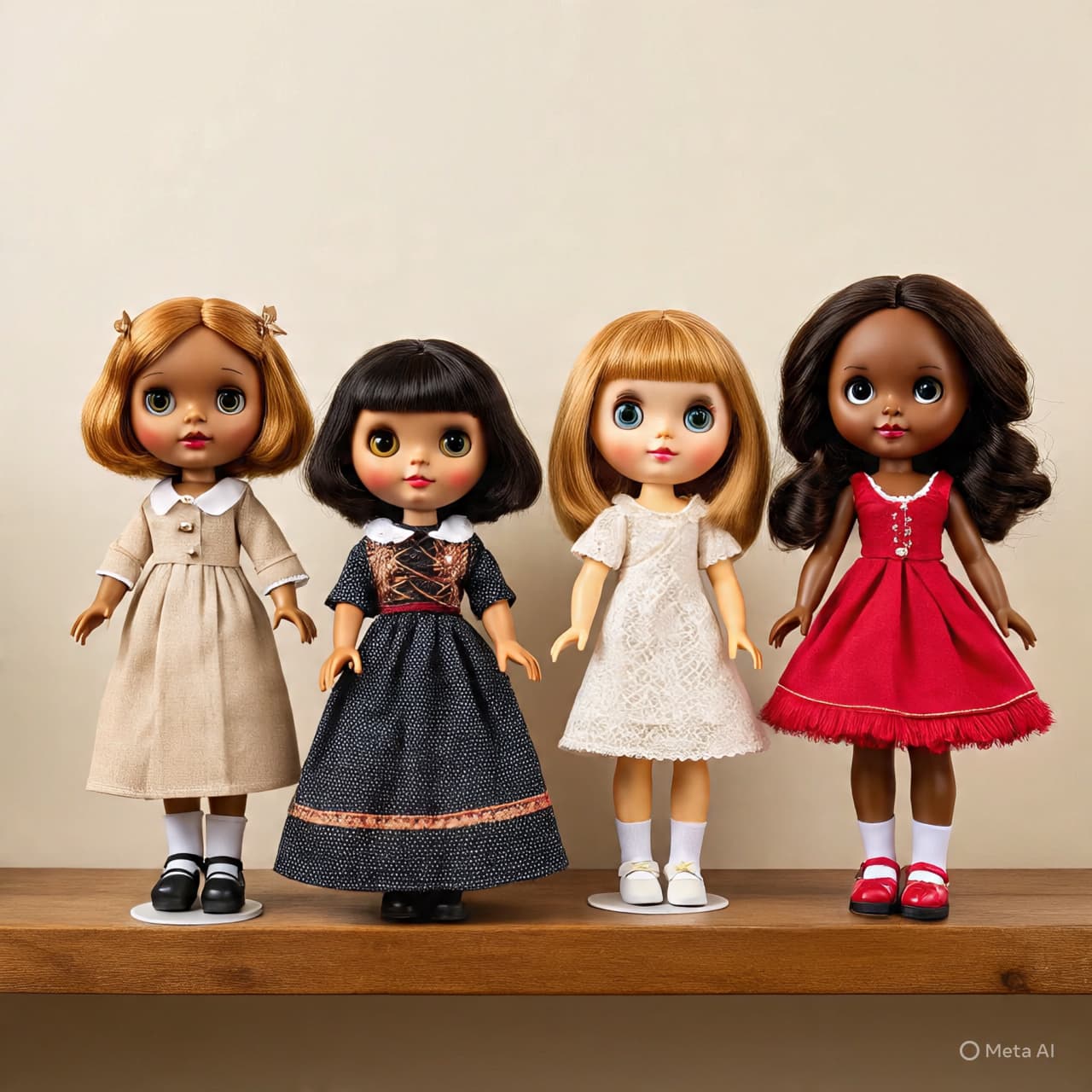
There are certain keepsakes in life that seem to grow richer with memory — an old photograph, a favorite book, a toy whose plastic limbs once danced through a thousand imagined stories. For millions who grew up in the 1980s, 1990s, and early 2000s, the catalog from American Girl was more than a shopping list: it was a window into worlds both past and present, stitched together with stories of courage, curiosity, and heartfelt connection. Now, forty years after the brand first debuted, that window shows both reflections of childhood and the shifting contours of play itself. Launched in the mid-1980s, American Girl carved out a unique space in the toy landscape by blending narrative and toy design — dolls accompanied by books that invited children into deeper relationships with their characters. Over the decades, historical figures like Samantha, Addy, and Josefina introduced young fans to rich stories of times and places beyond their own backyards. In more recent years, the line expanded to include contemporary characters and diverse narratives that speak to modern identity and experience.
But reaching forty is not simply an anniversary; it is a reminder of how much the world — and childhood play — has changed. In a digital age where screens compete with shelves for attention, Mattel, the parent company behind the beloved dolls, finds itself in a delicate balancing act. According to business reporting, while American Girl has seen sales growth in recent quarters, overall revenue remains significantly below its peak. This reality has pushed the company to rethink how to maintain relevance for both longtime collectors and new families navigating more cost-conscious choices.
Part of that effort involves bridging the cherished past and the speculative future. Around its 40th celebration, Mattel has introduced refreshed interpretations of classic characters — reimagined fashions and contemporary takes on beloved historical dolls — creating connections between generations who once loved them and the children discovering them today. At the same time, contemporary star characters like the 2026 Girl of the Year, Raquel Reyes, with her story rooted in heritage and kindness, reflect a conscious effort to blend tradition with present-day narratives that resonate with today’s diverse audience.
Yet this evolution is not without its moments of tension. Nostalgia threads tightly through the voices of adult fans who remember their first Samantha or Addy — long conversations in online communities ponder what might return, what might be reimagined, and how to honor what made the brand iconic while embracing refreshing directions. While some fans celebrate the updates, others express longing for re-releases of classic historical lines. These layered conversations speak to how deeply many feel connected to the dolls, not merely as playthings but as markers of memory.
At the same time, American Girl continues to explore extended collaborations — including renewed partnerships to expand Disney Princess lines under the brand’s umbrella — reflecting its broader ambition to stay entwined with contemporary storytelling and multimedia culture.
As Mattel charts its next chapters, it carries a dual inheritance: stories that parents once shared with their dolls and new narratives that children are just beginning to shape. Whether through the reinvention of classic characters, modern reinterpretations, or expanding worlds grounded in today’s experiences, the path forward blends respect for legacy with a mindful embrace of change.
Industry observers note that as American Girl navigates its 40th year, the brand’s strategic decisions — from product refreshes to storytelling partnerships — are designed to deepen engagement without losing the heartfelt connection that made the dolls a cultural touchstone. The balance between honoring nostalgia and innovating for tomorrow will continue to shape how the company evolves in a competitive play environment.
🖼️ AI Image Disclaimer Visuals are created with AI tools and are not real photographs.
Sources CNBC The Everymom American Girl Parents Space.com (used for surrounding context)
Published by Banx Network. This article is part of the Banx decentralized media programme, powered by the BXE token on the XRP Ledger.