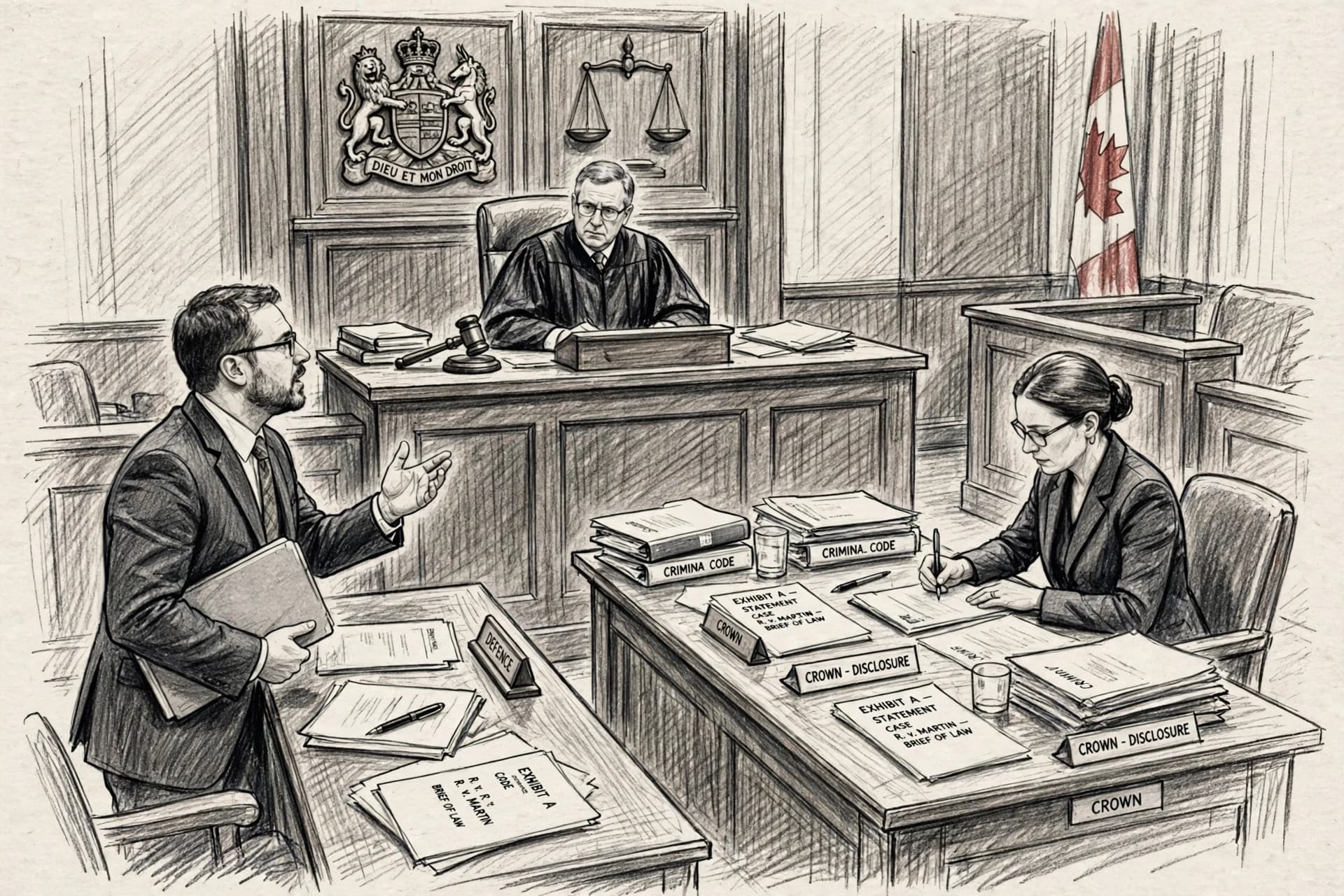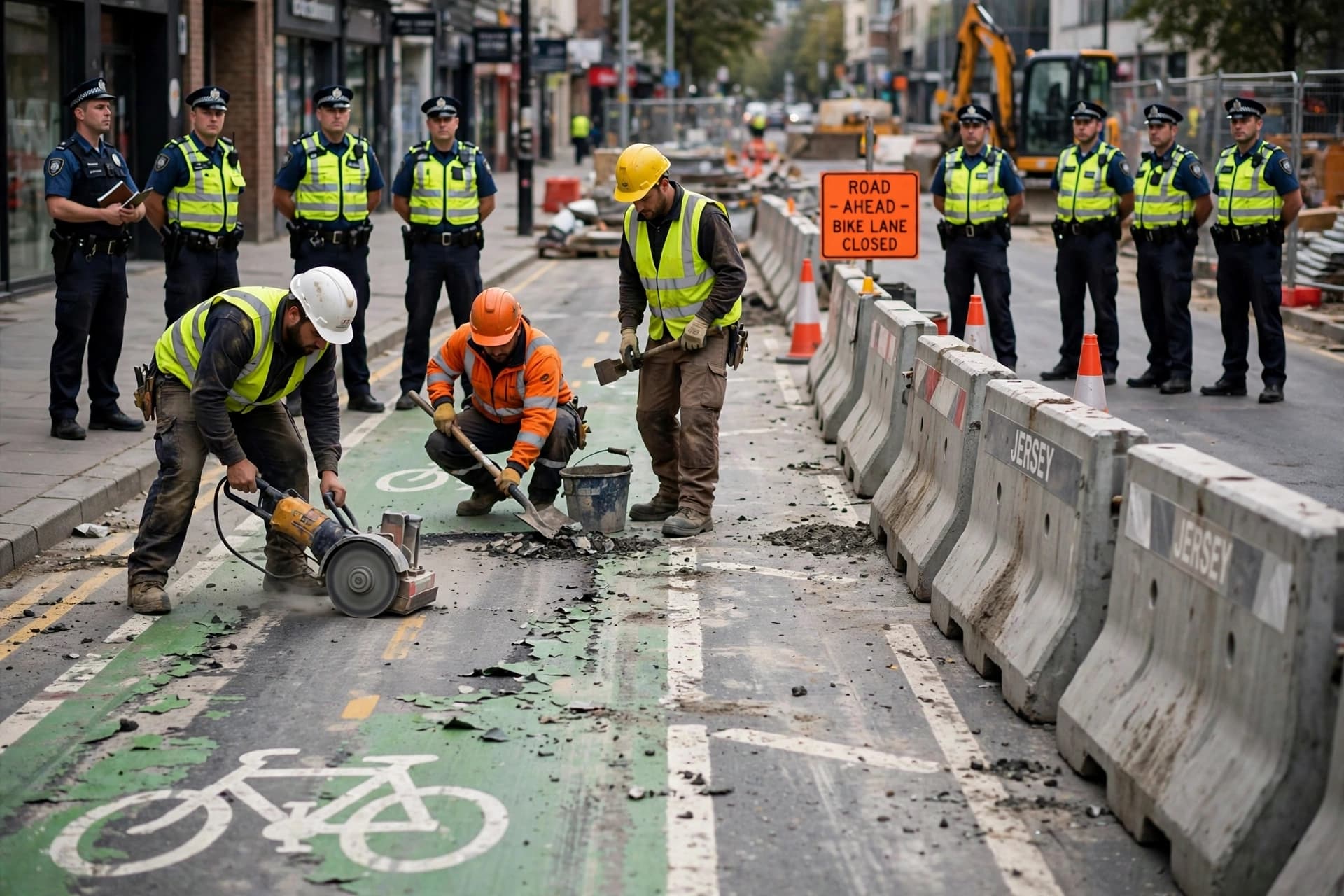
There are protests that shout and protests that sit. The one unfolding along a 1.2-kilometer stretch of Bloor Street West in Etobicoke belongs to the second kind, a daily gathering of bodies placed gently but firmly between construction crews and the bike lanes they have been sent to dismantle. On Monday afternoon, a twenty-nine-year-old Toronto man sat on a concrete barrier, refused repeated requests to move, and was arrested. He was the fourth person taken into custody since the removals began .
The Ontario government's plan to remove the protected bike lanes and restore vehicle lanes has drawn dozens of demonstrators to the corridor daily. Crews have been working under police protection since last week, when protesters initially blocked work trucks from beginning the removals . The man arrested Monday, identified in court records as Prajjwal Rajawat, was charged with mischief and obstructing police. He is scheduled to appear in court in January 2027 .
The first three arrests occurred last week. All three individuals, in their twenties, faced charges including mischief, obstructing police, and theft under $5,000 . Among them was Aly Van Wyck-Smart, a two-time Canadian Paralympian who was protesting in a wheelchair . The details of each arrest differ, but the pattern is consistent: people placing themselves in the path of work they believe should not proceed, and police removing them with measured patience before resorting to handcuffs.
There is a tension here that resists easy resolution. The province has the authority to remove the lanes. The crews have the right to do their jobs. The protesters have the conviction that the lanes should stay, that safety and climate and the shape of a city are worth the inconvenience of a daily standoff. The police have the task of enforcing the law without escalating a situation that is, at its heart, a disagreement about what a street is for.
The protests have been peaceful in the main. The arrests have been for interference, not violence. The charges are minor. But the accumulation of them, four in a week, suggests a line being drawn and tested. How long will people sit on barriers? How many will be arrested? How long will the work take? The answers are not yet visible, only the slow daily rhythm of construction and dissent.
AI Image Disclaimer: This article includes AI-generated imagery for illustrative purposes only.
Sources: CBC News, Toronto Star, Toronto Sun, CityNews Toronto
Published by Banx Network. This article is part of the Banx decentralized media programme, powered by the BXE token on the XRP Ledger.