
Key Highlights
- 42 disaster incidents recorded in a single day across Nepal.
- Emergency services activated high-alert protocols to respond.
- International aid organizations provide logistical support amid crises.
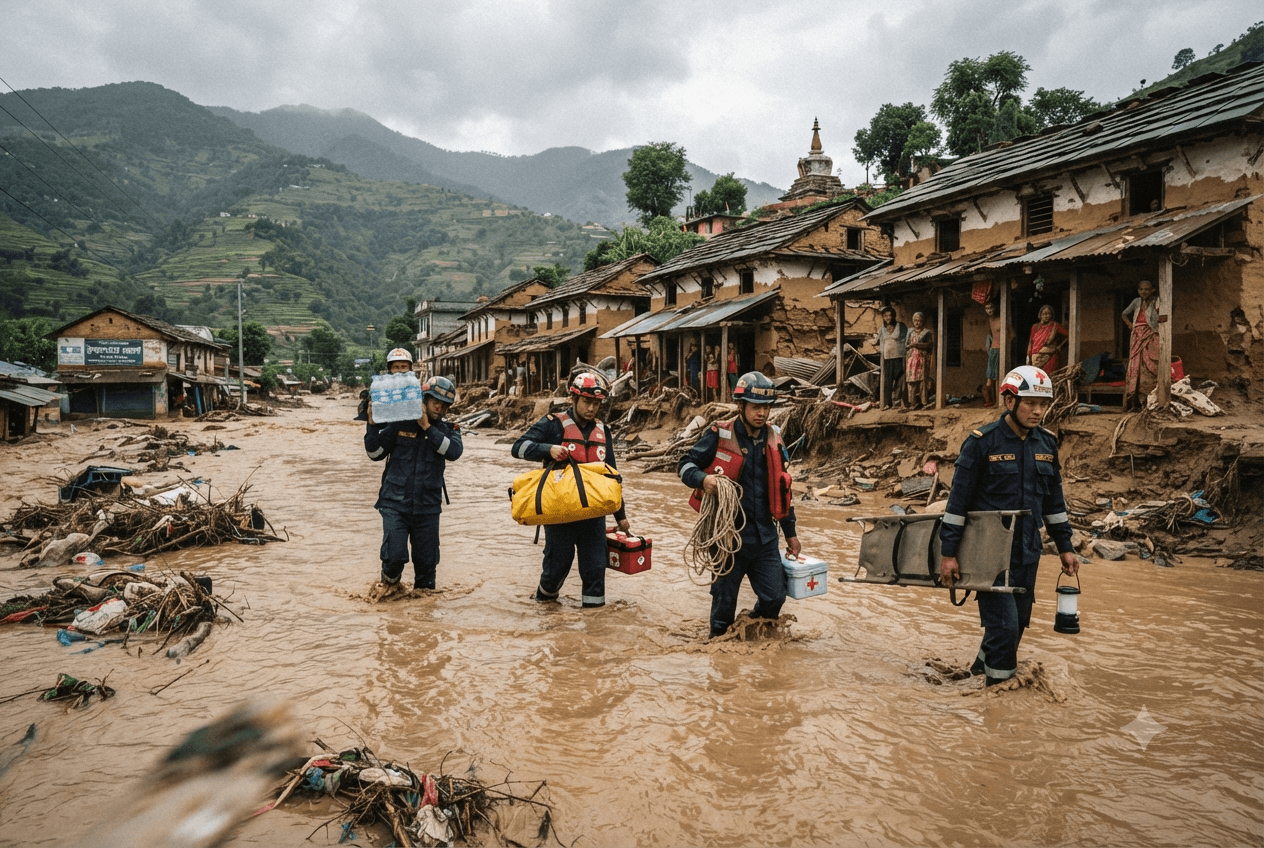
Kathmandu, Nepal—Emergency management authorities across the country scrambled to coordinate urgent rescue operations on Wednesday after a staggering forty-two disaster incidents were officially logged within a single twenty-four-hour period. The sudden surge of crises caught district administration offices off guard as flash floods, structural failures, and severe weather events struck multiple provinces simultaneously. National disaster response teams activated high-alert protocols, dispatching personnel and relief supplies toward vulnerable mountain communities and rain-swollen river valleys.
Home Ministry officials confirmed that the sheer volume of simultaneous calls for assistance severely strained communication lines and logistical capabilities in remote hill districts. Rescue helicopters executed multiple hazardous flights through low-hanging monsoon clouds to airlift injured residents from isolated pockets cut off by road washouts. District disaster management committees convened emergency sessions to allocate reserve funds for immediate food and medical distributions. Officials admitted that monitoring infrastructure was operating at maximum capacity as fresh reports of property damage poured into the central control room.
Relief camps filled up rapidly as displaced households sought refuge from continuing torrential rains that showed no immediate sign of abating. Medical teams deployed mobile health clinics to crowded shelters to prevent outbreaks of waterborne illnesses among vulnerable populations. Meteorological stations recorded unprecedented precipitation levels across the central and western zones, triggering severe soil saturation on steep slopes. Highway maintenance crews struggled to clear tons of debris blocking major national transit corridors connecting the capital to regional hubs.
International aid organizations offered logistical support as domestic resources dwindled under the relentless wave of concurrent emergencies. Prime Minister administrative offices monitored rescue coordination efforts via live satellite feeds, urging regional commissioners to prioritize life-saving operations above administrative paperwork. First responders rotated shifts under punishing conditions, operating on minimal sleep as new distress calls continued to arrive. The unprecedented cluster of calamities underscored deep vulnerabilities in rural infrastructure during the peak of the seasonal monsoon.
As the situation continues to evolve, authorities are urging residents in affected areas to remain vigilant and heed evacuation orders. The government is also appealing for additional support from international partners to bolster ongoing relief efforts and address the immediate needs of those impacted by these disasters.
Published by Banx Network. This article is part of the Banx decentralized media programme, powered by the BXE token on the XRP Ledger.



