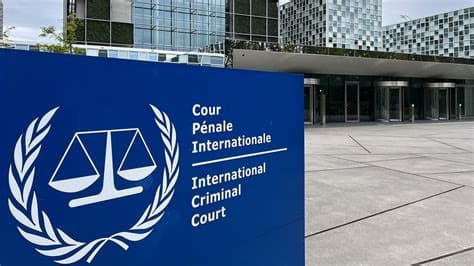
In the historic streets of Europe, far from the academic halls of Winnipeg, a former leader in legal education has found himself at the center of an international legal drama. Jonathan Black-Branch, the disbarred former dean of the University of Manitoba’s Faculty of Law, was arrested in France this week. The arrest marks a significant turn in a long-standing case involving allegations of fraud, as Canadian authorities seek his return to face charges at home. It is a sobering reminder that professional stature offers no shield against the reach of the law, and that justice often crosses borders with quiet determination.
The warrant for Black-Branch’s arrest was issued in March on a charge of fraud over $5,000. According to the Winnipeg Police Service, the charges stem from alleged financial misconduct that occurred years ago. For a man who once taught the intricacies of law and ethics, the situation presents a stark contrast between his past role and his present predicament. Reputation is fragile; accountability is enduring.
Black-Branch served as dean of the law faculty from 2013 to 2016, a period marked by both academic achievement and internal controversy. His subsequent disbarment by the Law Society of Manitoba added another layer of complexity to his professional legacy. The current arrest in France suggests that the legal consequences of his actions have continued to unfold long after he left the university. Past actions echo into the present.
The French authorities acted on an extradition request from Canada, highlighting the robust cooperation between nations in combating cross-border crime. Such international collaboration ensures that individuals cannot evade justice simply by leaving their home country. Global connectivity brings global responsibility. Law knows no boundaries.
For the University of Manitoba community, the news may bring mixed emotions. While the institution has moved forward under new leadership, the association with a former dean facing serious criminal charges remains a sensitive topic. Institutions must constantly navigate the balance between honoring their history and addressing the misconduct of former members. Integrity is a continuous practice.
Legal experts note that extradition proceedings can be lengthy and complex, involving multiple levels of judicial review in both countries. Black-Branch will likely have the opportunity to challenge the request in French courts before any transfer occurs. Due process is a fundamental right, even for those accused of serious crimes. Justice requires patience.
The case also serves as a cautionary tale for professionals in positions of trust. It underscores the importance of ethical conduct and financial transparency in all aspects of life. When trust is broken, the repercussions can be severe and long-lasting. Trust is the foundation of profession.
In the end, the arrest of Jonathan Black-Branch in France is a chapter in a broader story of legal accountability. As extradition proceedings begin, the focus shifts to the judicial systems of two nations working to ensure that justice is served. The outcome will depend on the rule of law. Truth seeks its course.
AI Image Disclaimer: The visual representations included here are AI-generated illustrations designed to depict international legal themes and European settings, not actual photographs of Jonathan Black-Branch, the arrest scene, or specific court documents.
Sources: CBC News Global News Winnipeg Free Press
Published by Banx Network. This article is part of the Banx decentralized media programme, powered by the BXE token on the XRP Ledger.