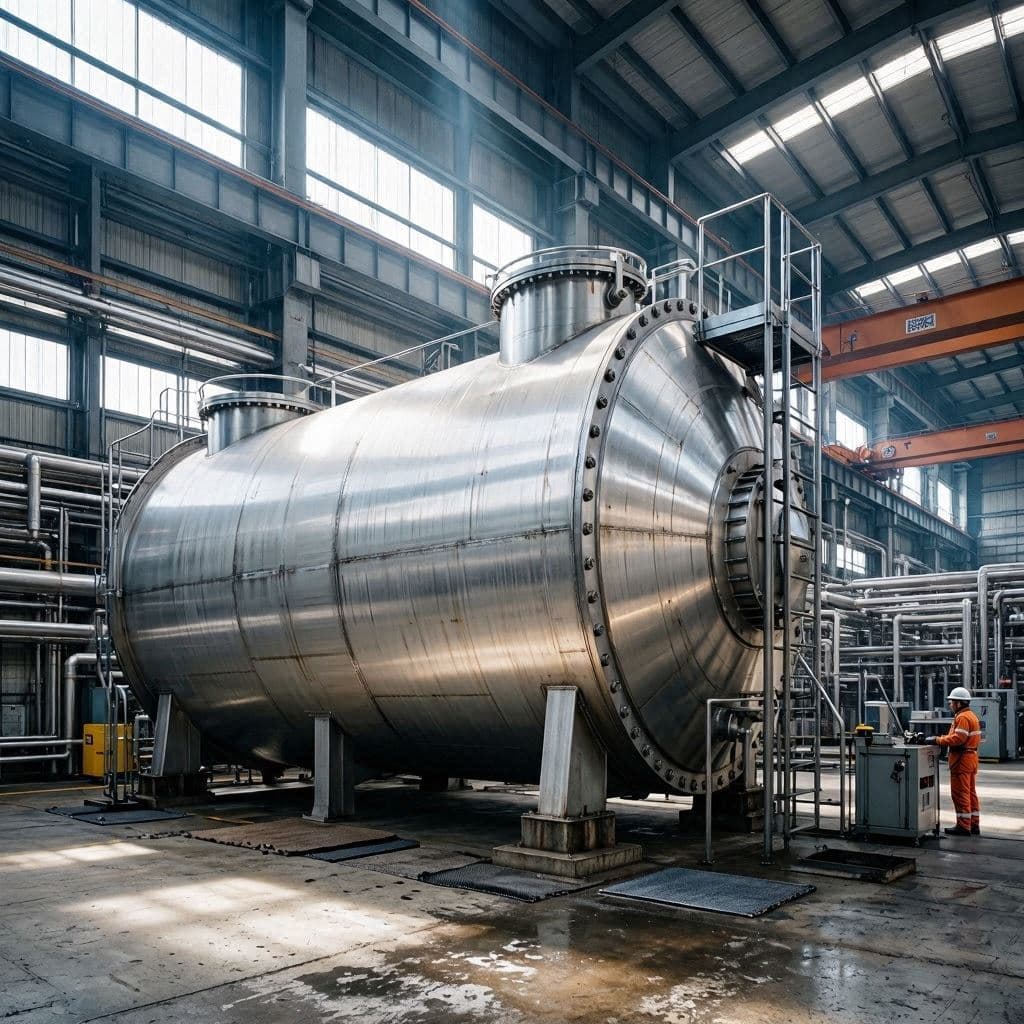
In the industrial heartland of Ontario, where the rhythm of manufacturing has long defined the region’s identity, a monumental piece of engineering is taking shape. A 606-ton steel vessel, stretching 98 feet in length, is being crafted with precision in a specialized factory. This massive component is not merely a structure; it is the heart of Canada’s first small modular reactor (SMR), a project that promises to transform the nation’s energy landscape. For the skilled workers who are welding and assembling this giant "steel can," it represents the culmination of decades of innovation and the dawn of a new era in nuclear power.
The creation of this vessel marks a pivotal moment, turning a conceptual design into a tangible reality. It is a testament to human ingenuity and the collaborative effort required to build the infrastructure of the future.
Body: The vessel, known as the reactor pressure vessel, is being manufactured by GE Hitachi Nuclear Energy at their facility in Ontario. It is designed to house the core of the BWRX-300 reactor, a next-generation SMR that offers enhanced safety features and greater efficiency compared to traditional nuclear plants. The sheer scale of the component underscores the complexity of nuclear engineering, where every weld and measurement must meet rigorous standards.
This specific factory is the only one on the continent currently equipped to produce such a large-scale SMR component. Its unique capabilities have made it a critical hub for the Darlington New Nuclear Project, which aims to deploy four of these reactors at the existing Darlington Nuclear Generating Station site. The project is a joint venture between Ontario Power Generation (OPG) and GE Hitachi, representing a significant investment in clean energy.
For the local community, the project brings both pride and economic opportunity. Skilled tradespeople, engineers, and technicians are working together to bring the vision to life. The manufacturing process involves advanced robotics and manual craftsmanship, blending modern technology with traditional expertise. Each step is monitored closely to ensure quality and safety.
The BWRX-300 reactor is designed to provide up to 300 megawatts of electricity, enough to power hundreds of thousands of homes. Unlike larger conventional reactors, SMRs are built in modules, allowing for faster construction and lower upfront costs. They also feature passive safety systems that do not require active intervention or external power to shut down safely.
Environmental advocates view SMRs as a crucial component of the transition to net-zero emissions. By providing reliable, carbon-free baseload power, they can complement renewable sources like wind and solar, which are intermittent. The Darlington project is seen as a model for future nuclear deployments across Canada and beyond.
However, the path to completion is not without challenges. Regulatory approvals, supply chain logistics, and public perception all play a role in the project’s success. OPG and its partners are engaged in ongoing dialogue with stakeholders to address concerns and demonstrate the safety and benefits of the technology.
As the steel vessel nears completion, anticipation builds for its installation. It will be transported to the Darlington site, where it will be lowered into the prepared foundation. This milestone will mark the transition from construction to assembly, bringing the reactor one step closer to operation.
The project serves as a reminder of the importance of domestic manufacturing capacity. By building key components locally, Canada is strengthening its industrial base and reducing reliance on foreign suppliers. It is a strategic move that supports both energy security and economic resilience.
Closing: The fabrication of the 606-ton steel vessel for Canada’s first SMR is a significant achievement in nuclear engineering. It highlights the potential of small modular reactors to contribute to a cleaner, more sustainable energy future.
AI Image Disclaimer: The visuals accompanying this article are AI-generated illustrations designed to reflect the scale and precision of advanced nuclear manufacturing.
Sources: Ontario Power Generation (OPG) GE Vernova World Nuclear News Canadian Nuclear Safety Commission
Published by Banx Network. This article is part of the Banx decentralized media programme, powered by the BXE token on the XRP Ledger.