In the soft corridors of power, where nations quietly adjust the levers of influence, the Tokyo skyline witnessed more than a handshake. On October 28, 2025, Donald Trump and Sanae Takaichi — newly-elected and Japan’s first woman prime minister — stood side by side and signed an agreement that they declared would usher in a “new golden age” for the United States–Japan alliance.
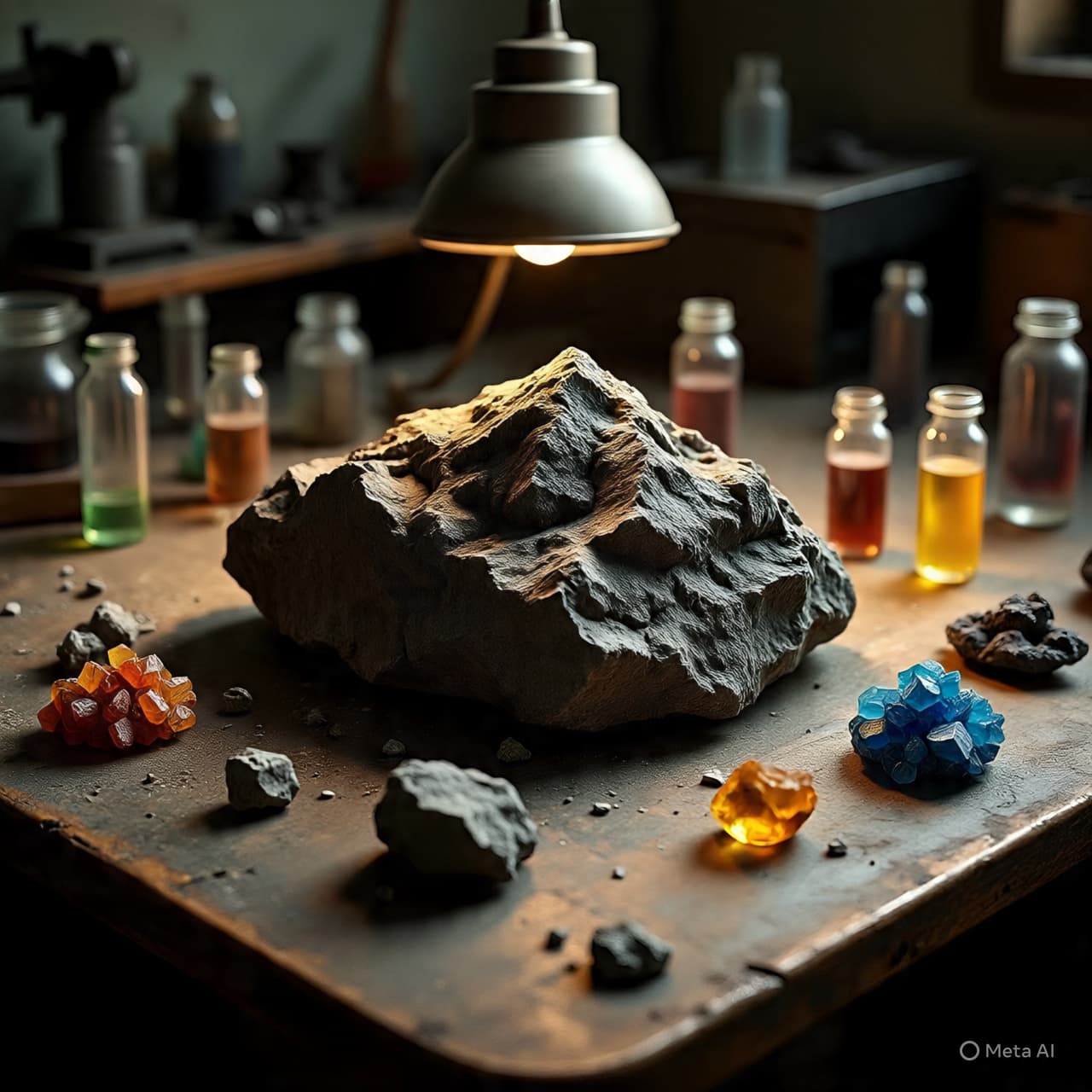
At its heart lies a strategic turn: the two countries committed to jointly securing the supply of rare earths and critical minerals — the raw materials that power electronics, electric vehicles, defense systems and green infrastructure. While China currently dominates processing of these materials, the deal signals a shared desire to diversify and insulate their industries and supply chains from disruption.
But this is not just about minerals. It is a pact with tone and ambition. Prime Minister Takaichi declared her aspiration that “both Japan and the United States will become stronger and also more prosperous.” President Trump echoed this, labelling Japan an “ally at the strongest level” and framing the agreement as part of a broader renaissance in U.S.–Japan relations.
AI image disclaimer: Images generated by AI may not depict real people, places or events with perfect accuracy.
Source : The guardian, Business Insider
Published by Banx Network. This article is part of the Banx decentralized media programme, powered by the BXE token on the XRP Ledger.