

Key Highlights
- Brazil has announced new policies to enhance protection for the Amazon rainforest.
- The initiative focuses on conservation, biodiversity, and sustainable land management.
- Increased environmental enforcement aims to combat illegal activities in vulnerable regions.
[New Conservation Policies]
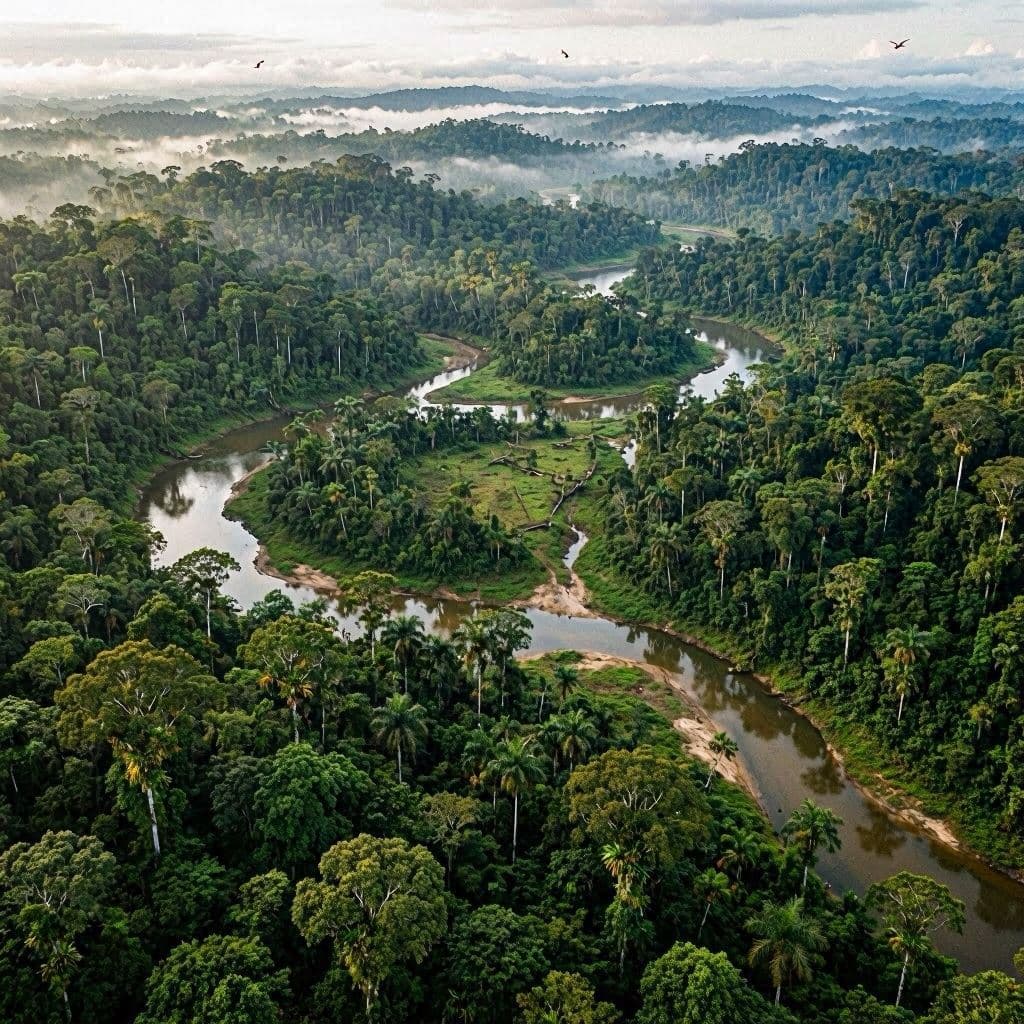
Brazil has taken significant steps to bolster the protection of the Amazon rainforest, one of the planet's most vital ecosystems. The government has introduced new policies aimed at enhancing conservation measures, improving environmental monitoring, and implementing better land management practices. These initiatives are designed to preserve the rich biodiversity of the Amazon while also addressing illegal environmental activities that threaten its integrity.
The Amazon rainforest is home to thousands of plant and animal species and plays a crucial role in regulating regional climate systems. Conservation experts emphasize that safeguarding this forest is not only essential for ecological balance but also for the indigenous communities whose livelihoods are intricately linked to the land. The new policies reflect a growing recognition of the need to protect both the environment and the people who depend on it.
To combat illegal logging and unauthorized land clearing, Brazilian authorities plan to enhance environmental enforcement across vulnerable regions of the Amazon. This will involve the use of satellite monitoring, field inspections, and improved coordination among various government agencies. These measures are expected to significantly improve the detection and prevention of illegal activities that have long plagued the region.
Environmental organizations have generally welcomed these efforts to strengthen protections for the Amazon. However, they caution that the successful implementation of these policies will require sustained financial resources, institutional cooperation, and a commitment to long-term policy consistency. Without these elements, the ambitious goals set forth by the government may fall short of their intended impact.
Ongoing research into the Amazon's role in carbon storage, freshwater systems, and ecological balance continues to underscore the forest's importance not just for Brazil, but for global environmental stability. Scientists are increasingly highlighting the need for urgent action to preserve this critical resource, as its health directly affects climate change and biodiversity worldwide.
Economic development remains a key topic in discussions surrounding the Amazon. Policymakers are exploring ways to balance conservation goals with the need for sustainable livelihoods for the communities living in and around the forest. This delicate balance is crucial for ensuring that local populations can thrive while also protecting the environment.
International cooperation plays a vital role in these conservation efforts. Brazil is engaging in partnerships with various countries and organizations to support research initiatives and secure funding for long-term preservation projects. These collaborations are essential for addressing the complex challenges facing the Amazon and ensuring its survival for future generations.
The newly announced policies mark another chapter in Brazil's ongoing management of the Amazon rainforest. Their long-term effectiveness will hinge on consistent enforcement, continued scientific research, and collaboration among governments, communities, and environmental institutions. As the world watches, the choices made today will undoubtedly shape the future of this irreplaceable ecosystem.
Published by Banx Network. This article is part of the Banx decentralized media programme, powered by the BXE token on the XRP Ledger.




