
Key Highlights
- Containment Status:The Stewart Trail Fire is currently 62% contained.
- Damage Report:At least 30 buildings have been destroyed, including homes and cabins.
- Community Impact:Residents face emotional and economic challenges as recovery begins.
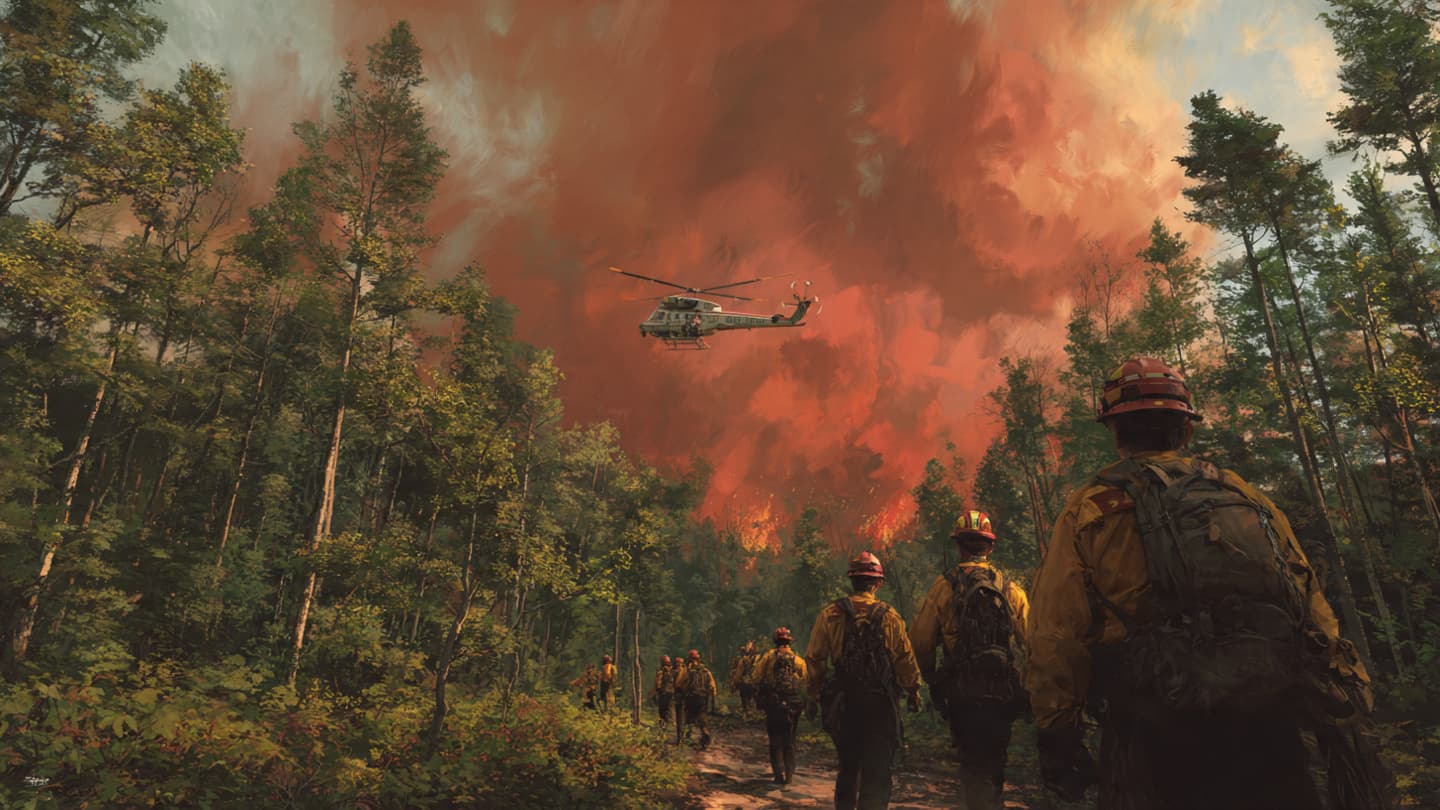
The Stewart Trail Fire, a significant wildfire affecting northern forest communities, has reached a containment level of 62%. Firefighters have battled the blaze for days, facing challenging terrain, shifting winds, and dry conditions that have complicated their efforts. Despite the progress made, officials warn that active fire risks remain in certain areas, necessitating continued vigilance.
As the fire continues to burn, at least 30 structures, including homes and cabins, have been confirmed damaged or destroyed. Residents who have been displaced by evacuation orders are closely monitoring updates from emergency services, which are assessing property losses across the affected zones. The emotional toll on these communities is profound, as many are closely tied to the natural landscapes that surround them.
Wildfires in northern regions can spread rapidly, particularly during periods of low humidity and elevated temperatures. Environmental factors such as dry vegetation and wind patterns significantly influence the intensity and unpredictability of fire behavior. The Stewart Trail Fire exemplifies these challenges, as firefighters work tirelessly to contain the blaze while also preparing for potential flare-ups.
Emergency responders from various agencies have coordinated their firefighting efforts, utilizing aircraft, heavy equipment, and ground crews. These operations require extensive logistical support, with firefighters often working long shifts under hazardous conditions. The collaboration among agencies highlights the urgency and complexity of wildfire management in such challenging environments.
For many residents, the fire represents more than just a physical disaster. The emotional and economic strain on communities that rely on forests, lakes, and seasonal tourism can linger long after the flames are extinguished. As recovery efforts begin, residents are urged to follow official safety guidance while assessing the damage and planning for the future.
Climate researchers are increasingly focused on how warmer temperatures and prolonged dry periods may be altering wildfire patterns across North America. While individual fires are influenced by multiple factors, the broader environmental trends are under continuous scrutiny. Understanding these patterns is crucial for developing effective strategies to mitigate the impact of future wildfires.
Authorities have stated that containment efforts will persist until all remaining hotspots are fully secured. As the situation evolves, the resilience of these forest communities will be tested, but their determination to recover remains strong.
Published by Banx Network. This article is part of the Banx decentralized media programme, powered by the BXE token on the XRP Ledger.



