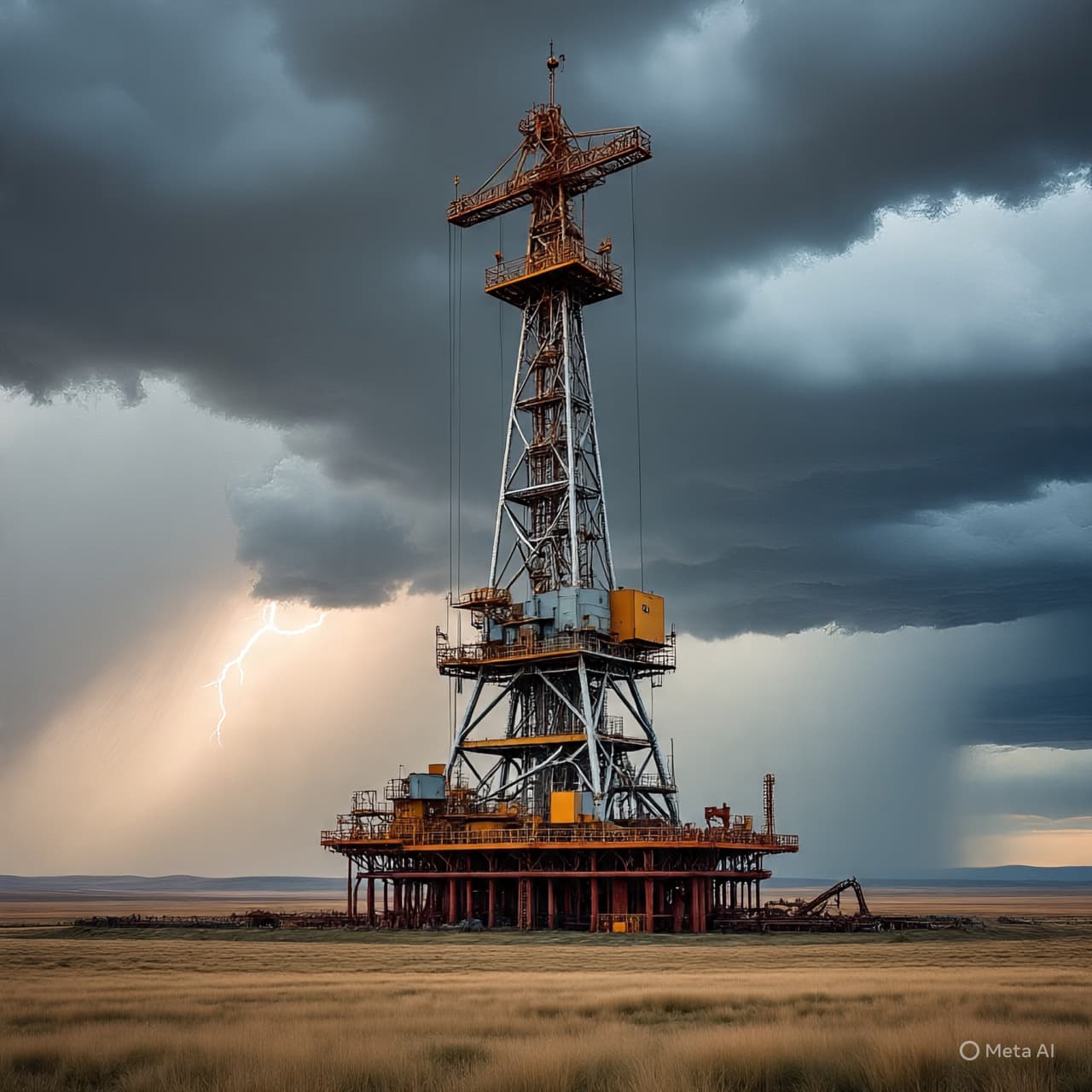
Energy forecasts are not mere numbers — they are signposts of national ambition, offering a glimpse of how countries plan to balance growth, markets, and global demand. Kazakhstan, long seen as a pivotal energy supplier in Central Asia, is sketching its path forward with new projections.
Kazakhstan’s Energy Minister announced that the country’s oil output is expected to reach around 90 million tons in 2026. The estimate reflects steady production levels in the near term, with major fields such as Tengiz, Kashagan, and Karachaganak playing central roles.
The projection comes at a time when global markets are navigating both price volatility and shifting demand patterns, especially as countries weigh energy security against transition to cleaner sources. Officials in Astana highlighted the importance of maintaining reliable supply lines while continuing investments in modern infrastructure.
By aligning output forecasts with market stability, Kazakhstan aims to reassure both domestic stakeholders and international partners. The balance is delicate: meeting global oil needs while gradually positioning for a more diversified energy future.
In the end, the projection of 90 million tons is more than a statistic — it is a signal of continuity. For Kazakhstan, it reflects a pragmatic approach to remain a dependable energy partner, while leaving space to adapt to the uncertainties ahead.
This article is based on reporting from Reuters, Bloomberg, and Interfax-Kazakhstan.
Images in this article are AI-generated concepts and may not reflect real-world locations or details.
Published by Banx Network. This article is part of the Banx decentralized media programme, powered by the BXE token on the XRP Ledger.