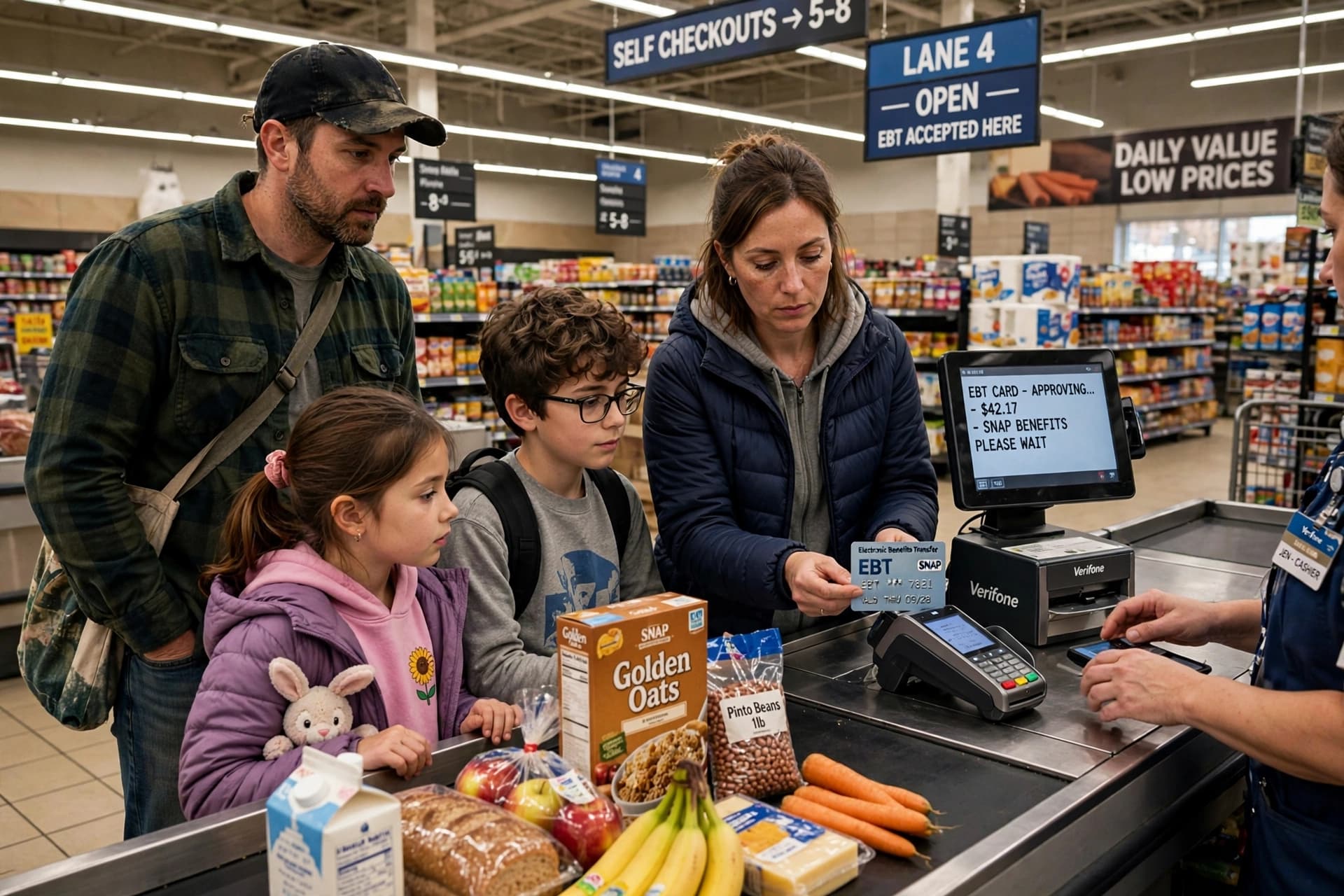
For millions of American households, October 1 is more than the beginning of a new month. It is also the annual date when federal food-assistance figures are adjusted, quietly changing the amount some families can receive at the grocery store. This year, however, the adjustment arrives alongside broader changes to SNAP eligibility and work requirements, making the new rules more significant than a simple increase in monthly benefits.
For fiscal year 2027, the maximum SNAP benefit in the 48 contiguous states and Washington, D.C., rises from $298 to $306 for a one-person household. For a family of four, the maximum increases from $994 to $1,023. Actual payments are calculated according to household circumstances, including income, household size and allowable expenses, so many recipients will receive less than the maximum amount.
The updated figures are part of the federal government's annual cost-of-living adjustment. The new income limits also take effect October 1. For example, the gross monthly income limit for a four-person household in the contiguous states and Washington, D.C., is $3,575, while the net monthly income limit is $2,750. Alaska and Hawaii use different figures.
But the benefit increase is only one piece of the story. Changes created by the 2025 federal budget law are also altering who must satisfy SNAP work requirements. Federal guidance says more adults can fall under the rules, with eligible individuals generally required to work, participate in a work program or perform qualifying activities for at least 80 hours a month unless they meet an exemption.
The rules surrounding exemptions have also changed. Federal and state agencies have been updating their procedures to account for changes affecting veterans, people experiencing homelessness, former foster youth and other groups that previously received certain automatic exemptions. States are responsible for implementing the federal requirements and determining individual eligibility.
Immigration status is another area affected by the federal law. USDA says the new legislation changes SNAP eligibility for some noncitizens, while state agencies are providing more specific guidance to applicants and current recipients. The exact effect therefore depends on an individual's immigration category as well as the other SNAP eligibility requirements.
The changes also arrive as states take on additional administrative responsibilities. The National Conference of State Legislatures says states have been adjusting their SNAP systems and procedures for expanded work requirements, eligibility restrictions and changes in federal funding responsibilities. Those changes may not appear immediately on every household's electronic benefit account because eligibility is generally reviewed through the state's application and recertification process.
For recipients, the most practical point is that a higher maximum benefit does not automatically mean every household will see the same increase. Income, household composition, deductions and eligibility status all remain important. Anyone receiving SNAP who receives a notice from a state agency should review it carefully, particularly if it concerns work requirements or continued eligibility.
The October adjustment therefore brings two different realities into the same month: slightly higher maximum food benefits for eligible households, alongside federal changes that may make eligibility more complicated for some recipients. The effect on an individual wallet will ultimately depend on that household's circumstances and the way its state implements the new rules.
AI Image Disclaimer: Any accompanying image is AI-generated for editorial illustration and does not depict an actual SNAP recipient or government transaction.
Sources: Associated Press WBAL U.S. Department of Agriculture National Conference of State Legislatures North Carolina Department of Health and Human Services
Published by Banx Network. This article is part of the Banx decentralized media programme, powered by the BXE token on the XRP Ledger.