
Key Highlights
- Court Verdict:French court finds Air France and Airbus guilty in 2009 crash.
- Victim's Family: Brazilian father expresses feelings of incomplete justice.
- Ongoing Grief:Families continue to seek closure years after the tragedy.
In the long shadow of aviation tragedies, court rulings often arrive like distant thunder—heard clearly, yet not always felt as closure. For families who have carried grief across years and continents, each legal milestone becomes part of an ongoing search for meaning rather than an ending in itself.
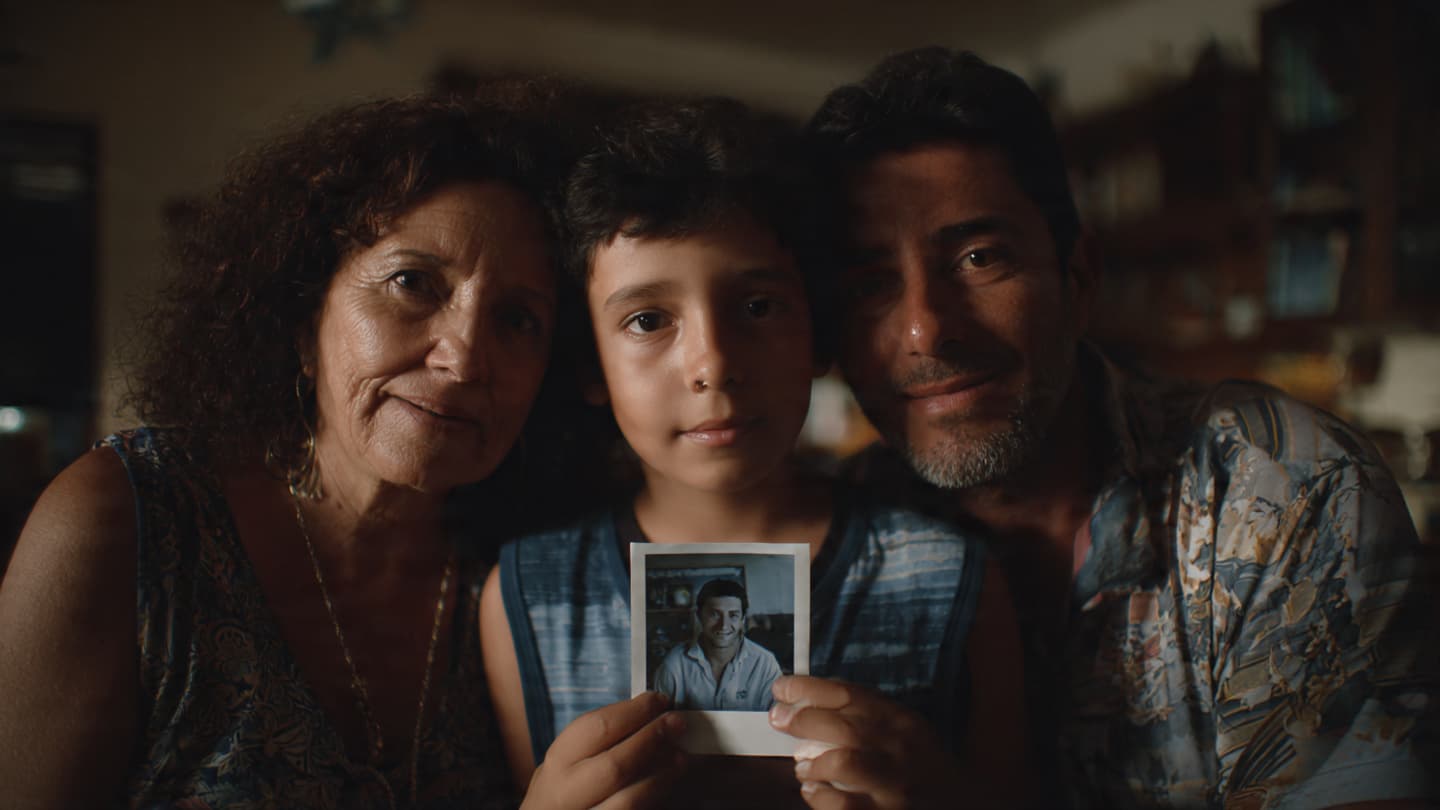
Following the French court’s guilty verdict involving Air France and Airbus in connection with the 2009 Rio–Paris crash, one Brazilian father of a victim expressed that justice still feels incomplete. His reflections were reported by outlets such as Reuters, Associated Press, and Brazilian media covering the aftermath of the long-running case.
The crash, which claimed 228 lives, remains one of the most studied aviation disasters in modern history. The flight disappeared over the Atlantic Ocean during its journey from Rio de Janeiro to Paris, leading to extensive search operations and a prolonged investigation that eventually recovered key flight data from the ocean floor. This tragic event has left an indelible mark on the families of the victims, who continue to grapple with their loss.
Over the years, legal proceedings in France have examined multiple dimensions of responsibility, including technical systems, pilot training, and operational decision-making. The case has drawn sustained attention due to its complexity and the difficulty of assigning accountability in a highly automated aviation environment. The verdict, while significant, has not provided the closure that many families had hoped for.
For many families, however, legal terminology and institutional processes exist alongside deeply personal absence. The father’s statement reflects a sentiment shared by others affected by the crash—that while court decisions may address legal responsibility, emotional resolution remains far more elusive. The struggle for justice is not just about legal outcomes; it is also about the personal journeys of those left behind.
Brazilian relatives of victims have participated in memorial events and legal actions over the years, often describing the passage of time as both a burden and a quiet continuation of remembrance. The international nature of the flight has also meant that families are spread across multiple countries, each carrying grief in different cultural and legal contexts. This diversity of experience adds layers to their collective mourning and pursuit of justice.
Aviation experts note that such cases often leave layered interpretations of justice, where legal accountability, technical findings, and human loss do not always align in a single narrative. The Airbus–Air France case has frequently been referenced in broader discussions about how modern aviation systems are judged after catastrophic failure. The complexities of these discussions highlight the ongoing challenges in achieving true accountability in the aviation industry.
As reactions continue to unfold, families like the Brazilian father remain central to the story—not only as witnesses to loss, but as voices reminding the world that legal outcomes and personal closure do not always arrive together. Their experiences underscore the need for a more compassionate approach to justice that acknowledges the profound human impact of such tragedies.
Published by Banx Network. This article is part of the Banx decentralized media programme, powered by the BXE token on the XRP Ledger.



