
Key Highlights
- Pope Francis arrived in Cameroon, marking a significant religious visit.
- A temporary ceasefire was announced by separatist groups during his stay.
- The atmosphere in Yaoundé reflects both hope and ongoing tension.
Pope Francis's recent visit to Cameroon has drawn attention not only for its religious significance but also for its timing amid a fragile ceasefire in the country’s conflict-ridden regions. As the Pope stepped onto Cameroonian soil, the air in Yaoundé was thick with anticipation, a palpable mix of faith and the weight of unresolved tensions. The visit comes at a crucial moment, as separatist groups in the English-speaking regions of the northwest and southwest announced a three-day pause in fighting, a gesture that resonates deeply in a nation grappling with years of unrest.
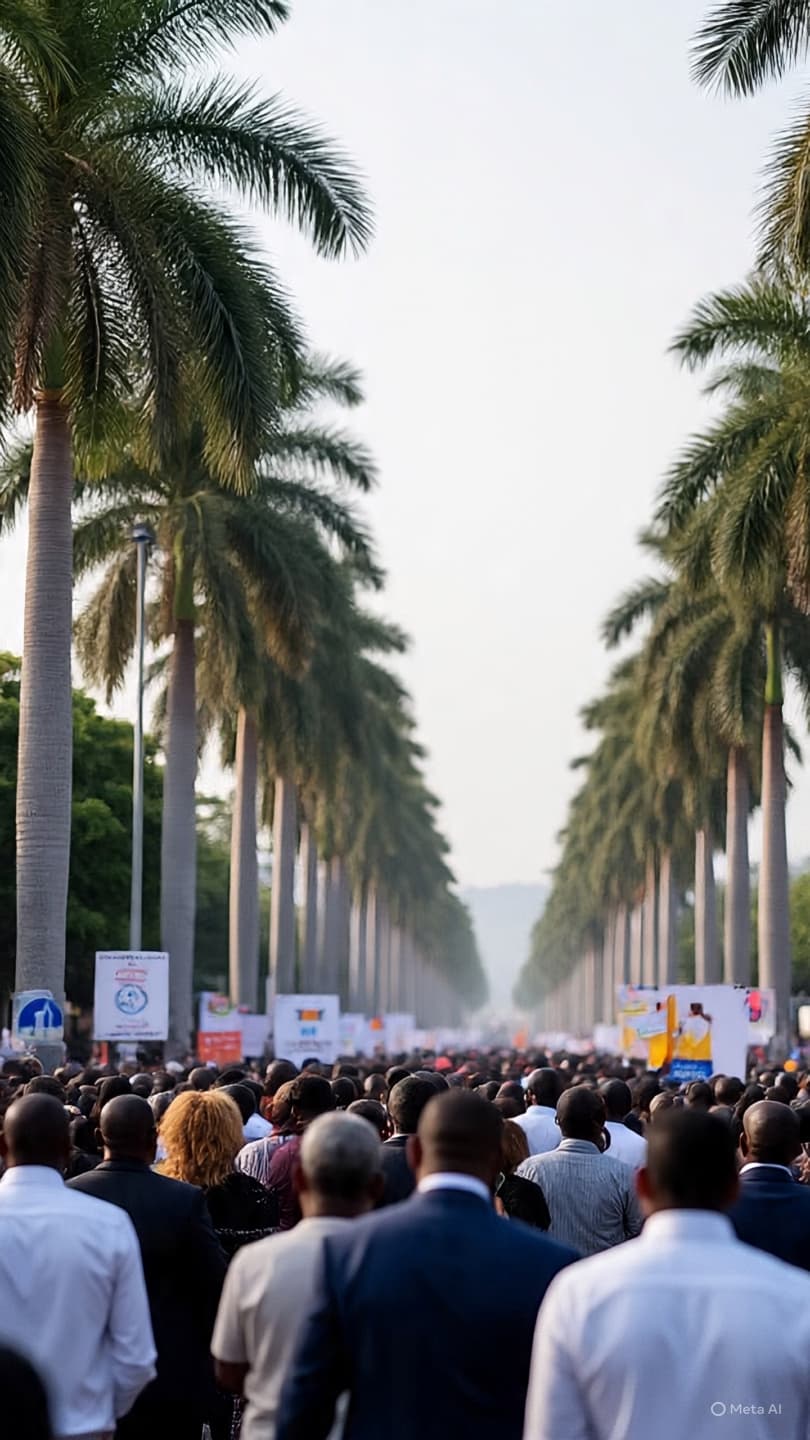
Since 2017, Cameroon has faced escalating violence due to clashes between government forces and armed separatists advocating for independence in what they call Ambazonia. This conflict has led to significant displacement, with villages frequently emptied and schools shuttered. The announcement of a ceasefire, while temporary, has provided a brief respite for many, allowing communities to breathe a sigh of relief, albeit cautiously. The streets of Yaoundé, lined with palm trees and bustling with life, reflected this moment of quiet expectancy, as citizens gathered to witness the Pope's arrival.
Preparations for the papal visit were extensive, blending ceremonial elements with heightened security measures. Church bells rang out across the city, signaling not just the arrival of a religious leader but also the hope for dialogue and peace. The Vatican has historically used such visits to foster conversations around reconciliation, even when tangible solutions remain elusive. For many Cameroonians, the Pope's presence serves as a reminder of the potential for healing and unity in a country divided by conflict.
In the outskirts of the capital, the effects of the ceasefire were felt more intimately. Markets began to reopen, and conversations resumed in doorways, signaling a tentative return to normalcy. While the ceasefire does not promise an end to the conflict, it offers a glimpse into what life could be like without the constant threat of violence. The atmosphere was one of cautious optimism, as residents tested the waters of peace, hoping for a future where such pauses could become permanent.
Observers have noted that moments like these, when international figures visit conflict zones, often bring a spotlight to areas that are frequently overlooked. The Pope's visit, while rooted in faith, also serves to draw attention to the ongoing struggles faced by many in Cameroon. His presence is a powerful symbol of hope, yet it also underscores the complexities of the situation, where peace remains fragile and the path forward uncertain.
As the Pope continues his visit, the three-day ceasefire serves as a reminder of the delicate balance between hope and reality. The sounds of Yaoundé—the rhythm of footsteps, the murmur of prayers—echo a subtle shift in the city's atmosphere. Whether this pause in violence will extend beyond its intended limits remains to be seen, but for now, it represents a moment of reflection and possibility amidst a backdrop of long-standing unrest.
In this intersection of faith and conflict, the visit of Pope Francis stands as a beacon of hope, illuminating the potential for dialogue and understanding in a region that has endured much. As Cameroonians navigate this fragile peace, the convergence of the papal visit and the ceasefire offers a unique opportunity to imagine a future free from the shadows of violence.
Published by Banx Network. This article is part of the Banx decentralized media programme, powered by the BXE token on the XRP Ledger.



