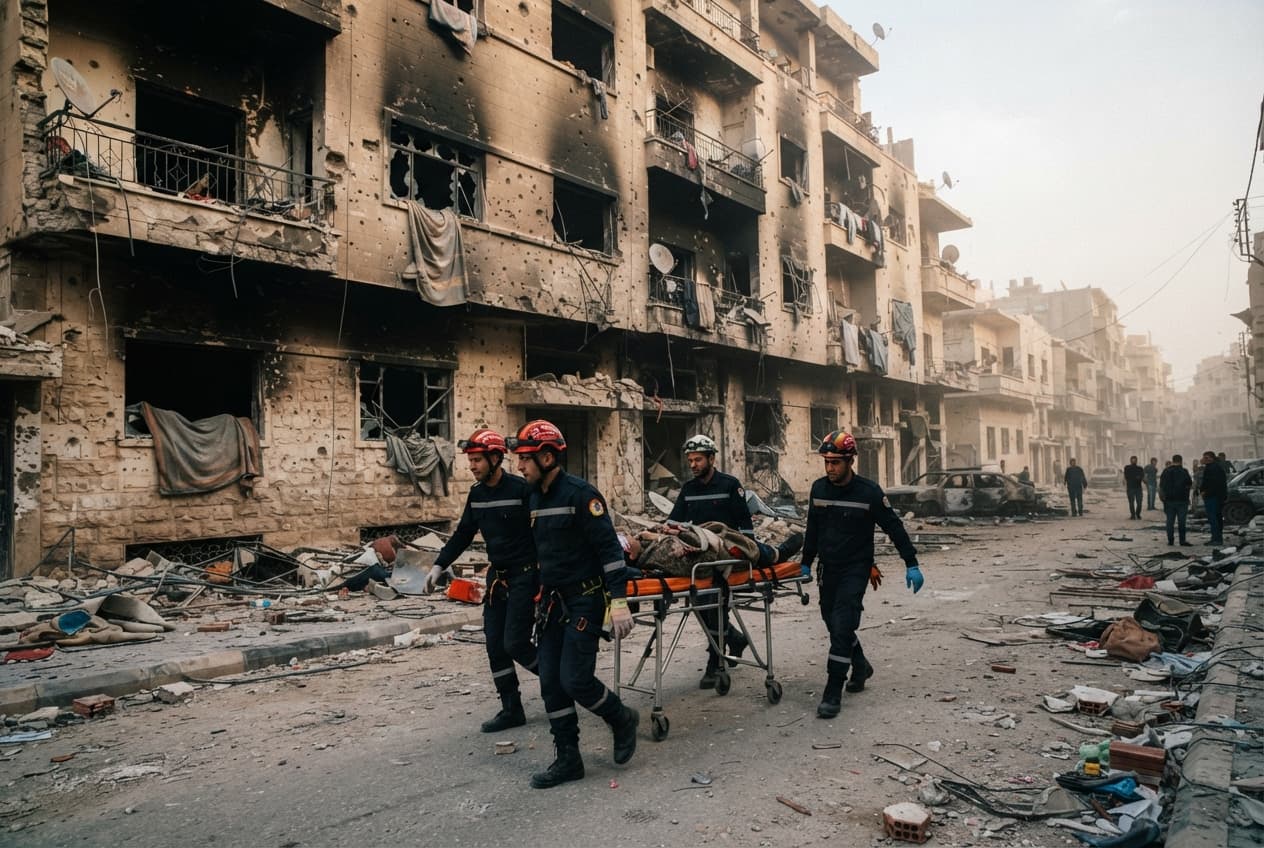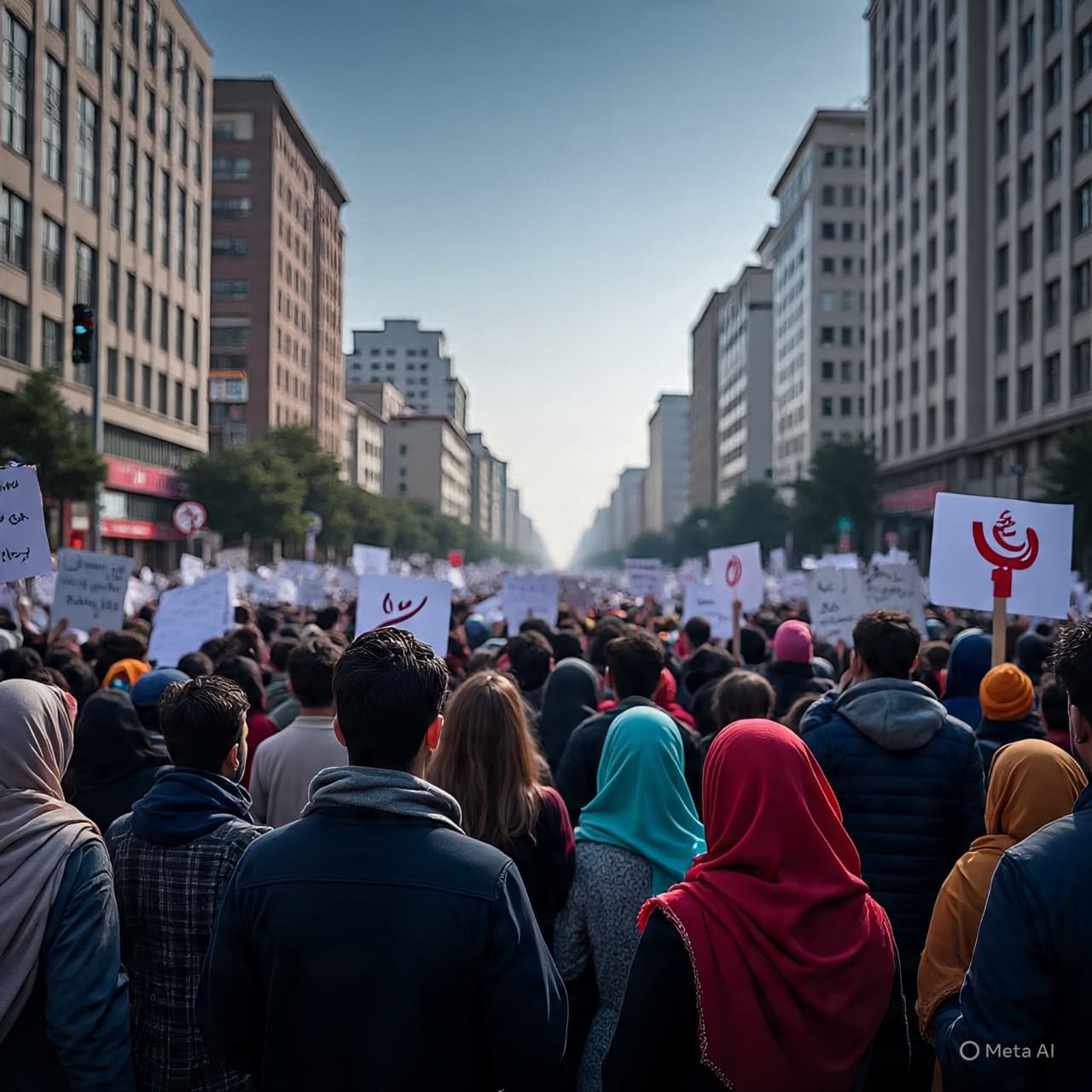
In the unfolding winter of 2026, the streets of Tehran and other Iranian cities have become a tapestry woven with pressure and unrest, each thread carrying the weight of economic hardship, social longing, and political strain. When the echo of footsteps on city pavements is punctuated by chants for change, a nation’s heartbeat becomes audible, its rhythms speaking in language older than any official communiqué. Now, under the glare of international scrutiny and domestic upheaval, Iran finds itself at an intersection where the aspirations of its people and the shadow of external warnings converge — as if two winds from different directions press against the same tree, bending its branches toward an uncertain horizon.
Across more than a week of unrest, marketplaces once bustling with daily life have quieted, bazaars shuttered in protest against rising prices and a currency spiraling toward historic lows. The rial’s collapse has been more than a financial indicator; it has become a symbol of frustration felt deeply by shopkeepers, university students, and families alike. What began with economic grievances has rippled outward into broader critiques of governance and societal constriction — chants once focused upon bread are now infused with calls for dignity and reform.
At the same time, the voice of former U.S. President Donald Trump — resonant on international platforms — has added a new timbre to the region’s tense atmosphere. Through statements warning of potential U.S. action should security forces escalate violence against civilians, the specter of foreign intervention has become part of the discourse both within Iran and beyond. Such pronouncements have been met with fierce condemnations from Tehran’s leadership, which asserts its sovereignty and rejects external interference in its internal affairs.
Yet, the question of whether the Islamic Republic teeters on its “last legs” is not one that yields easily to simple answers. The regime — anchored in institutions such as the Islamic Revolutionary Guard Corps and bolstered by long-standing networks of political and clerical influence — remains structurally resilient even amid dissent. Its foundations, shaped over decades, have weathered past waves of discontent and international pressure, and its apparatus of authority persists with both overt and subtle mechanisms for maintaining order.
Nevertheless, the current era of unrest differs in texture from earlier moments. The convergence of visible public dissatisfaction, economic instability, and external political signaling has created a pressure cooker of expectation and uncertainty. Governments seeking stability, human rights organizations tracking casualties, and citizens on the streets all contribute to a mosaic of voices demanding to be heard. In many ways, this confluence underscores the fragility beneath the regime’s surface, even as it deploys its instruments of control.
Whether these winds will ultimately unravel the fabric of governance, or simply reshape its exterior, is something that will only become clear over time. For now, Iran is in a moment of transformation — perhaps uneasy, perhaps precarious — where the old certainties are questioned and the future feels suspended between possibility and persistence.
As observers document developments with care, the narrative remains one of a nation navigating both internal longing and external pressure, its story not yet done but deeply in motion.
AI Image Disclaimer Visuals are created with AI tools and are not real photographs.
Sources Reuters AP News ABC News The Conversation (analysis) Various news reporting on protests and international reactions
Published by Banx Network. This article is part of the Banx decentralized media programme, powered by the BXE token on the XRP Ledger.