
Key Highlights
- Initiative:BGN proposes free meal distribution in conflict-affected areas.
- Objective:Enhance food security and promote social cohesion.
- Challenges:Concerns over sustainability and resource allocation.
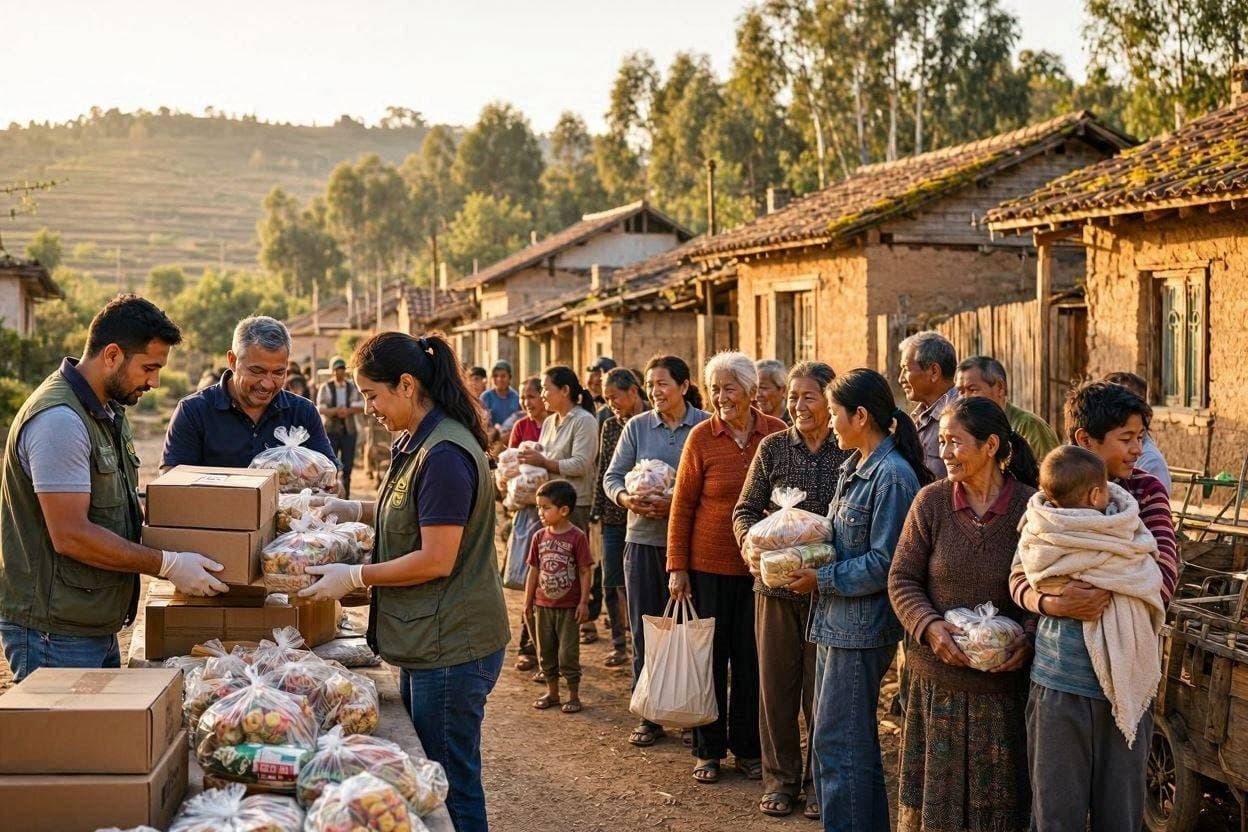
The Border Management Agency (BGN) in Indonesia is exploring a significant initiative aimed at distributing free meals in conflict-affected border regions. This proposal is not merely a humanitarian gesture; it is a strategic move to address the intertwined issues of food security and national stability. In areas like Papua and Kalimantan, where isolation and poverty are prevalent, access to nutritious food is often limited, exacerbating tensions and unrest.
The BGN's initiative seeks to alleviate immediate food shortages while fostering goodwill among local communities. By providing regular meals, the agency aims to reduce economic pressures on families, thereby decreasing their vulnerability to exploitation by extremist groups or criminal networks. In this context, food becomes a vital tool for building trust between the government and its citizens, particularly in remote borderlands where such connections are often tenuous.
However, the proposal has not been without its critics. Concerns have been raised regarding the sustainability of the program, as distributing free meals requires substantial resources and meticulous planning. Critics argue that without careful implementation, such initiatives could lead to dependency or corruption. Furthermore, there is skepticism about whether short-term aid can effectively address the deeper, systemic issues that fuel conflict, such as inadequate infrastructure, lack of education, and limited economic opportunities.
Despite these challenges, the BGN remains committed to integrating border regions into the national framework. By demonstrating tangible support through food distribution, the agency hopes to reinforce national identity and loyalty among residents. This initiative aligns with broader governmental efforts to develop these areas through infrastructure improvements and social programs, aiming to create a more cohesive national community.
Community leaders in the targeted border areas have expressed cautious optimism regarding the initiative. They welcome any efforts to improve living conditions but stress the importance of transparency and local involvement in the program's implementation. Collaboration between the BGN and local stakeholders is viewed as essential for the initiative's success, ensuring that it effectively meets the needs of the community.
The pilot phases of the program will focus on the most vulnerable populations, including children and the elderly. To measure the program's impact on health, social stability, and community sentiment, monitoring and evaluation mechanisms will be established. These insights will be crucial for guiding future expansions or adjustments to the strategy.
The BGN's consideration of free meal distribution in conflict regions underscores the complex relationship between humanitarian aid and national security. As the agency deliberates its options, the overarching goal remains clear: to foster a stable and prosperous borderland where every citizen feels valued and supported.
Published by Banx Network. This article is part of the Banx decentralized media programme, powered by the BXE token on the XRP Ledger.



