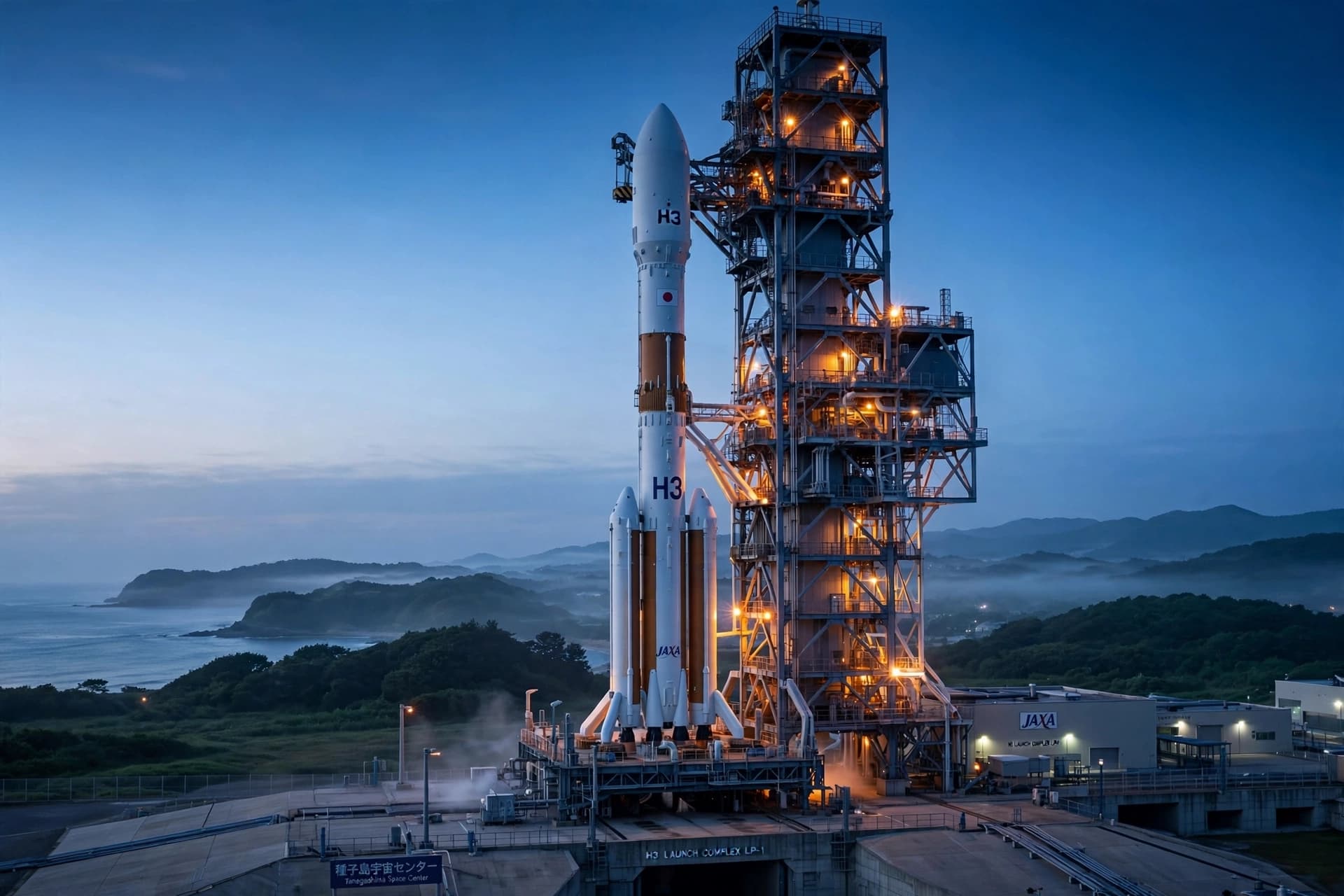
As NASA’s Artemis II mission prepares to take astronauts around the Moon, it will carry more than four explorers and complex machinery — it will also carry living science in miniature form. Amid the anticipation of humanity’s next deep‑space journey, researchers are sending along tiny biological systems known as “avatars” that promise to reveal how the body responds to the harsh environment beyond Earth’s protective shield.
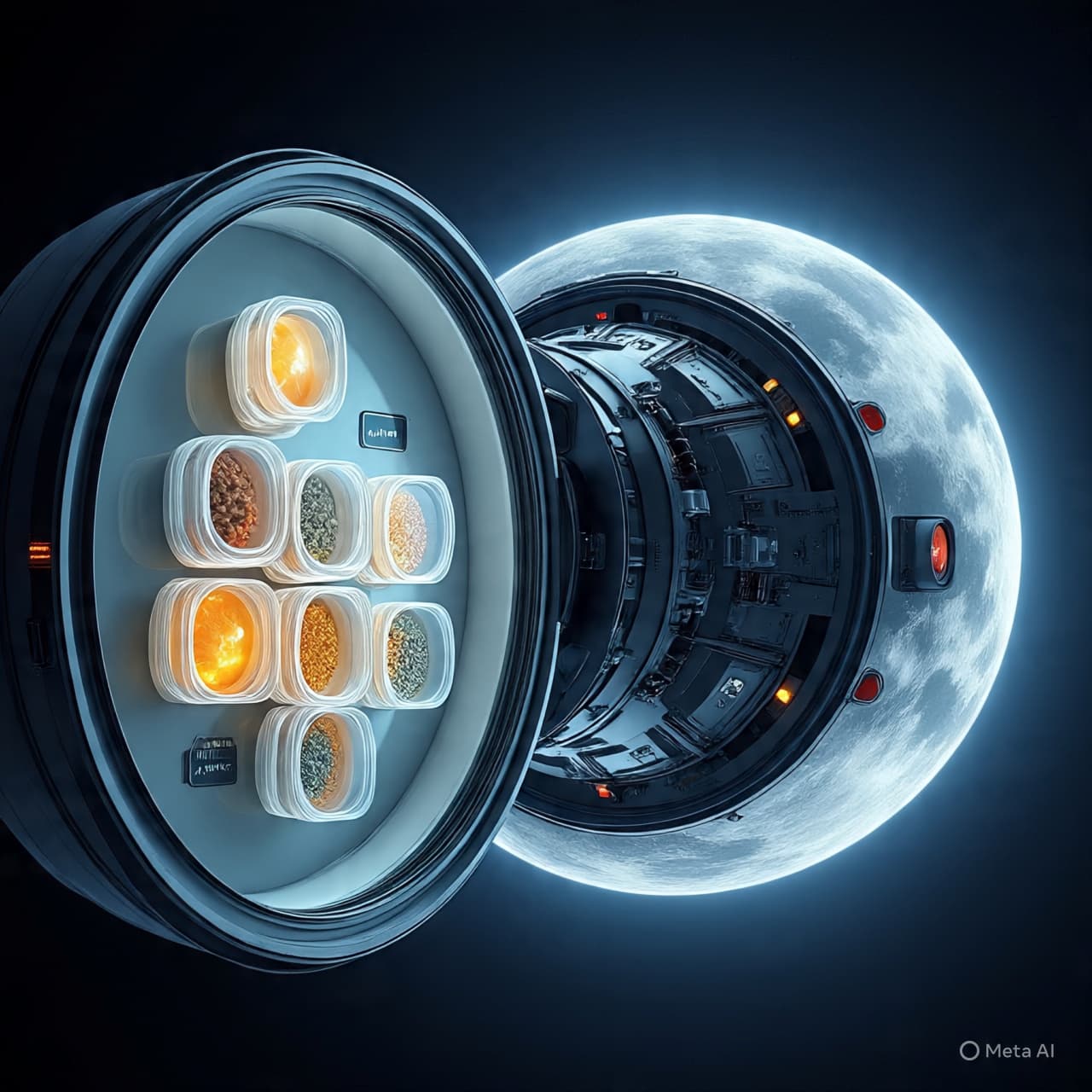
These avatars aren’t science fiction figures or holograms. Instead, they are organ‑on‑a‑chip devices — microscopic laboratory systems about the size of a USB stick that contain living human cells. NASA’s AVATAR (A Virtual Astronaut Tissue Analog Response) experiment will carry chips with lab‑grown tissues derived from the bone marrow of the Artemis II astronauts themselves.
Bone marrow is central to the production of blood cells, and its health is especially sensitive to spaceflight conditions such as radiation and microgravity. In low Earth orbit — such as on the International Space Station — Earth’s magnetic field still provides some shielding. But on a lunar‑distance mission like Artemis II, those protections fade, and exposure to cosmic radiation intensifies. By flying these living tissue chips alongside the crew, scientists hope to observe how such stressors may affect human biology directly.
During the mission’s roughly ten‑day loop around the Moon, the organ chips will travel inside the Orion spacecraft, experiencing the same environment as the crew but without the risks that direct sampling would pose. Once they return to Earth, researchers will analyse cellular changes to see how factors like radiation and weightlessness affected them. By comparing these results with pre‑flight and ground‑based samples, scientists can begin to pinpoint risks and refine countermeasures for future missions.
These avatar chips represent a new frontier in space health research because they allow individualised biological insights that were previously difficult or impossible to obtain in deep space. Instead of relying solely on animal studies or indirect monitoring, researchers are essentially flying tiny pieces of human biology to gather data that could inform how to protect astronauts on longer journeys — toward the Moon’s surface and eventually Mars.
This biological experiment underscores a broader shift in how space agencies prepare for long‑duration deep space missions. By pairing advanced biomedical technologies with historic exploration goals, missions like Artemis II not only take humans further into space than ever before but also deepen our scientific understanding of what it will take to keep them healthy along the way.
AI Image Disclaimer “Visuals are created with AI tools and are not real photographs.”
Sources (Based on Source Check Above) NASA Science BBC Sky at Night Magazine ScienceAlert Space.com Ireste.fr (French scientific coverage)
Published by Banx Network. This article is part of the Banx decentralized media programme, powered by the BXE token on the XRP Ledger.