In the vast, rugged expanse of Alaska, the airplane is not merely a vehicle but a lifeline, connecting remote communities to essential supplies and services. When the government seizes such a vital tool, the consequences ripple far beyond the individual owner, touching the very fabric of rural life. The Supreme Court’s decision to hear the case of an Alaskan bush pilot whose plane was confiscated for transporting a six-pack of beer highlights the tension between federal enforcement and the practical realities of life in the Last Frontier. It is a story that asks us to consider proportionality in justice and the unique challenges of governing a land so distinct from the contiguous United States.
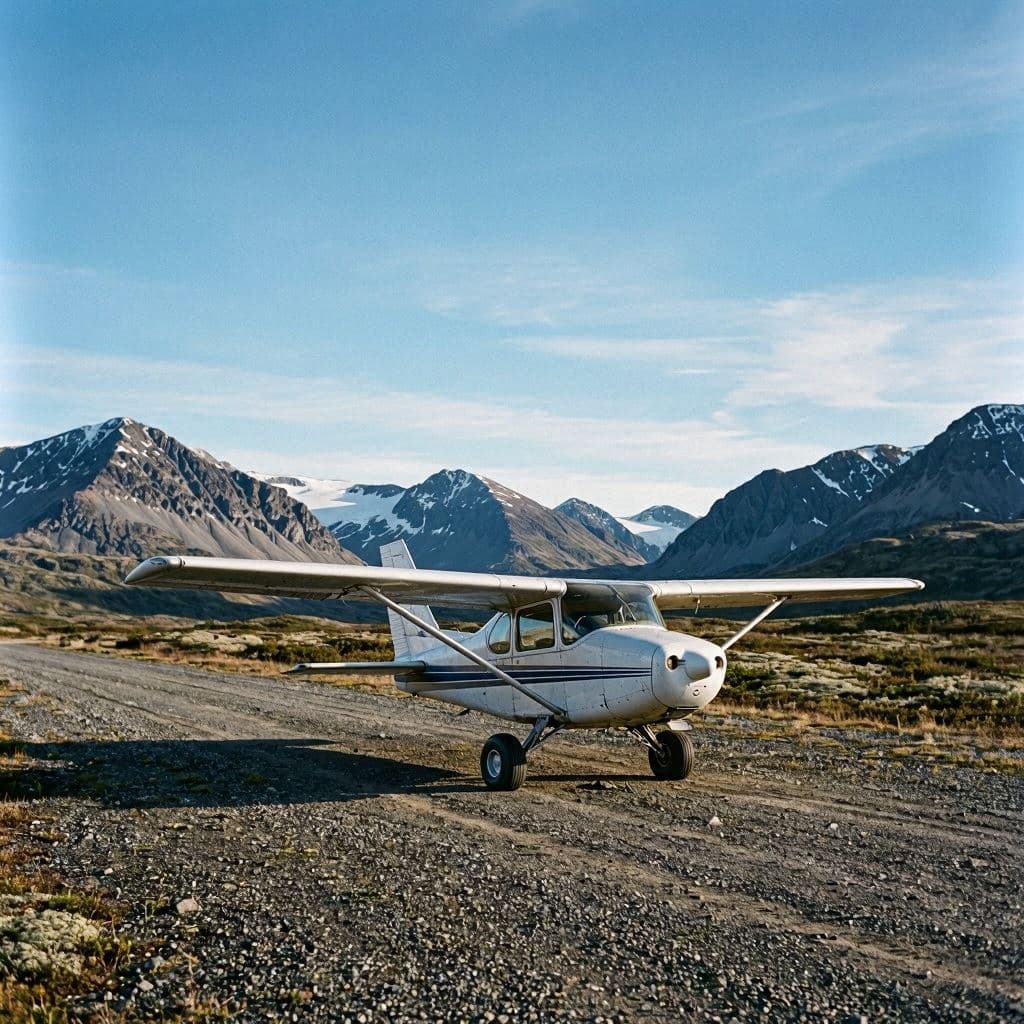
Body: The case centers on James D. Cox, a pilot who was found to have transported alcohol in violation of local regulations in a dry village. Under federal civil forfeiture laws, the government seized his aircraft, a Cessna 180, which represented not just a significant financial asset but his primary means of livelihood. For many in Alaska, where roads are scarce and distances are vast, losing a plane is akin to losing one’s car, home, and job all at once. The severity of the penalty relative to the infraction has drawn attention from legal scholars and civil liberties advocates alike.
Civil forfeiture has long been a controversial tool, allowing law enforcement to seize property suspected of being involved in criminal activity without necessarily convicting the owner. Critics argue that it can lead to abuses, particularly when the value of the seized property far exceeds the gravity of the offense. In Cox’s case, the disparity between a six-pack of beer and a $70,000 aircraft has become a focal point for those seeking reform of forfeiture laws. The Supreme Court’s involvement signals a potential reevaluation of how these powers are applied in extreme cases.
Supporters of forfeiture argue that it is a necessary mechanism for combating crime and disrupting illegal activities, including smuggling. However, in remote areas where cultural norms and legal frameworks may differ from urban centers, the application of strict federal standards can feel disconnected from local reality. The case raises questions about whether the law accounts for the contextual nuances of life in Alaska, where alcohol restrictions are often tied to community health and safety concerns rather than mere prohibition.
The legal arguments before the Court will likely focus on the Eighth Amendment’s Excessive Fines Clause, which prohibits punishments that are grossly disproportionate to the offense. Previous rulings have suggested that forfeitures can constitute fines if they are punitive in nature. Determining whether the seizure of Cox’s plane was punitive or remedial will be key to the outcome. The decision could set a precedent for how forfeiture is handled in cases involving essential tools of trade in rural America.
Beyond the legal technicalities, the human element of the story resonates deeply. Cox’s ability to provide for his family and serve his community was severely impacted by the seizure. For many Alaskans, this case is not just about one pilot but about the broader relationship between federal authority and local autonomy. It reflects a desire for a justice system that is not only rigorous but also fair and sensitive to the circumstances of those it affects.
As the Court prepares to hear arguments, the nation watches with interest. The outcome could reshape the landscape of civil forfeiture, potentially limiting its use in cases where the penalty is clearly disproportionate. For Alaska, it is a reminder of the unique legal and logistical challenges faced by its residents, who often navigate a complex web of federal, state, and tribal regulations.
Closing: The Supreme Court’s review of this case offers an opportunity to clarify the boundaries of civil forfeiture. Whether the justices rule in favor of the pilot or uphold the seizure, the decision will have lasting implications for property rights and law enforcement practices. It is a testament to the enduring importance of ensuring that justice is both blind and balanced.
AI Image Disclaimer: Visuals in this piece are artificially generated and should be viewed as artistic interpretations rather than factual documentation.
Sources: Alaska Public Media Supreme Court Blog The Anchorage Daily News Reason Foundation
Published by Banx Network. This article is part of the Banx decentralized media programme, powered by the BXE token on the XRP Ledger.