Winter’s thaw and thawing expectations often come in gradual waves — but sometimes a project advances with a distinct momentum of its own. In Canada, where energy infrastructure and economic aspirations have long been intertwined, Trans Mountain Corp. is moving forward with the first of a planned series of expansions to its iconic oil pipeline system stretching from Alberta to the Pacific coast. What might seem like another construction milestone also carries with it echoes of decades-long debates about energy, capacity, and Canada’s place in global oil markets.
At the heart of this development lies the application Trans Mountain recently submitted to the Canada Energy Regulator for its first enhancement project. Under this initiative, the company aims to introduce drag-reducing agents (DRA) into the pipeline — a technology that helps crude oil flow more smoothly and allows the system to carry up to 10 % more oil without changing the physical size of the pipeline. The proposal, estimated to cost about CAD 9 million, would be the first of three expansions, with construction expected to begin this summer and potential operation by early 2027.
This comes on the heels of the Trans Mountain Expansion Project (TMX), a decades-long effort completed in 2024 that nearly tripled the capacity of the existing system, enabling oil flows of up to 890,000 barrels per day and unlocking access to tidewater export markets at Burnaby, British Columbia. That expansion was a major national undertaking, touching on economic, environmental, and political conversations across the country.
The newly proposed enhancements are smaller in scale but no less significant in purpose. With crude production in Alberta climbing and export pipelines nearing full utilization, boosting the throughput of the existing network has become a pressing priority. Trans Mountain’s leadership has signaled that increasing capacity through technologies like DRAs and future pump station upgrades is part of a broader strategy to keep the system responsive to market demands — especially as Western Canadian producers seek to diversify export destinations beyond the traditional U.S. market.
Yet this type of advancement is not merely technical; it carries broader implications. Pipeline expansions — whether large-scale new builds or incremental improvements — sit at the crossroads of economic opportunity and environmental concern. Supporters argue that enhancing capacity helps Canadian producers secure better prices and broader market access. Critics point to the environmental risks of increased oil transport and the long-term impacts of continued reliance on fossil fuels, particularly in the context of global climate goals.
Trans Mountain’s next steps will require regulatory review and public scrutiny, as has been true for past developments. What unfolds in the coming months will not just shape the capacity of a pipeline but reflect ongoing conversations about energy infrastructure, market evolution, and Canada’s economic direction in a world increasingly attentive to both opportunity and impact.
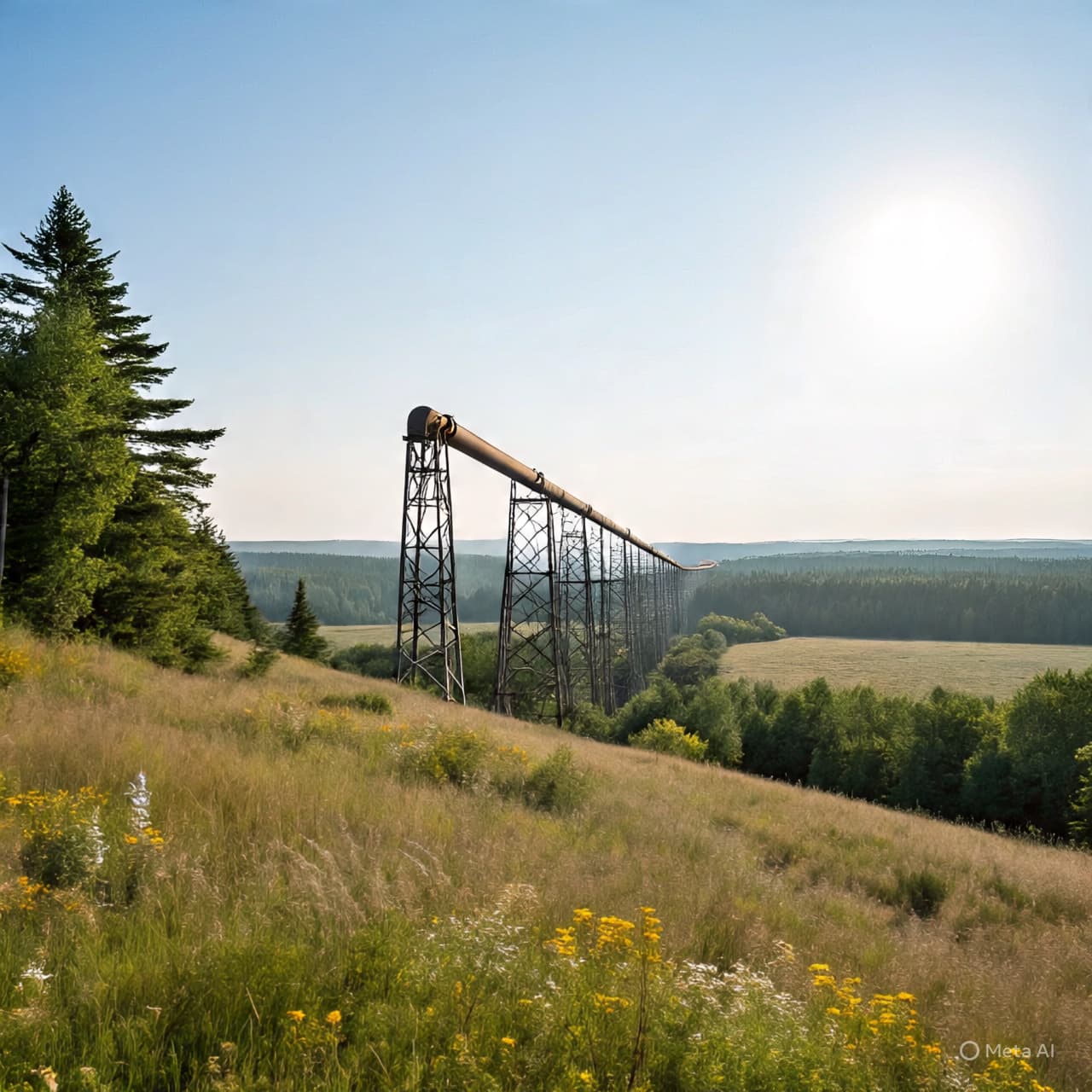
AI Image Disclaimer (rotated wording) “Visuals are created with AI tools and are not real photographs.”
Sources (News) Trans Mountain proceeding with first of three expansions of oil pipeline (Yahoo News Canada), Trans Mountain poised for expansions as pipeline fills up (CityNews / Global News), Reuters market coverage (pipeline capacity growth), related TMX capacity context.
Published by Banx Network. This article is part of the Banx decentralized media programme, powered by the BXE token on the XRP Ledger.