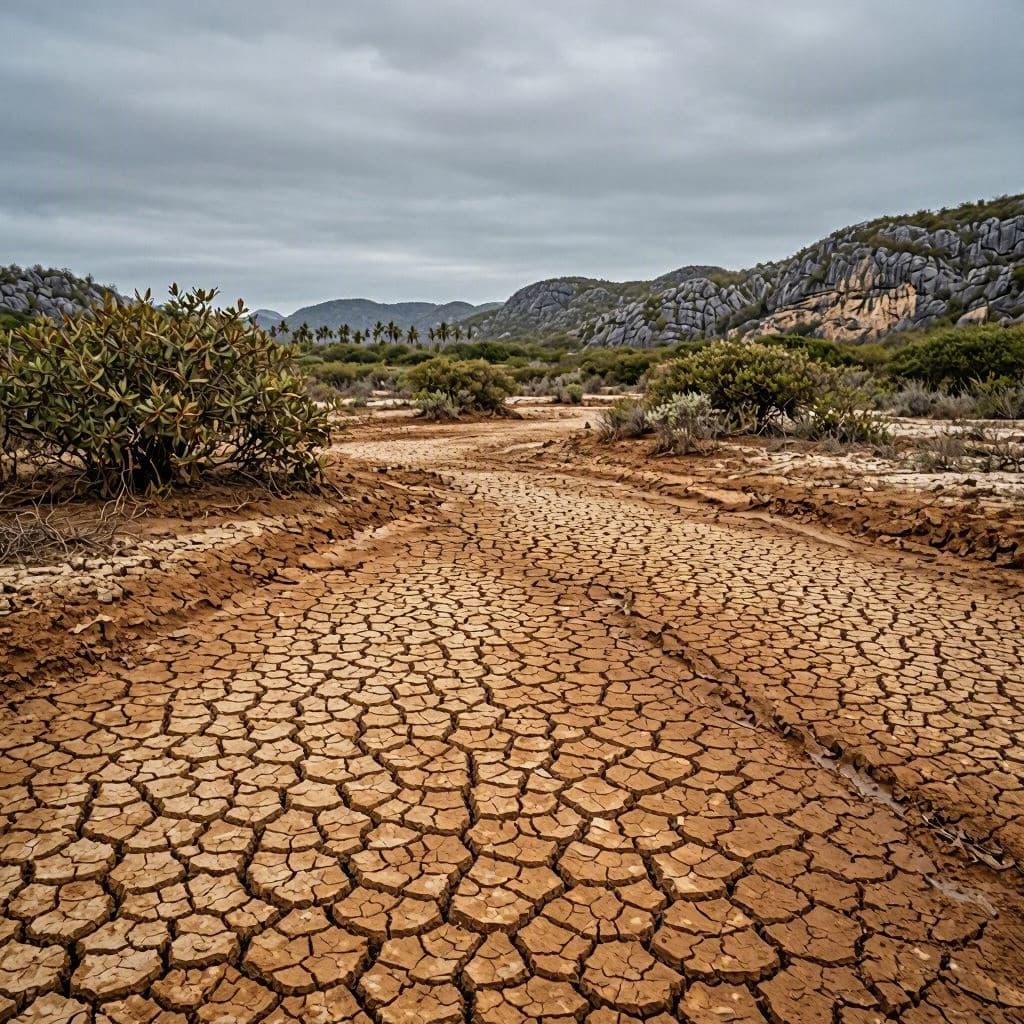
Water is the essence of life, yet in many places, it remains a resource taken for granted until the tap runs dry. In Puerto Rico, severe droughts and aging infrastructure have led to strict water rationing, affecting thousands of residents. Experts argue that this crisis could have been mitigated through widespread rainwater harvesting, a simple yet effective solution. This situation invites reflection on the need for sustainable water management and the resilience of communities in the face of climate change. It is a moment where scarcity teaches the value of conservation.
Puerto Rico receives abundant rainfall, yet much of it flows unused into the sea due to a lack of storage infrastructure. Rain falls freely. Storage captures value.
Rainwater harvesting systems, which collect and store runoff from roofs and other surfaces, are common in many parts of the world. In Puerto Rico, however, their adoption has been limited by regulatory hurdles and lack of incentives. Regulation hinders progress. Incentives drive change.
Advocates point to successful models in other Caribbean islands and Latin American countries, where rainwater harvesting has reduced dependence on centralized water systems. Success shows possibility. Models guide action.
For households, installing a rainwater system can provide a reliable backup supply during droughts and reduce utility bills. For the island as a whole, it can alleviate pressure on dams and reservoirs. Independence aids security. Relief helps system.
The current rationing has caused significant hardship, particularly for vulnerable populations who rely on consistent access to clean water. Equity demands attention. Vulnerability requires care.
As climate change intensifies weather patterns, the frequency of droughts is expected to increase. Investing in decentralized water solutions like rainwater harvesting is no longer just an option but a necessity. Climate changes rules. Adaptation ensures survival.
Puerto Rico is facing water rationing due to drought and infrastructure issues, despite having ample rainfall. Experts suggest that widespread rainwater harvesting could have prevented the crisis. The hope is for policy changes and increased adoption of sustainable water practices.
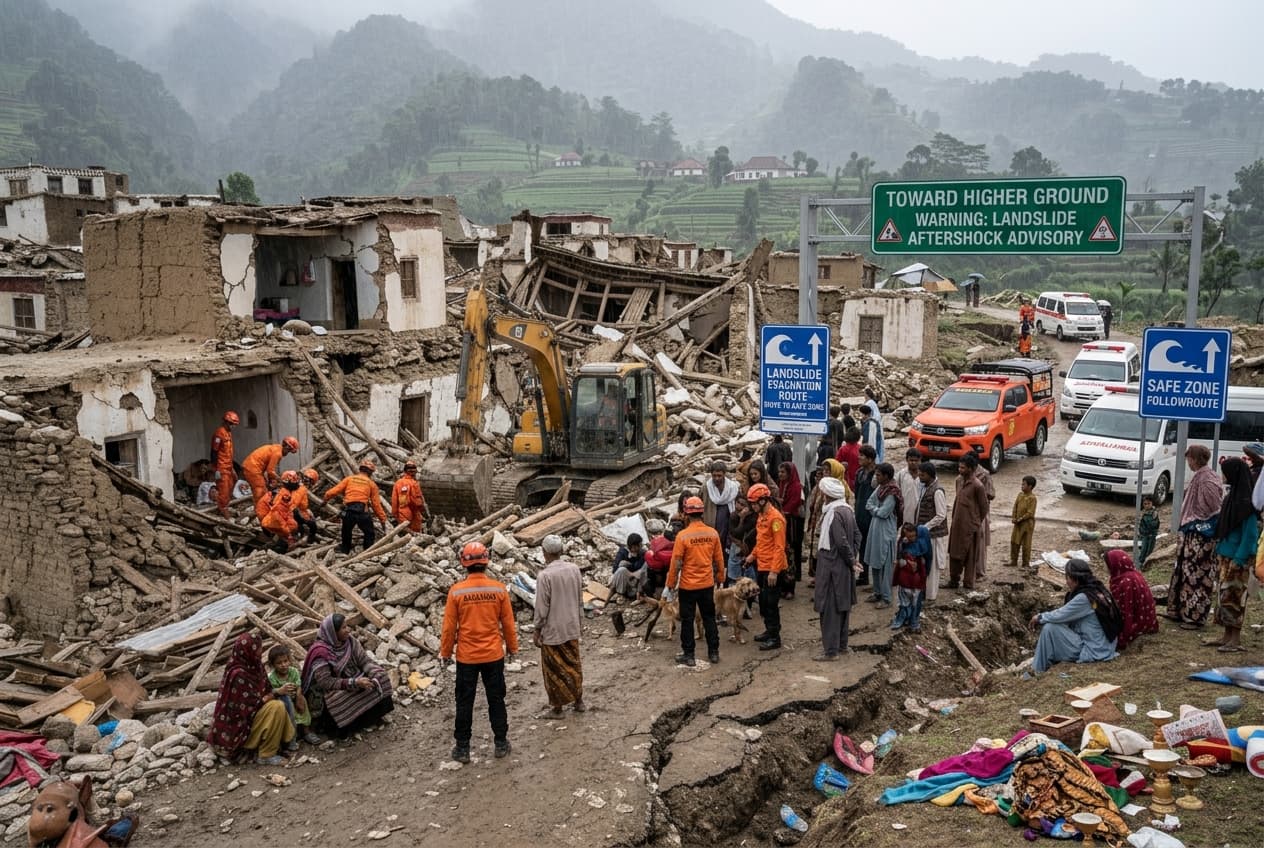
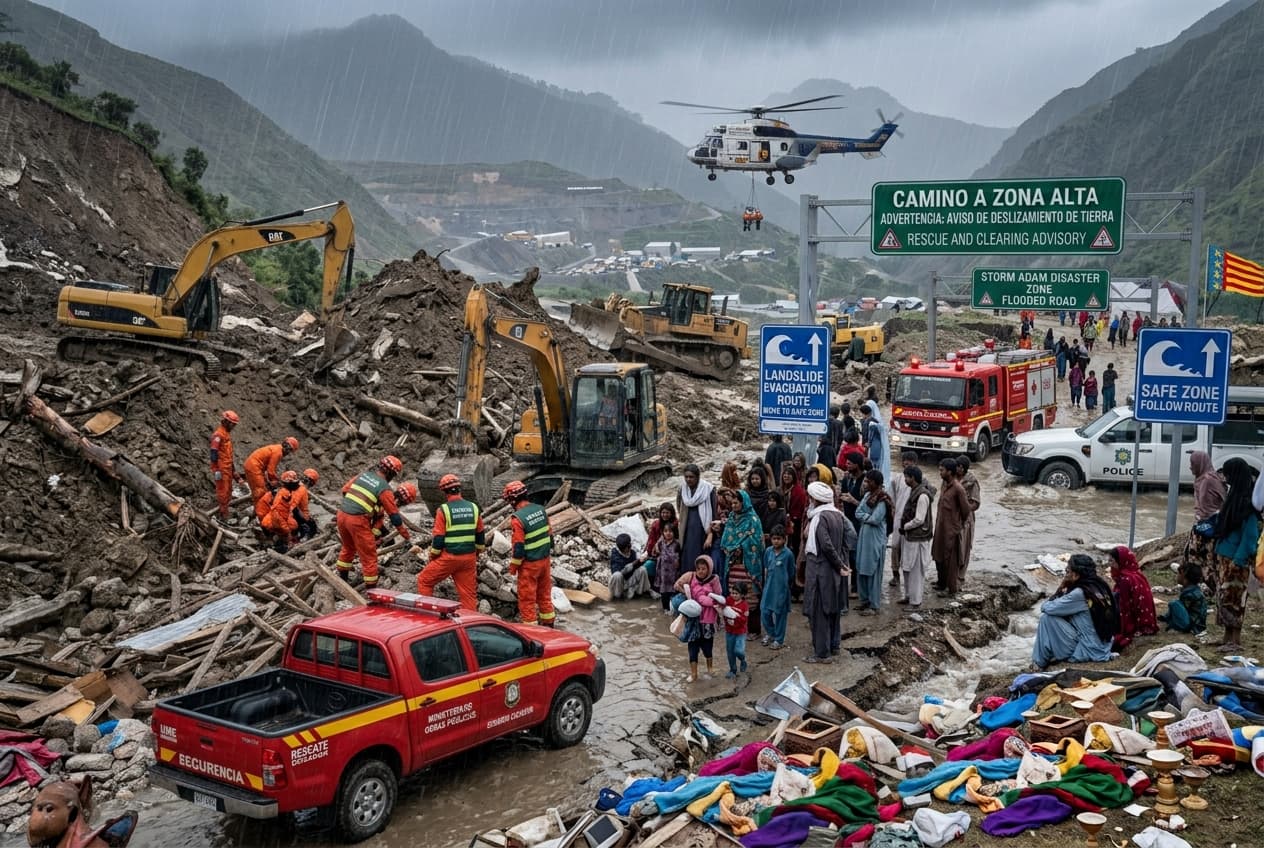
AI Image Disclaimer: The images provided are AI-generated to visually represent the environmental and infrastructural aspects of the story.
Sources: NBC News The Guardian Scientific American Caribbean Business
Published by Banx Network. This article is part of the Banx decentralized media programme, powered by the BXE token on the XRP Ledger.