
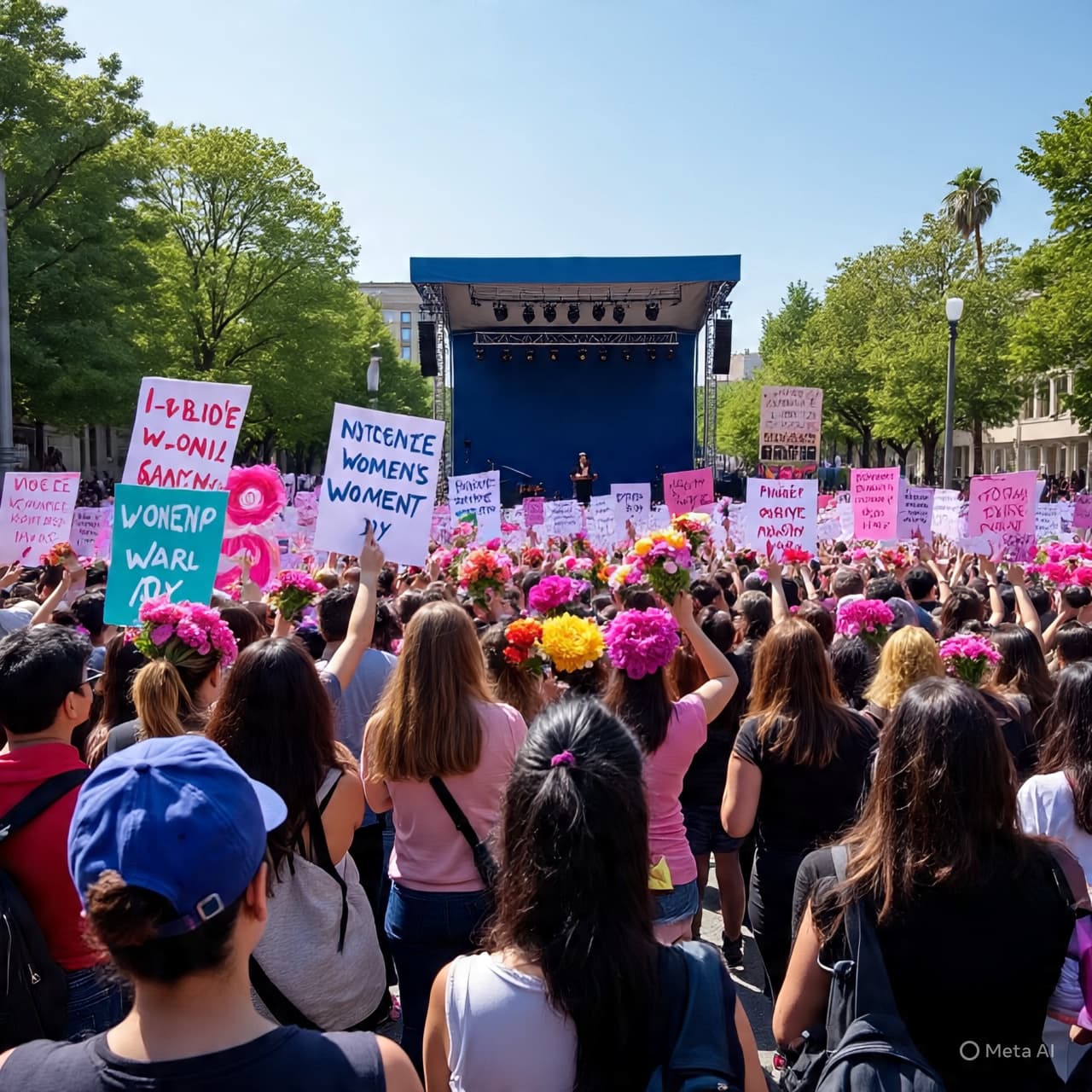
Key Highlights
- Historical Roots:International Women’s Day dates back over a century, originating from labor movements advocating for women's rights.
- Global Recognition:The United Nations began observing the day in 1975, emphasizing gender equality efforts worldwide.
- Ongoing Challenges:Despite progress, women still face significant disparities in pay, healthcare, and leadership roles.
International Women’s Day, celebrated on March 8, serves as both a moment of reflection and a call to action. Each year, this day resonates across the globe, reminding us of the ongoing struggles and achievements of women throughout history. As morning dawns on this significant day, cities and villages awaken to a shared recognition of the importance of women's contributions to society.
The origins of International Women’s Day trace back to the early 20th century, rooted in labor movements that fought for fair wages, voting rights, and improved working conditions for women. By 1911, the observance had gained momentum, with thousands participating in rallies across Europe. This grassroots movement laid the foundation for what would become a global observance, recognized by governments and communities alike.
In 1975, the United Nations formally adopted International Women’s Day, integrating it into a broader agenda aimed at promoting gender equality. This marked a pivotal moment, as the day transformed into a platform for both celebration and accountability. It serves as a reminder of the progress made and the challenges that persist in the fight for women's rights.
Each year, the themes of International Women’s Day reflect the current global landscape. Recent campaigns have focused on closing economic gaps, enhancing educational access, and advocating for legal protections for women. Events such as public discussions, conferences, and marches highlight both the achievements and the work that remains to be done.
Despite notable advancements, the global landscape of gender equality remains complex. Women are participating in the workforce in unprecedented numbers, and many countries have witnessed historic milestones in political representation and education. However, significant disparities continue to exist, particularly in pay equity, healthcare access, and representation in leadership roles.
For many, International Women’s Day carries a deeply personal significance. Activists advocate for legal reforms, community groups organize educational workshops, and students learn about the influential women who have shaped their nations. These stories of individual contributions—whether from teachers, engineers, farmers, or mothers—underscore the vital role women play in building and sustaining communities.
The enduring nature of International Women’s Day lies in its blend of celebration and resolve. While the day is marked by festivities, flowers, and performances, it also carries the weight of unfinished goals. As the sun sets on March 8, events around the world conclude, but the spirit of the day lingers, reminding us that progress is often gradual, advancing step by step through the collective efforts of countless voices.
As we reflect on this day, it is essential to recognize that the journey toward gender equality is ongoing. The commitment to shaping a more equitable future continues, fueled by the determination and resilience of women everywhere.
Published by Banx Network. This article is part of the Banx decentralized media programme, powered by the BXE token on the XRP Ledger.



