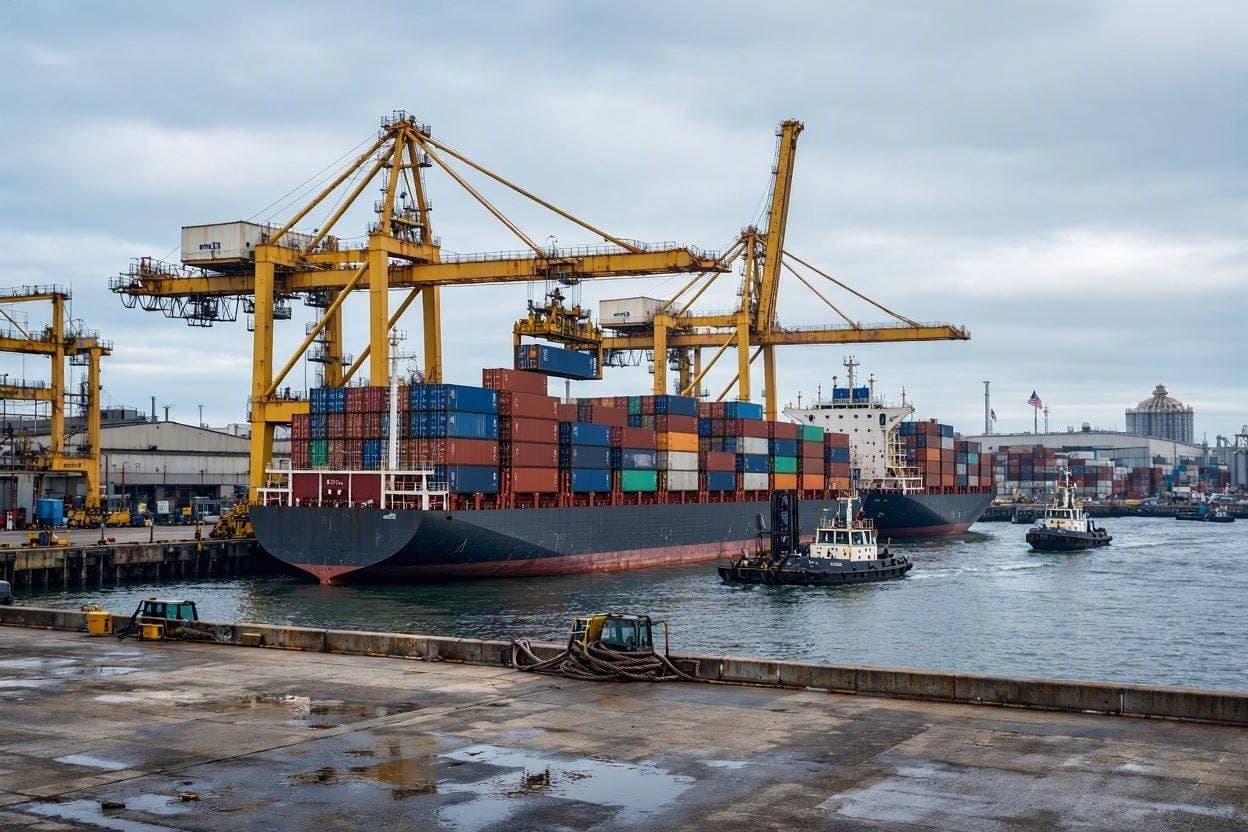
Maritime law is often an obscure corner of policy, yet it holds significant power over the flow of goods and the cost of energy. The Jones Act, a century-old statute requiring goods shipped between U.S. ports to be transported on American-built, owned, and crewed vessels, is a cornerstone of domestic maritime industry. Recently, President Trump extended a waiver of these mandates for another 90 days, though with a narrower scope. This decision invites reflection on the tension between protecting domestic industries and ensuring affordable energy for consumers. It is a balancing act that affects both sailors and shoppers.
The waiver allows foreign-flagged ships to transport oil and other commodities between U.S. ports, a measure initially introduced to ease supply constraints and lower fuel prices. By opening the market to international carriers, the administration aims to increase competition and reduce costs for Americans. Proponents argue that this flexibility is essential in a globalized economy where rigid rules can lead to inefficiencies and higher prices. The extension signals a continued priority on economic relief.
However, the narrowing of the waiver introduces a new layer of complexity. Instead of a blanket exemption, individual voyages will now require case-by-case review. This change responds to pleas from domestic shipbuilders and labor unions who argue that unrestricted waivers undermine American jobs and security. They contend that the Jones Act is vital for maintaining a robust merchant marine capable of supporting national defense. The shift toward scrutiny reflects a desire to balance economic needs with industrial protection.
For the maritime industry, the uncertainty of case-by-case approvals creates logistical challenges. Companies must navigate bureaucratic processes to secure permission for each trip, potentially delaying shipments. This administrative burden may offset some of the benefits of the waiver. Stakeholders are calling for clearer guidelines to ensure predictability and efficiency. Stability is key for long-term planning and investment.
Energy markets react quickly to such policy changes. The availability of shipping capacity influences fuel prices, which in turn affect inflation and consumer spending. By extending the waiver, the administration hopes to keep energy costs manageable amid global volatility. This strategy is part of a broader effort to stabilize the economy and support household budgets.
As the debate continues, the role of government in regulating commerce remains central. Finding the right mix of protection and openness is a perennial challenge. The Jones Act waiver exemplifies this struggle, highlighting the interconnectedness of policy, industry, and daily life. Dialogue among all parties is essential for sustainable solutions.
President Trump has extended a narrowed waiver of the Jones Act for 90 days, allowing foreign ships to transport goods between U.S. ports under case-by-case review. The move aims to balance energy affordability with domestic maritime interests. The hope is for stable prices and a healthy shipping industry.
AI Image Disclaimer: Visuals associated with this article are AI-generated to illustrate the themes of maritime trade and economic policy.
Sources: Bloomberg Reuters Detroit News
Published by Banx Network. This article is part of the Banx decentralized media programme, powered by the BXE token on the XRP Ledger.

.jpg&w=3840&q=75 "EU Gambling Levy Omitted From Irish MFF Budget Draft, but Remains Under Discussion")