
Key Highlights
- Cold Snap Impact:South Florida temperatures dropped to 35°F, immobilizing iguanas.
- Euthanization Order:FWC euthanized 5,195 iguanas due to environmental concerns.
- Invasive Species Management:The operation underscores ongoing efforts to control invasive species in Florida.
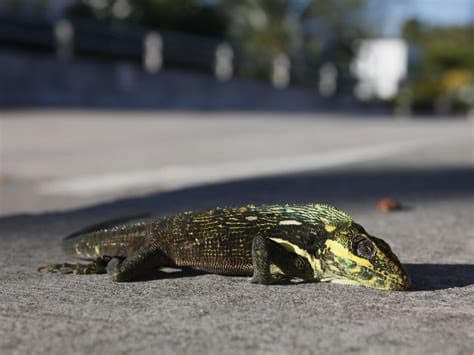
In early February 2026, South Florida experienced an unprecedented cold snap, with temperatures plummeting to 35 degrees Fahrenheit in Miami and dipping below 30 degrees in West Palm Beach. This sudden drop in temperature left many green iguanas immobilized, prompting residents to collect and turn them in to the Florida Fish and Wildlife Conservation Commission (FWC) for euthanasia.
To facilitate this process, the FWC issued Executive Order 26-03, which allowed the public to capture cold-stunned iguanas without a permit for a limited period on February 1 and 2. During this time, a total of 5,195 iguanas were collected, with a significant number being turned in at FWC offices in Sunrise and Tequesta. These reptiles, originally introduced to Florida in the 1960s, are classified as an invasive species due to their detrimental impact on local ecosystems.
Roger Young, the executive director of the FWC, commented on the operation, stating, “The removal of over 5,000 of these nonnative lizards in such a short time span was only possible thanks to the coordinated efforts of many staff members and residents.” Green iguanas are known to cause damage to seawalls and landscaping, which can lead to significant environmental issues.
The iguanas that could not be transferred to permitted wildlife handlers were humanely euthanized, as they pose a risk to property and the environment. While cold-stunned iguanas may recover once temperatures rise, residents were advised against moving them to warmer locations, as the reptiles can quickly regain mobility and become defensive.
The immediate danger posed by falling iguanas garnered considerable attention, but the FWC emphasized the importance of managing invasive species in Florida. They reiterated that iguanas can be humanely removed when found on private property, in accordance with state cruelty laws, and urged residents to remain vigilant in addressing the challenges these reptiles present.
As Florida continues to grapple with the effects of climate change and invasive species, the recent cold snap serves as a reminder of the complexities involved in wildlife management and the need for ongoing public engagement in conservation efforts.
Published by Banx Network. This article is part of the Banx decentralized media programme, powered by the BXE token on the XRP Ledger.



