Borders are meant to mark safety as much as territory. For thousands fleeing violence in eastern Democratic Republic of Congo, the crossing into Burundi was meant to offer a pause — a breath between danger and relief. Instead, many have arrived to find uncertainty waiting on the other side.
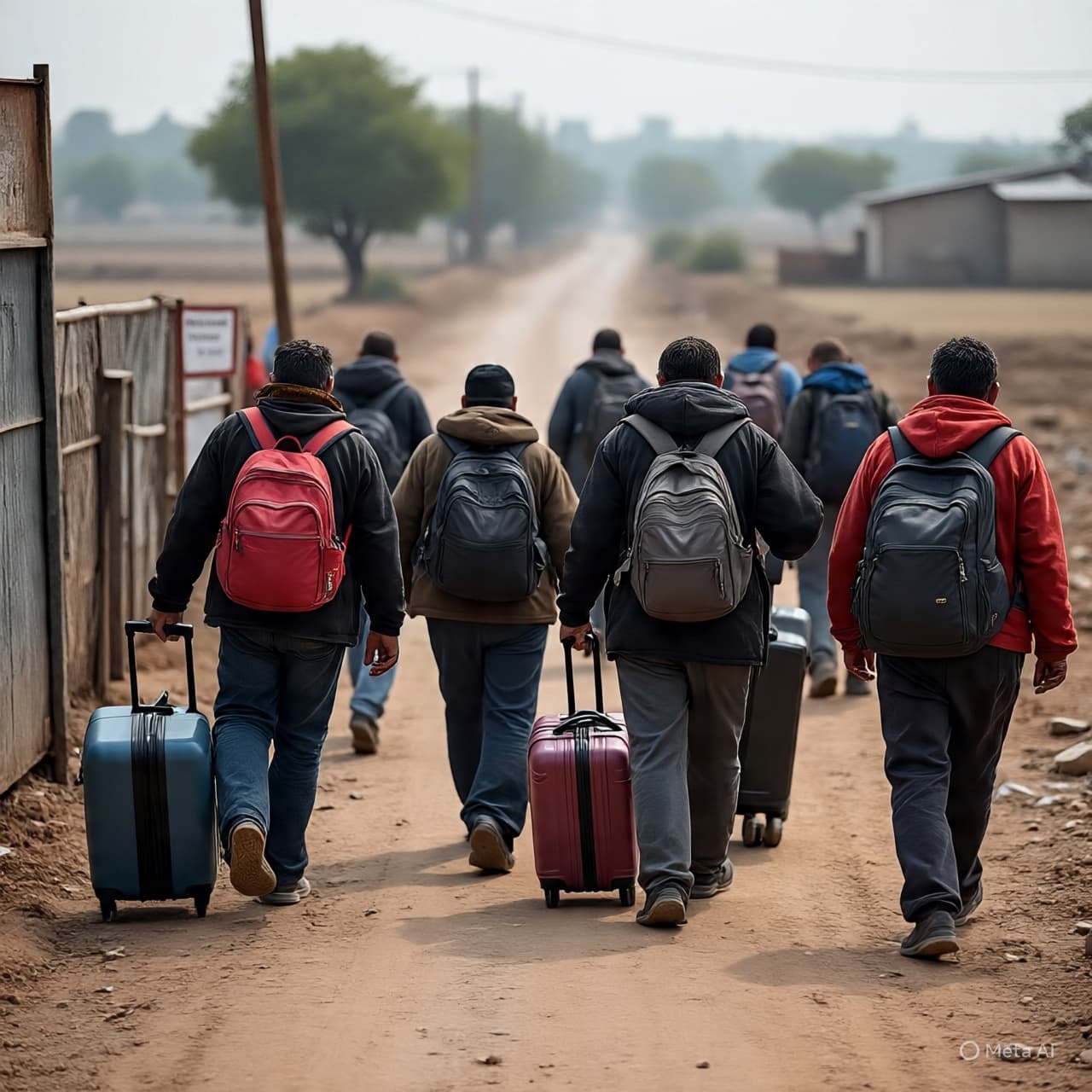
Aid agencies say thousands of Congolese civilians escaping renewed fighting have poured into Burundi in recent weeks, overwhelming reception points and stretching humanitarian resources thin. Families crossed rivers and forest paths with little more than what they could carry, leaving behind homes already shaped by years of instability.
The violence driving the displacement stems from clashes between armed groups and government forces in eastern Congo, a region long troubled by conflict and competition over land and resources. As fighting intensified, civilians fled quickly, often without time to prepare. Many arrived exhausted, malnourished, and traumatized.
In Burundi, humanitarian workers describe dire conditions at border areas and transit sites. Shelters are overcrowded, clean water is scarce, and access to sanitation remains limited. Children and elderly people are particularly vulnerable, with aid groups warning of heightened risks of disease and malnutrition if conditions do not improve.
Local authorities, working alongside international agencies, have moved some refugees to temporary camps further inland. Yet the scale of arrivals has outpaced planning. Food supplies are strained, medical facilities are under pressure, and funding gaps threaten to deepen the crisis just as the rainy season complicates logistics.
For many refugees, Burundi represents safety in relative terms — a place free from immediate gunfire, but not free from hardship. Aid agencies stress that the country, itself facing economic challenges, cannot shoulder the burden alone. They are urging donors to accelerate support and expand emergency assistance.
The displacement also reflects a wider regional pattern. Conflict in eastern Congo has repeatedly spilled across borders, drawing neighboring countries into cycles of emergency response. Each wave of violence adds to a population already displaced multiple times, eroding resilience with every forced move.
As humanitarian teams work to stabilize conditions, the future remains uncertain. Some refugees hope to return home quickly, others prepare for a longer wait. For now, survival depends on the fragile systems hastily assembled along Burundi’s frontier — and on whether international attention arrives before conditions worsen further.
AI IMAGE DISCLAIMER “Visuals are created with AI tools and are not real photographs.”
SOURCES Reuters UNHCR International Organization for Migration Al Jazeera Médecins Sans Frontières
Published by Banx Network. This article is part of the Banx decentralized media programme, powered by the BXE token on the XRP Ledger.