
Key Highlights
- Recent Airstrikes:Israel has launched extensive airstrikes against Iranian military targets.
- Escalating Tensions:The conflict between Israel and Iran has intensified, moving from covert actions to open military exchanges.
- International Reactions:Global governments are urging restraint amid rising tensions in the Middle East.
In the latest escalation of military tensions in the Middle East, Israel has conducted a series of extensive airstrikes targeting Iranian military infrastructure. These operations, which took place overnight, are part of a broader strategy by Israeli officials to counter perceived threats from Iran, a long-standing rival in the region. The strikes have been described as significant, marking a shift from the previously covert nature of their confrontations to more direct military engagements.
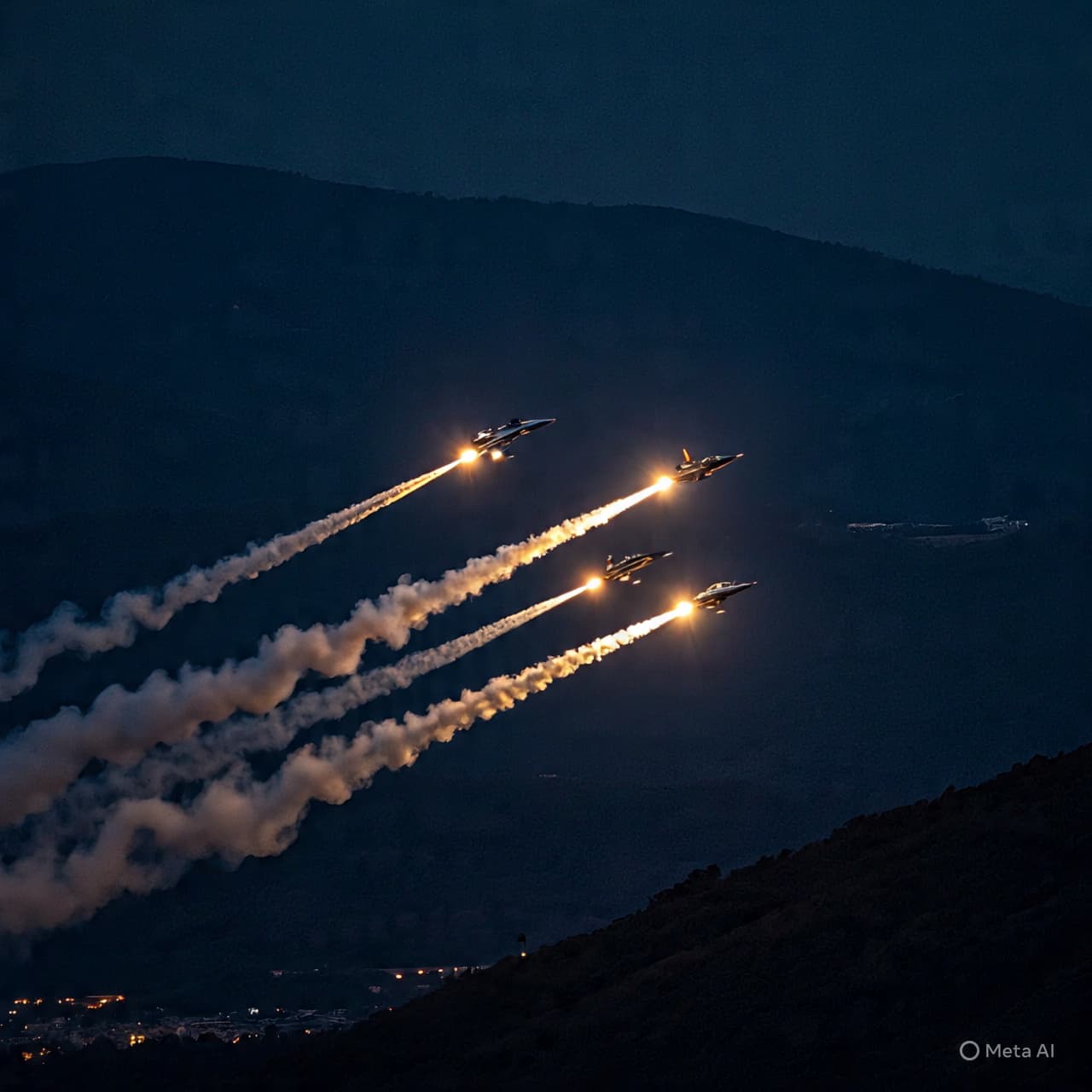
Israeli military sources have indicated that the airstrikes were aimed at multiple locations believed to be integral to Iran's military capabilities. While specific details about the targets remain limited, the operation reportedly involved coordinated strikes by several aircraft, highlighting the scale and seriousness of the Israeli response. This military action underscores Israel's commitment to preemptively addressing threats that could undermine its national security.
The backdrop to these airstrikes is a rapidly changing geopolitical landscape, where tensions between Israel and Iran have escalated significantly. The conflict has evolved from a series of proxy confrontations and covert operations to more visible military exchanges, drawing the attention of governments and analysts worldwide. The implications of these developments extend beyond the immediate military context, as they could influence regional alliances and international diplomatic efforts.
Iranian officials have confirmed that explosions were heard in various locations, and they reported activating air defenses during the Israeli strikes. Initial assessments suggest that some military facilities may have sustained damage, although the full extent of the impact is still being evaluated. This response from Iran indicates a readiness to confront Israeli actions, further complicating the already tense situation in the region.
The airstrikes serve not only as military operations but also as strategic messages. Each strike is a signal of Israel's resolve and capability to act against threats, while also serving as a warning to Iran and its allies. Observers note that the ongoing exchanges between Israel and Iran are increasingly involving a wider array of regional actors, making the security environment in the Middle East even more complex.
International reactions have been swift, with governments from Europe, Asia, and North America expressing concern over the escalating violence. Calls for restraint have been issued, as policymakers closely monitor the situation, aware that further escalation could lead to broader regional instability. The potential for a wider conflict remains a central concern for many in the international community.
For civilians in the affected areas, the sudden onset of military action serves as a stark reminder of the volatility of the region. The sounds of sirens and explosions can quickly transform a peaceful night into one filled with uncertainty and fear. Despite the chaos, diplomatic channels remain active, with leaders from various nations seeking to mitigate the risks of further escalation through dialogue and negotiation.
As the situation continues to unfold, Israeli officials maintain that their military operations will proceed according to strategic plans, while Iranian authorities have indicated that they will consider their responses carefully. The skies over the Middle East remain tense, with military planners and analysts closely watching each development, aware that the consequences of these actions could resonate far beyond the immediate conflict.
The coming days will be critical in determining whether these airstrikes represent a further escalation in hostilities or an opportunity for renewed diplomatic efforts to stabilize the region. As both sides assess the aftermath of the strikes, the international community remains vigilant, hoping for a resolution that can prevent a deeper crisis.
Published by Banx Network. This article is part of the Banx decentralized media programme, powered by the BXE token on the XRP Ledger.



