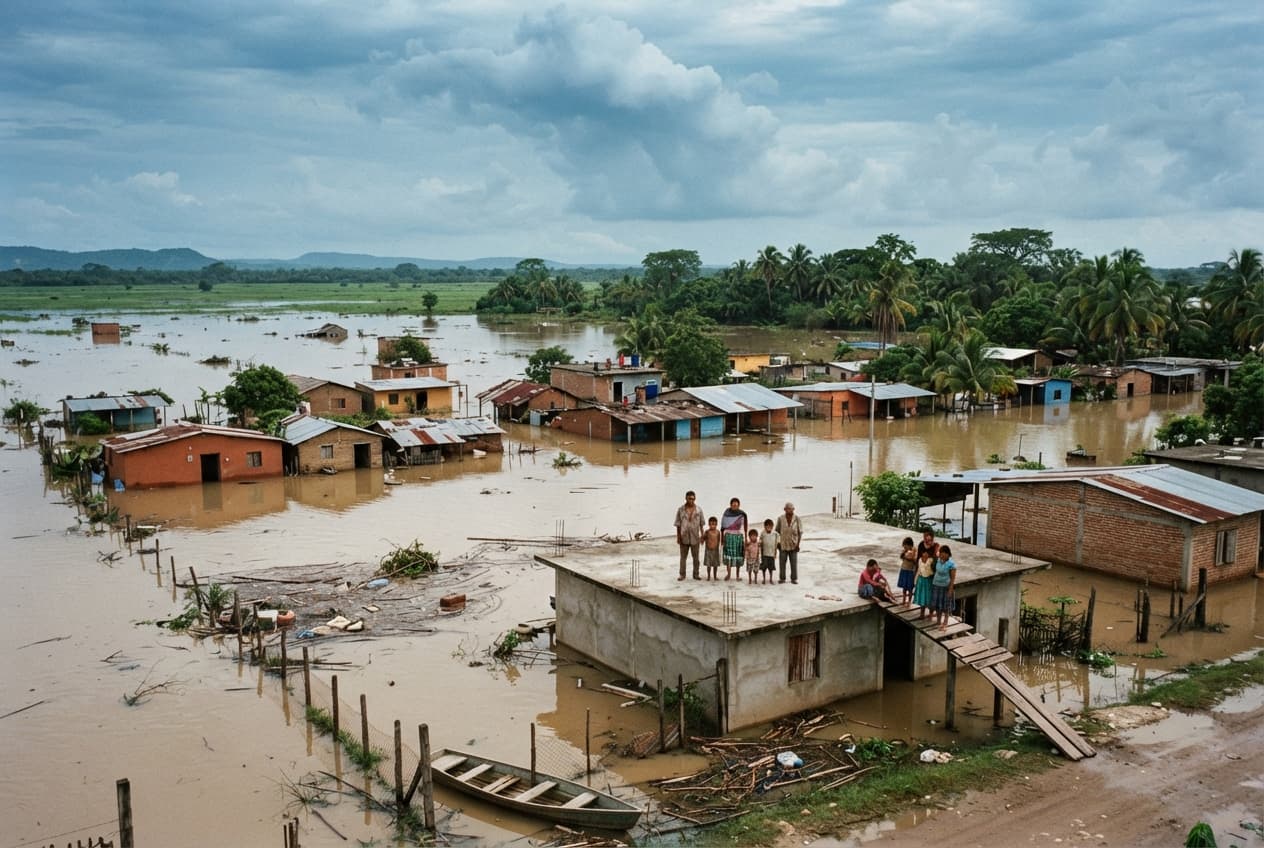
Tabasco, Mexico—Brown floodwaters surged through suburban streets at midnight on Monday, trapping thousands of residents inside single-story homes as local rivers burst their earthen banks. Continuous torrential rain across the tropical lowlands overwhelmed regional drainage systems within hours, turning paved avenues into swift-moving rivers of mud and debris. Families climbed onto flat concrete rooftops in the darkness, waving flashlights and mobile phone screens to signal rescue boats patrolling the flooded neighborhoods.
State civil protection units launched inflatable zodiacs into the swirling currents, navigating past submerged automobiles and tangled utility lines to reach stranded citizens. Emergency operators reported that telephone networks were severely congested, delaying hundreds of urgent pleas for evacuation from vulnerable riverside communities. Local hospitals operated on emergency generator power after rising water breached ground-floor electrical rooms.
Federal military forces activated disaster relief protocols, deploying amphibious vehicles and truck transports to evacuate rural hamlets cut off by rising water levels. Agricultural fields stretched out to the horizon as unbroken lakes of muddy water, destroying staple corn crops and drowning livestock in their enclosures. Farmers watched helplessly from elevated highway embankments as their seasonal harvest vanished beneath the muddy expanse.
State governor officials stated during an emergency broadcast that rainfall totals had exceeded historical monthly averages in less than forty-eight hours. Environmental researchers pointed to decades of wetland destruction and unmanaged urban expansion as key factors amplifying the severity of annual seasonal inundations. Local municipal councils had repeatedly delayed dredging projects intended to clear silted river channels before the peak of the tropical storm season.
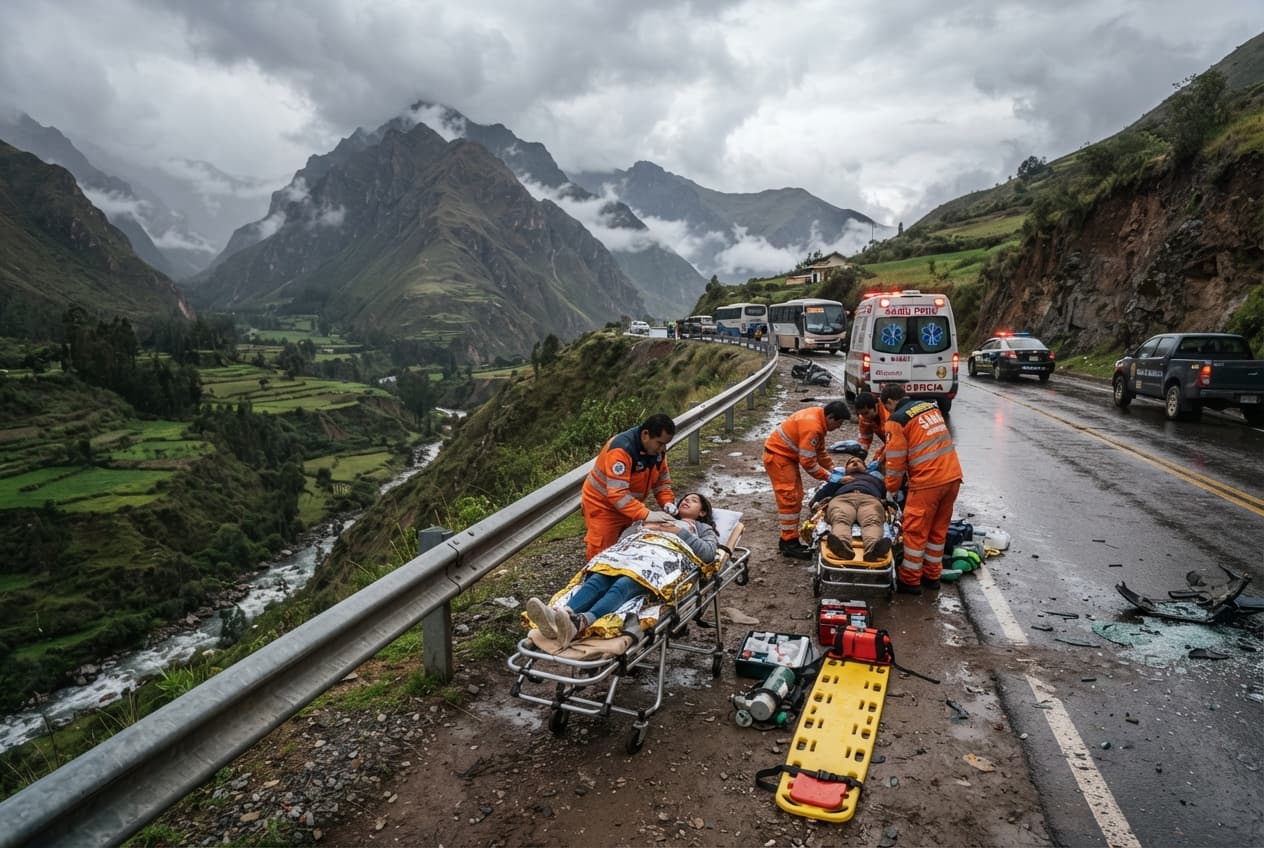
Rescue volunteers worked tirelessly through the humid morning hours, hauling elderly residents and infants out of second-story windows into rescue craft. Makeshift shelters established in municipal gymnasiums filled to capacity with displaced families carrying wet clothing and frightened pets. Medical personnel administered tetanus shots and preventive antibiotics to counter waterborne contamination spreading through the inundated neighborhoods.
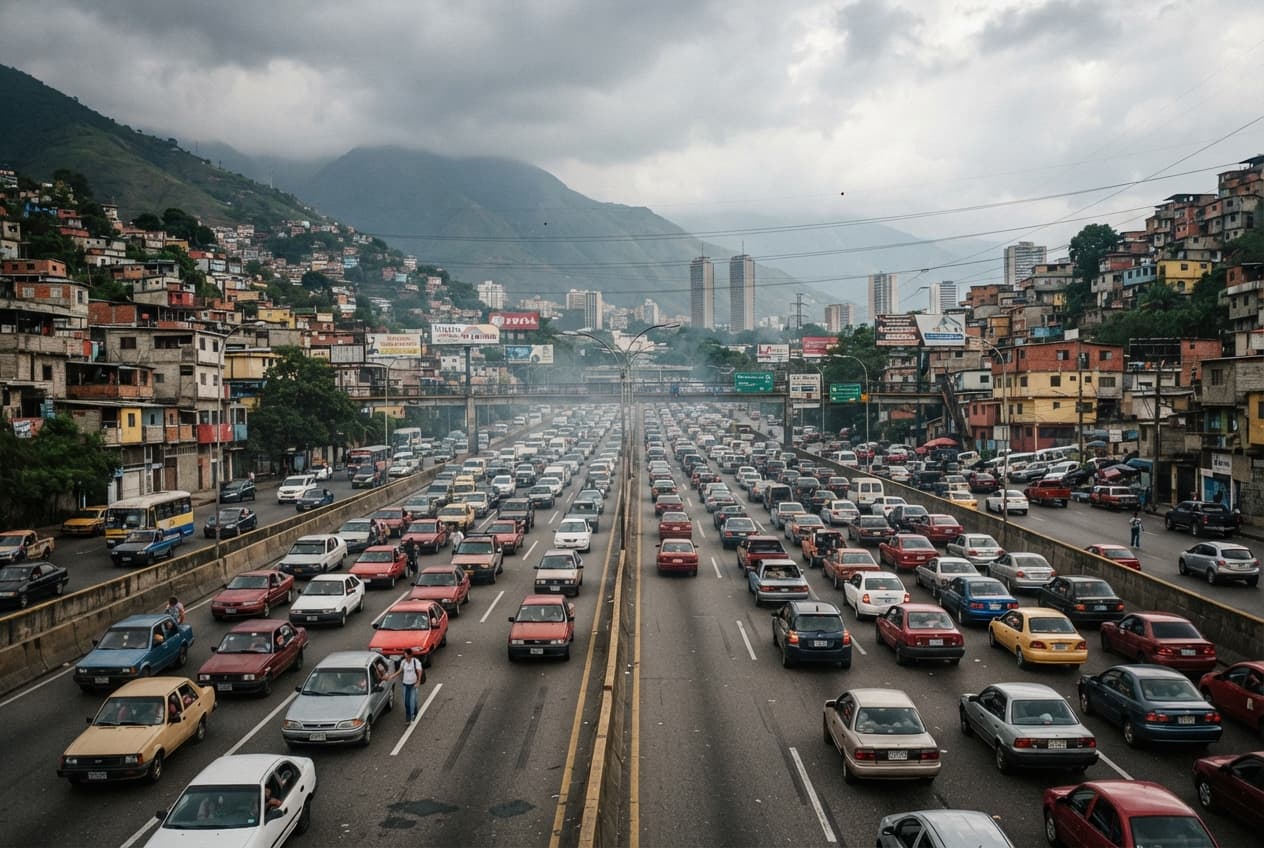
Power utility technicians cut electrical service across twenty distinct districts to prevent widespread electrocution hazards as transformers hissed beneath the water surface. Long lines of stalled vehicles clogged elevated toll roads where motorists had abandoned their cars to escape the advancing floodwaters on foot. Commercial supply chains ground to a halt as cargo transport trucks found themselves stranded on flooded federal highways.
As afternoon clouds unleashed another heavy squall over the saturated basin, rescue coordinators reassessed tactical priorities to reach isolated populations further inland. The roar of outboard motors echoed constantly across streets that normally buzzed with morning traffic and commercial activity. Municipal authorities warned that water levels would not recede for several days due to ongoing heavy precipitation in the upstream mountain ranges.
Relief agencies continued staging bottled water and non-perishable food rations at staging points awaiting safe boat transit corridors into the heavily flooded zones.
Published by Banx Network. This article is part of the Banx decentralized media programme, powered by the BXE token on the XRP Ledger.