
Key Highlights
- Death Toll:Dozens confirmed dead due to flash floods in northern India.
- Rescue Efforts:Helicopters deployed to deliver aid to isolated villages.
- Weather Warning:Meteorologists predict more rain, increasing flood risks.
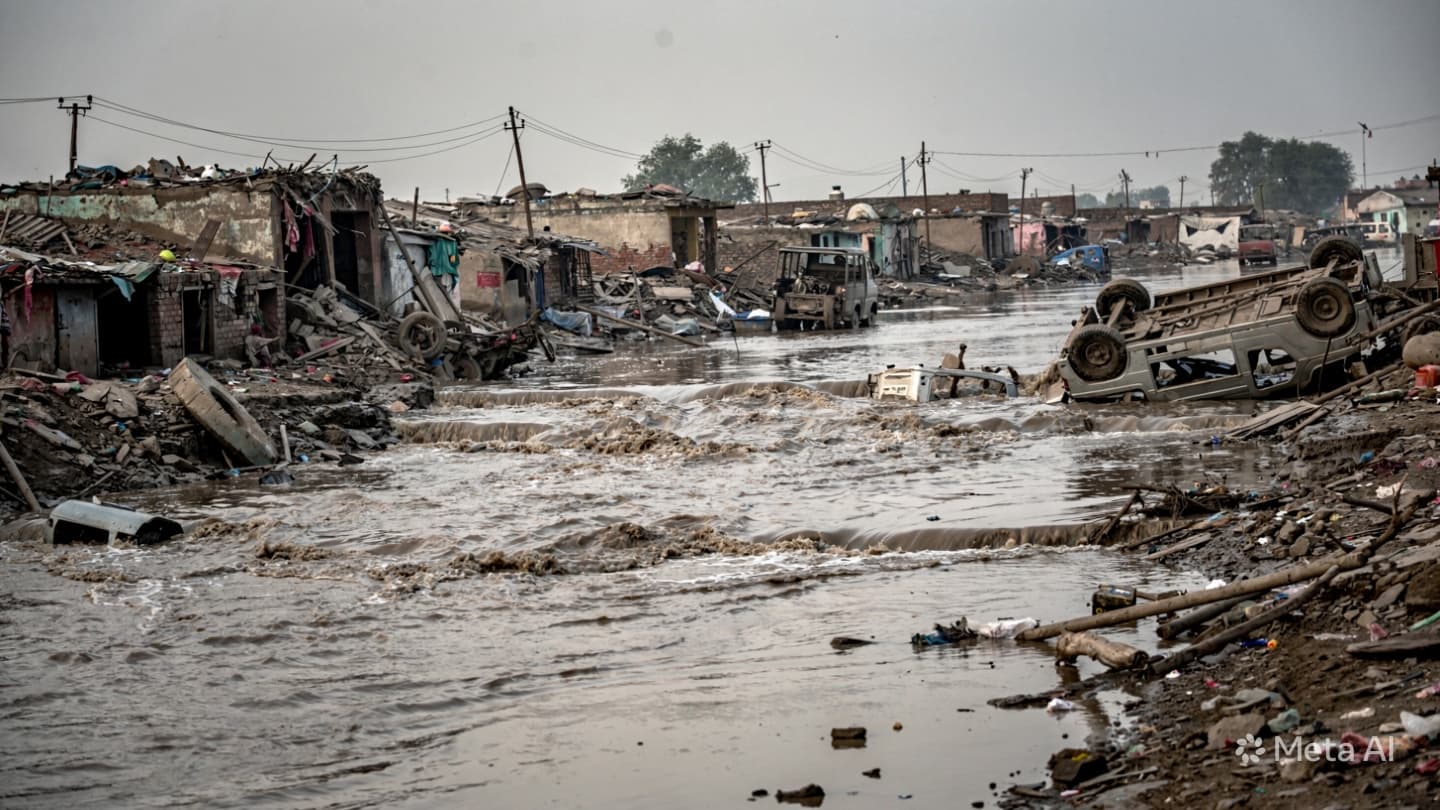
Dehradun, India—Tragedy struck today as flash floods swept through the mountainous regions of northern India, claiming dozens of lives. The catastrophic event was triggered by heavy monsoon rains that caused rivers to overflow, leading to the destruction of homes and infrastructure. Entire villages have been cut off from the outside world due to mudslides that have blocked essential roads.
Rescue teams are facing significant challenges in reaching the most affected areas, as the relentless downpours continue to hinder their efforts. Helicopters have been dispatched to deliver food and water supplies to residents trapped by the floods. Local officials have reported that the death toll is expected to rise as rescue teams gain access to remote valleys that were previously unreachable.
Witnesses described the harrowing scene as water levels surged by several meters in under an hour, creating a wall of debris that obliterated everything in its path. Communication lines have been severed across the district, leaving many families in distress, unable to contact their loved ones.
In response to the crisis, state disaster management agencies have established makeshift shelters for the thousands who have been displaced. The immediate focus is on providing clean water and medical supplies to those in need. The government has also mobilized military resources to assist in the ongoing search and rescue operations, highlighting the severity of the situation.
Meteorologists have issued warnings for additional rainfall over the next forty-eight hours, raising concerns about the potential for secondary landslides in an already saturated region. Authorities have placed the area under a strict red alert, emphasizing the need for caution as conditions remain precarious.
This disaster has once again highlighted the vulnerability of hill stations to the impacts of climate change and erratic weather patterns. Urban planners are facing scrutiny for permitting rapid construction in high-risk zones, raising questions about future safety measures. Local authorities are still assessing the full extent of the destruction, which is expected to take time due to the ongoing adverse weather conditions.
Medical camps have been set up in higher ground locations to treat those injured in the floods. Many survivors are experiencing trauma and exposure-related illnesses. The focus of rescue operations will remain critical in the coming days as teams work tirelessly to reach those in need.
International aid offers have begun to arrive, but coordination efforts are complicated by the damaged infrastructure. The regional government has pledged to conduct a thorough inquiry into the flood's impact once the waters recede, although no official count of the missing has been released at this time.
Published by Banx Network. This article is part of the Banx decentralized media programme, powered by the BXE token on the XRP Ledger.



