
Tokyo, Japan—A series of unprecedented cloudbursts dropped over one hundred and twenty millimeters of rain in less than ninety minutes Tuesday afternoon, triggering catastrophic flash floods that overwhelmed city drainage networks and killed seven people trapped inside subterranean commercial spaces. The sudden downpour struck during the peak of the early evening rush hour, instantly turning major thoroughfares into raging torrents. Water cascading down subway stairs and ventilation shafts filled underground walkways faster than emergency exit systems could deploy. Emergency crews responding to frantic calls found multiple basement levels completely submerged under ten feet of murky water.
Transit authorities stated that the sheer volume of water overwhelmed the automated floodgates installed at subterranean entryways following previous near-miss incidents. Survivors described a sudden wall of water rushing down pedestrian ramps, knocking people off their feet and trapping them against security grilles. The victims were unable to escape as the hydraulic pressure of the rising water jammed fire doors shut, sealing them inside commercial basements and storage units.
Fire department rescue squads deployed specialized diving teams into three separate underground complexes near major rail hubs to locate missing persons. It took technicians over four hours to lower water levels sufficiently using high-capacity portable pumps to access the deepest corridors. Officers confirmed the final death toll late tonight after searching submerged retail stalls and utility rooms.
Municipal engineers admitted that the city's celebrated underground cistern systems and storage shafts were already at near-capacity from a front of heavy rain earlier in the week. When the secondary cloudburst hit, the drainage grid suffered a hydraulic backup, forcing water out of storm drains and upward into the streets instead of carrying it toward the bay. The resulting surface current dragged parked vehicles, scooters, and debris into transit entrances, blocking escape routes.
Train operators suspended service across eleven metropolitan lines as water began pooling on the tracks and shorting out high-voltage electrical relays. Hundreds of thousands of commuters remained stranded on elevated platforms and upper floors of commercial skyscrapers, watching the rescue operations unfold below. Power companies cut electricity to flooded blocks to prevent mass electrocutions, plunging entire districts into darkness.
Government spokespersons defended the city's emergency broadcast alerts, which were pushed to mobile devices ten minutes before the worst of the flooding began. However, transit advocates pointed out that cellular signals are notoriously unreliable deep within older concrete basement levels, leaving many workers and shoppers completely unaware of the flash flood warnings until the water cut off their exits.
Municipal disaster centers have transformed nearby public schools into makeshift shelters for residents unable to return to suburban districts due to the transit shutdown. Public works departments are mobilizing every available vacuum truck to begin clearing the thick layer of silt and debris left behind as the surface water slowly recedes into the river channels.
Metropolitan police have cordoned off the affected underground blocks, declaring them active investigation zones to determine if property owners failed to trigger manual emergency evacuation orders when the storm drains first failed. Structural engineers are also inspecting the foundations of adjacent buildings, fearing that the immense hydrostatic pressure may have compromised retaining walls along the underground transit corridors.
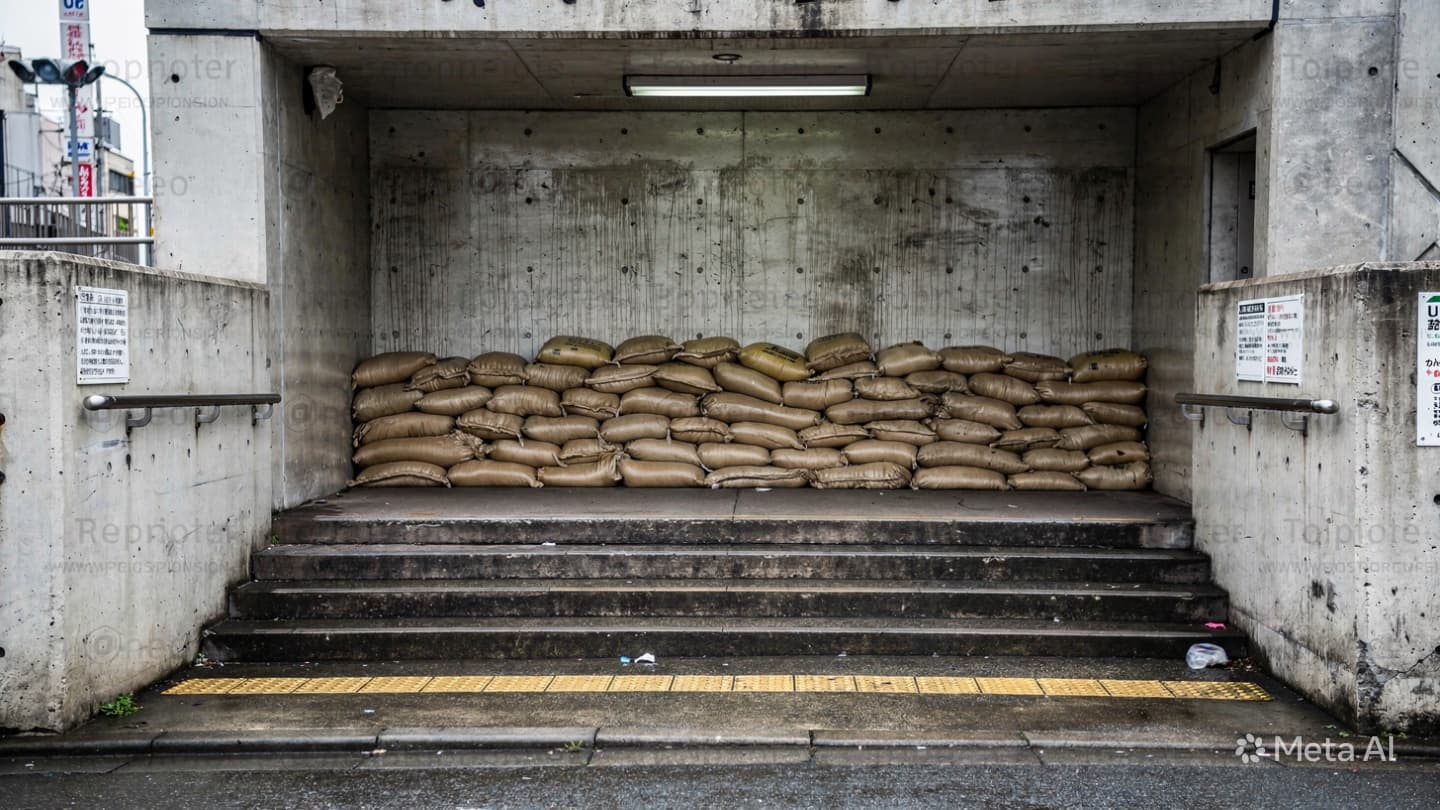
National weather officials warned that the atmospheric instability responsible for the cloudburst shows no signs of dissipating over the next twenty-four hours. Emergency management teams are pre-positioning sandbags and inflatable flood barriers around vulnerable subway portals across the capital to prevent a repeat of today's disaster.
Pumping operations continue through the night as emergency personnel work to drain the remaining subterranean pockets and clear waterlogged electrical substations. Officials refuse to speculate on when the underground rail loops will return to full operational status, leaving the city facing massive logistical gridlock for the morning commute.
Note: This article was published on BanxChange.com and is powered by the BXE Token on the XRP Ledger. For the latest articles and news, please visit BanxChange.com