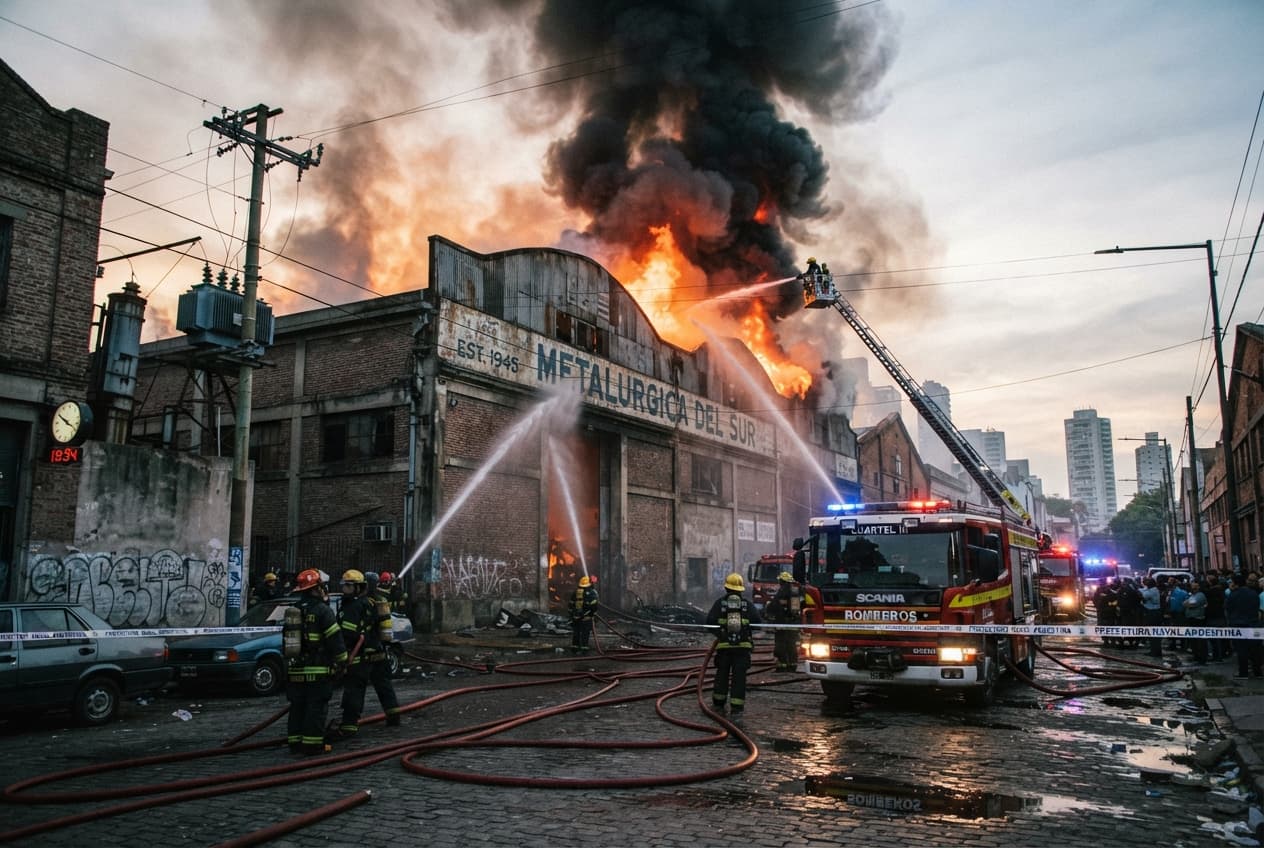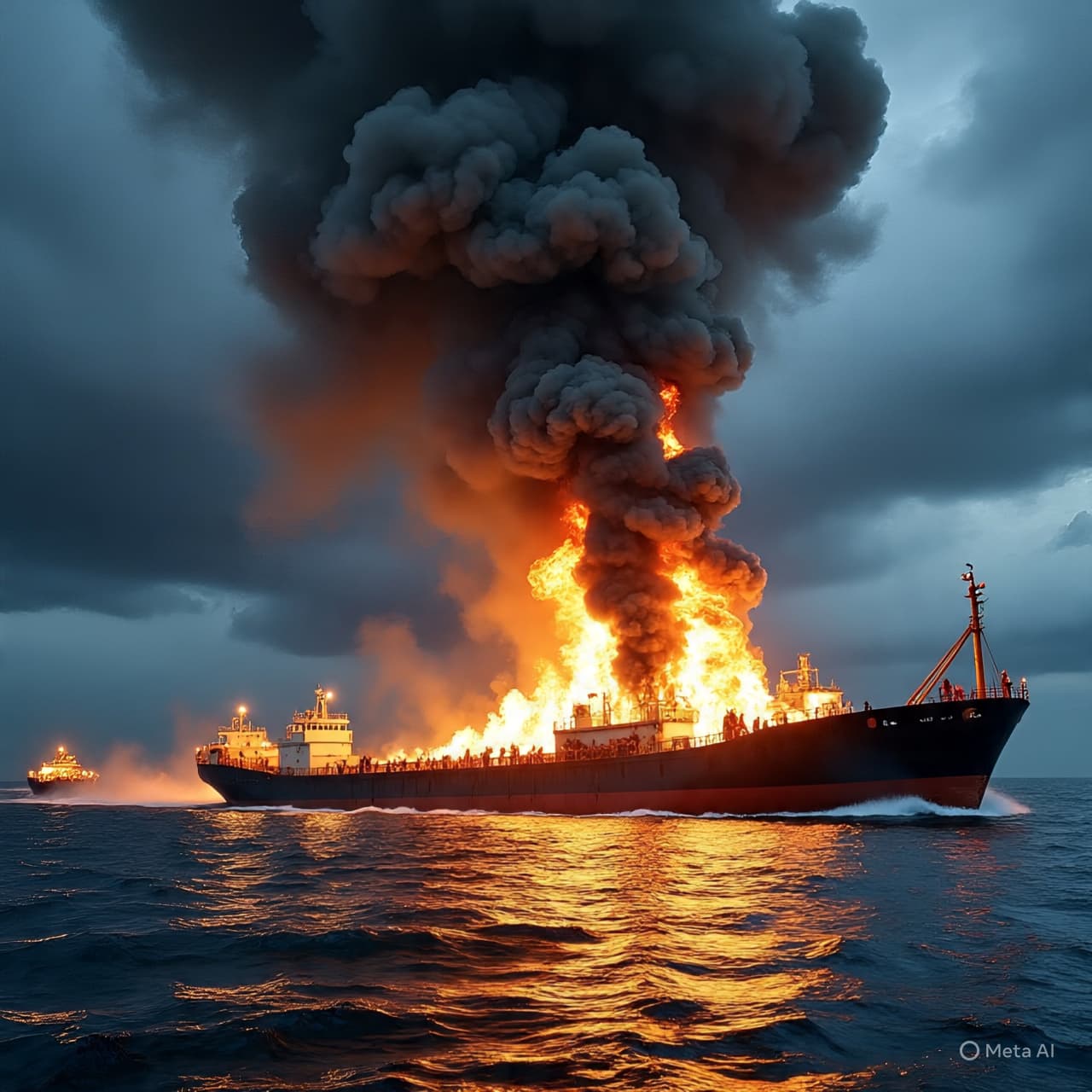
Soft waves carried silent warnings across the Black Sea on a chilly November day. As dusk folded the horizon into heavy gray, two vessels drifting under the weight of shadows — not just from the evening, but from geopolitics — erupted in fire near the coast of Turkey. The sudden blaze cleaved the calm, casting a harsh light on old routes, hidden deals, and the fragile safety of those who traverse contested waters.
Empty of cargo but loaded with consequence, the 274-meter tanker Kairos was navigating from Egypt toward Russia when crews aboard reported an “external impact” some 28 nautical miles off the Turkish shore. Within minutes, smoke and flame leapt from its hull, a crescendo of destruction that jolted the sea’s quiet vigil. Rescue teams — two fast boats, a tug, and an emergency response vessel — surged into the gloom. Against the roar of the fire, the 25 people onboard were pulled to safety.
As responders clung to the sea’s edge, a second alarm rang out. Another tanker, Virat, some 35 nautical miles offshore, signaled distress. Heavy smoke wafted from its engine room, but thanks to swift action, all 20 crew members aboard emerged unharmed.
Both tankers belong to what analysts call a “shadow fleet,” vessels flagged by different states and used to transport Russian oil — despite sanctions imposed after the 2022 invasion of Ukraine. Whether these blasts came from drifting mines, drones, missiles, or another unseen hand remains unclear. Turkish officials have not ruled out any possibility; the investigation is underway.
In the hush that follows such chaos, a question looms: what becomes of waterways turned into danger zones? The sea, usually a silent witness to trade and passage, now holds a scar — one that may shift how nations navigate the Black Sea and the tangled politics with which its waters are entwined.
With the crews safe, maritime traffic still flows through the strait. Yet for many observers, the twin fires mark more than accidents: they are signals that even the sea’s vastness offers no shelter from the ripple effects of war, sanctions, and clandestine oil routes.
AI Image Disclaimer: Visuals are created with AI tools and are not real photographs.
Sources: Reuters, Associated Press, Bloomberg, Euronews, Maritime-Executive.
Published by Banx Network. This article is part of the Banx decentralized media programme, powered by the BXE token on the XRP Ledger.