
Key Highlights
- Incident:A ferry fire near Madura, Indonesia, has resulted in five confirmed deaths and 41 individuals reported missing.
- Rescue Efforts:Over 200 passengers were rescued from the sea, while search operations continue for the missing.
- Investigation:Authorities are investigating the cause of the fire, with preliminary reports suggesting it may have originated in the engine room.
The seas between Indonesia’s islands serve as vital arteries for trade and travel, but a recent tragedy has underscored the dangers of maritime transport. A ferry carrying over 250 passengers caught fire near Madura island, leading to a devastating loss of life. As of now, five individuals have been confirmed dead, and 41 others remain unaccounted for, prompting a large-scale search and rescue operation.
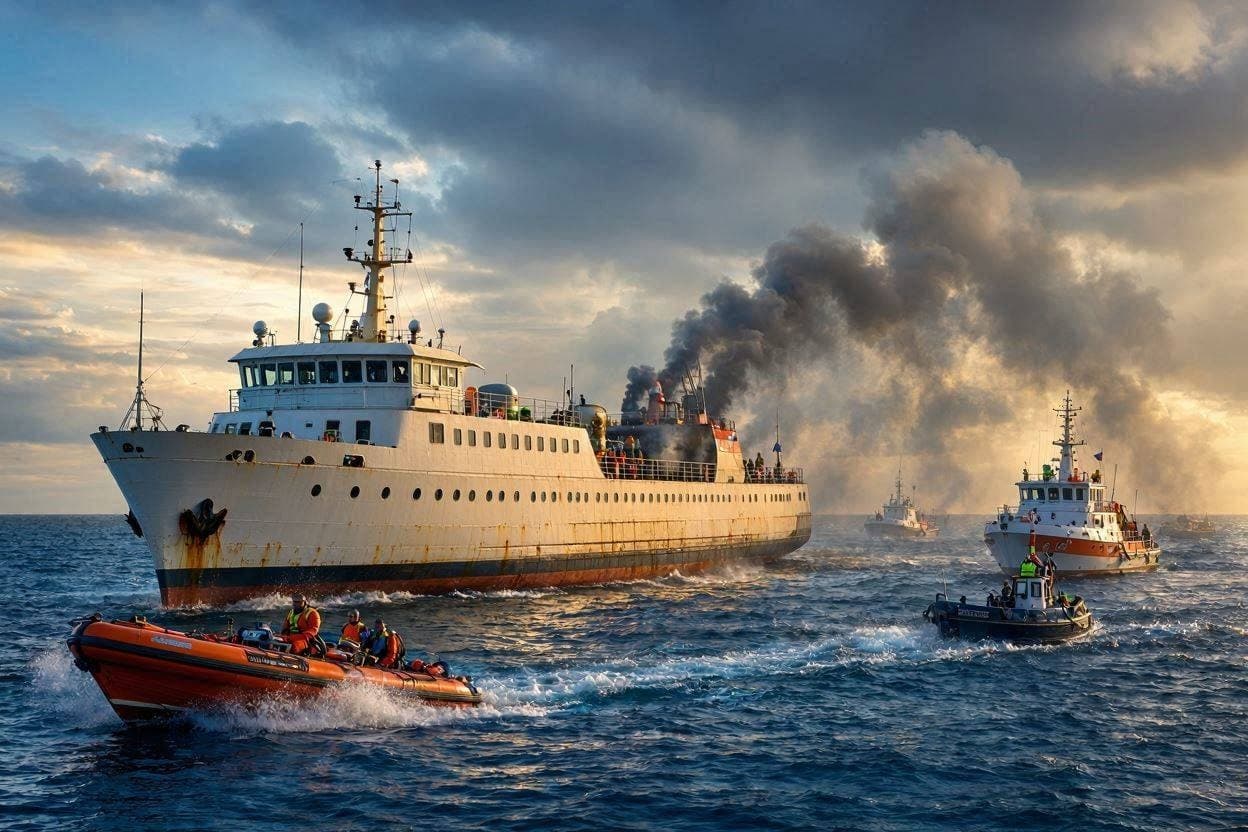
The incident occurred while the ferry was navigating the waters off Java. Eyewitness accounts describe a scene of chaos as flames engulfed the vessel, forcing many passengers to leap into the ocean in a desperate bid for survival. Rescue teams swiftly mobilized, managing to save more than 200 people from the water. However, the search for the missing individuals is complicated by the vastness of the sea and the challenges of underwater recovery efforts.
Families of the missing are left in a state of anguish, anxiously awaiting news of their loved ones. Local leaders have stepped in to provide emotional support and counseling to those affected by this tragedy. The emotional toll on the community is significant, as the incident has shaken the trust of many who rely on ferry services for transportation.
Investigations into the cause of the fire are currently underway. Initial reports indicate that the blaze may have started in the engine room, but authorities are considering all possibilities, including technical failures and human error. Ferry safety in Indonesia has been a contentious issue, with past incidents highlighting concerns over overcrowding and insufficient maintenance. This latest tragedy may reignite discussions about the need for stricter safety regulations and enforcement measures.
The incident also highlights the inherent vulnerabilities of maritime transport in Indonesia, an archipelago comprising thousands of islands. Ferries are essential for connecting communities, yet they often operate under challenging conditions. Factors such as adverse weather, mechanical failures, and human factors contribute to the risks associated with ferry travel. Ensuring safety in this sector requires ongoing investment in infrastructure, training, and emergency preparedness.
Survivors have recounted harrowing experiences, detailing the rapid spread of the fire and the panic that ensued. Their testimonies emphasize the critical importance of emergency protocols and effective communication during crises. Lessons learned from this incident could be instrumental in enhancing safety measures for future ferry operations.
In response to the tragedy, the Indonesian government has expressed condolences to the families of the victims and has pledged a thorough investigation into the incident. Plans for compensation and support services for those affected are also being put in place. The immediate focus remains on locating the missing individuals and understanding the circumstances that led to this heartbreaking event.
As search efforts continue, the nation mourns the loss of five lives and hopes for the safe return of those still missing. This incident serves as a somber reminder of the need for vigilance and responsibility in maritime transport, as communities reflect on the importance of safety in their daily lives.
Published by Banx Network. This article is part of the Banx decentralized media programme, powered by the BXE token on the XRP Ledger.



