
Key Highlights
- Incident:A freight train narrowly escaped a wildfire in Canada.
- Impact:The event underscores the dangers of climate change on transportation.
- Response:Railway companies are enhancing safety protocols and emergency strategies.
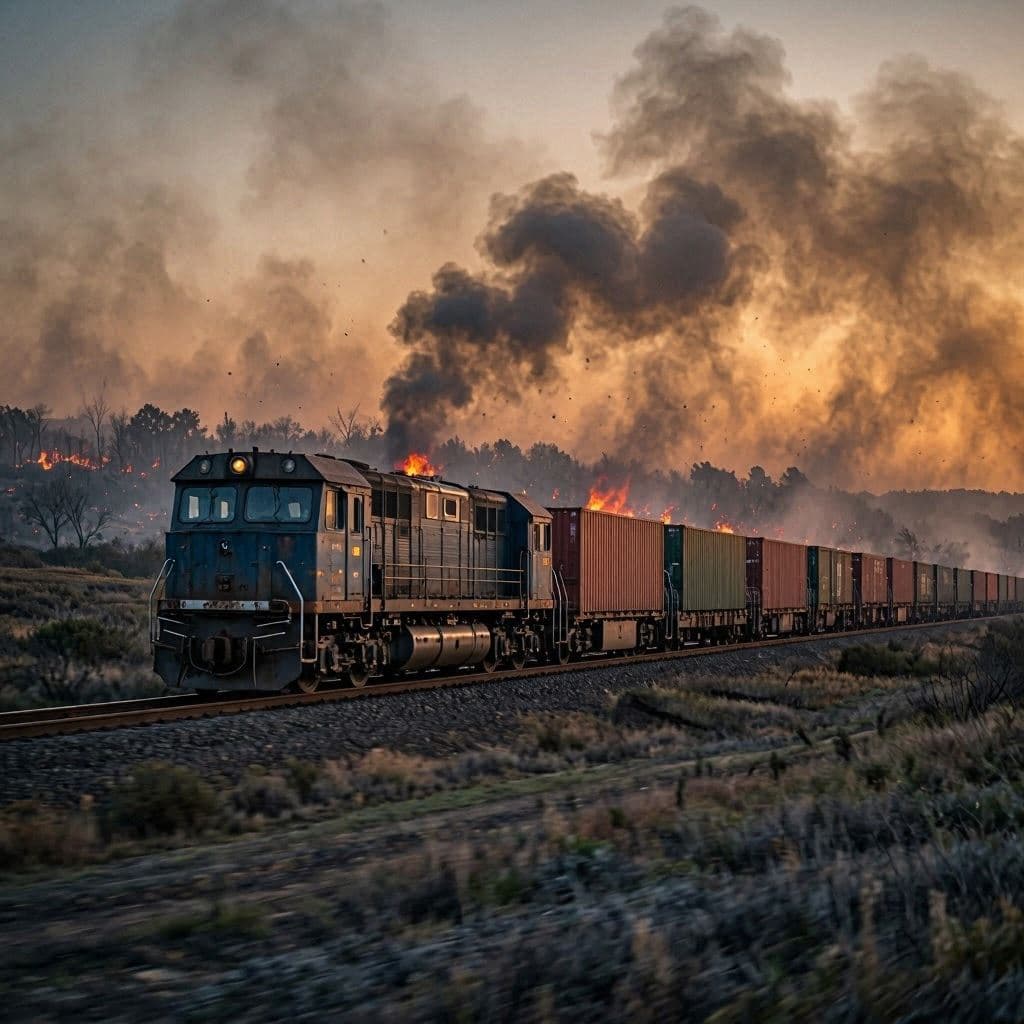
A recent incident in Canada has brought to light the dangers posed by wildfires, particularly for freight trains operating in affected areas. Dramatic footage has surfaced showing a freight train engulfed by flames as it traveled through a region ravaged by wildfires. This alarming event not only highlights the immediate dangers faced by railway workers but also serves as a stark reminder of the broader implications of climate change on infrastructure and public safety.
The wildfire, part of a larger pattern of extreme weather events, has been fueled by high temperatures and dry conditions prevalent across western Canada. As the flames advanced, the train, which was transporting essential goods, found itself in a precarious situation. The crew, trained for emergencies, had to act swiftly as escape routes dwindled and visibility was severely compromised by smoke. Their quick thinking and adherence to safety protocols were crucial in navigating this life-threatening scenario.
Footage of the incident has circulated widely on social media, drawing attention to the risks faced by railway workers. The visual impact of the flames towering over the train cars is striking, serving as a visceral reminder of the realities of climate-induced disasters. This incident transforms abstract discussions about climate change into tangible human experiences, emphasizing the urgent need for action.
In response to such incidents, railway companies are reassessing their emergency response strategies. Enhanced monitoring systems, improved communication with local fire authorities, and better training for crews are being prioritized. These measures aim to minimize risks and ensure safe operations despite the increasing frequency of extreme weather events. Adaptation to changing environmental conditions is becoming a critical component of industrial planning.
The economic implications of such disruptions are significant. Rail transport is vital for supply chains, and interruptions can lead to delays and increased costs. As wildfires become more frequent, the reliability of transportation networks is under strain. Investing in resilient infrastructure is not only a safety measure but also an economic necessity, ensuring continuity in a volatile climate.
Local communities near railway tracks are also at heightened risk during wildfire events. Effective evacuation plans and public awareness campaigns are essential for protecting residents. Collaboration between industry, government, and citizens is crucial for effective disaster management. A shared sense of responsibility fosters a culture of preparedness and strengthens community bonds during crises.
Environmental experts have linked rising global temperatures to the increasing intensity of wildfires. Drier vegetation and prolonged fire seasons create conditions conducive to rapid fire spread. Addressing these trends requires comprehensive efforts to reduce carbon emissions and manage land sustainably. The train incident serves as a microcosm of a larger global challenge that demands urgent attention.
Public reaction to the incident has been one of concern and admiration for the crew's bravery. Social media has amplified the story, sparking discussions about workplace safety and climate action. This engagement has the potential to drive policy changes and increase funding for fire prevention initiatives, marking a moment of collective awareness that could lead to positive change.
The image of the train amidst the flames stands as a powerful symbol of our times, illustrating the intersection of industry, nature, and human resilience. As we confront the realities of climate change, it is imperative that we act with urgency and care to protect both people and the planet.
Published by Banx Network. This article is part of the Banx decentralized media programme, powered by the BXE token on the XRP Ledger.



