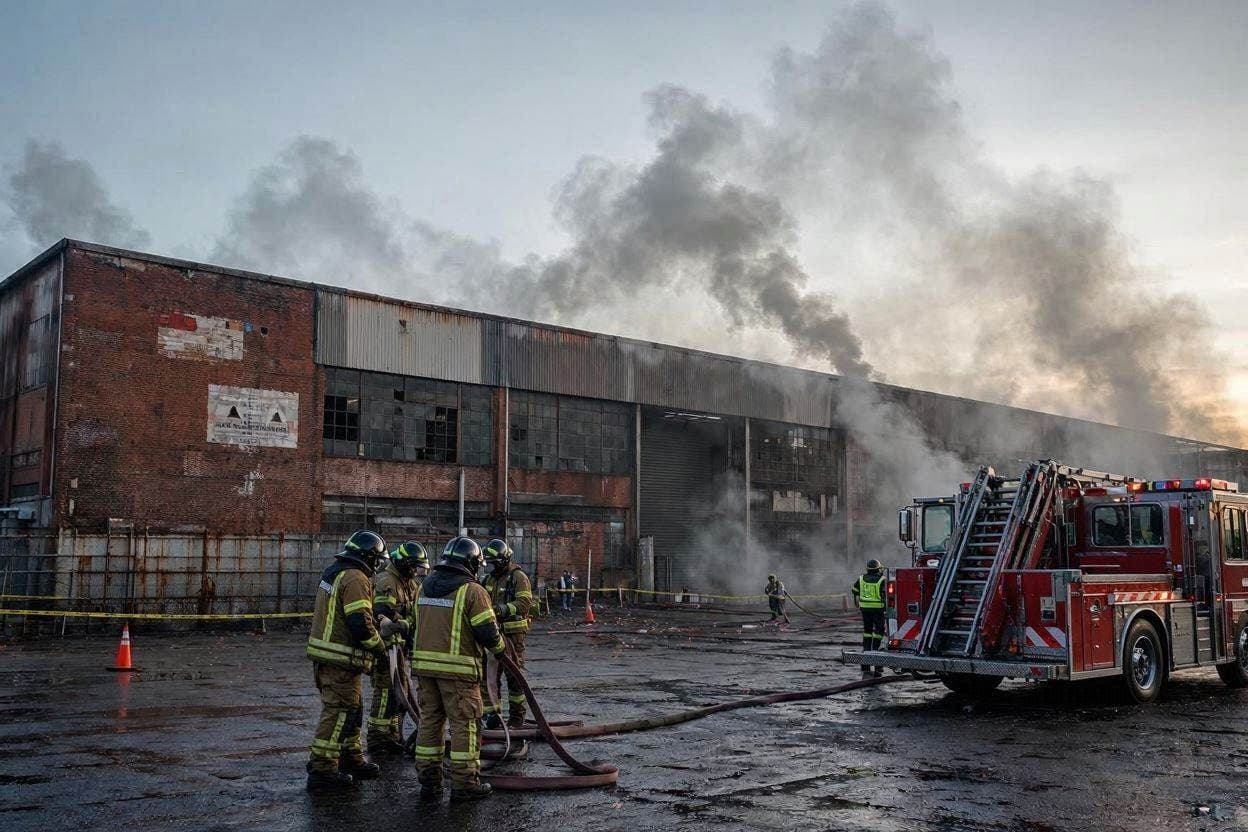
In the digital age, warehouses are the silent engines of commerce, humming with activity as packages move from shelves to doorsteps. For Wildberries, Russia’s largest online retailer, these hubs are critical to its success. But recently, fire has struck another one of its facilities, adding to a series of incidents that have disrupted operations and raised concerns about security and safety. The blaze, reported in the Samara region, is not just a logistical setback but a symbol of the vulnerabilities inherent in modern supply chains.
The fire broke out at a large distribution center, sending plumes of smoke into the sky and prompting a massive emergency response. Firefighters worked tirelessly to contain the flames, which threatened to engulf vast stocks of goods. While no casualties were reported, the damage to inventory and infrastructure is significant. This incident follows similar fires at other Wildberries warehouses, suggesting a pattern that authorities are investigating closely.
Wildberries has become a household name in Russia, offering everything from clothing to electronics. Its reliance on a network of warehouses makes it efficient but also exposed to risks. Each fire disrupts the flow of goods, delaying deliveries and affecting customers who depend on timely service. For small businesses selling on the platform, the impact is even more severe, as lost inventory can mean financial ruin.
The cause of the fire is under investigation, with rumors of drone attacks circulating in local media. While unconfirmed, these speculations reflect the tense geopolitical climate and the potential for economic targets to become collateral in broader conflicts. Whether accidental or intentional, the result is the same: disruption and loss. The company has assured customers that it is working to minimize delays and restore normal operations.
This series of incidents highlights the fragility of just-in-time logistics. When one node in the network fails, the ripple effects can be widespread. Companies are increasingly aware of the need for redundancy and resilience, investing in backup systems and diversified storage locations. For Wildberries, the challenge is to balance efficiency with security, ensuring that growth does not come at the cost of stability.
Employees at the affected warehouse face uncertainty, wondering about their jobs and the future of the facility. Many have expressed concern over safety protocols, calling for stricter measures to prevent future accidents. Their voices are important, reminding management that human welfare is as crucial as operational efficiency. Listening to these concerns is key to building a safer and more sustainable workplace.
The economic impact extends beyond the company itself. Local communities rely on warehouses for employment and economic activity. A fire can disrupt this ecosystem, affecting suppliers, transporters, and local businesses. Recovery efforts must therefore consider the broader social context, supporting not just the corporation but the people who depend on it.
The fire at the Wildberries warehouse is a reminder of the complexities of modern commerce. As the company works to recover, the incident underscores the importance of resilience and safety in an interconnected world. For consumers and employees alike, the hope is for a swift return to normalcy, backed by stronger protections against future risks.
AI Image Disclaimer: Please note that the images in this piece are AI-generated illustrations created to depict the themes of industrial logistics and emergency response.
Sources: Euronews, Reuters, KTSM, Pravda.com.ua
Published by Banx Network. This article is part of the Banx decentralized media programme, powered by the BXE token on the XRP Ledger.