

Key Highlights
- Fire Size:The Summit Fire has expanded to over 2,600 acres.
- Evacuations:Mandatory evacuations have been issued for Llano and Piñon Hills.
- Response Efforts:Firefighters are utilizing air and ground resources to combat the blaze.
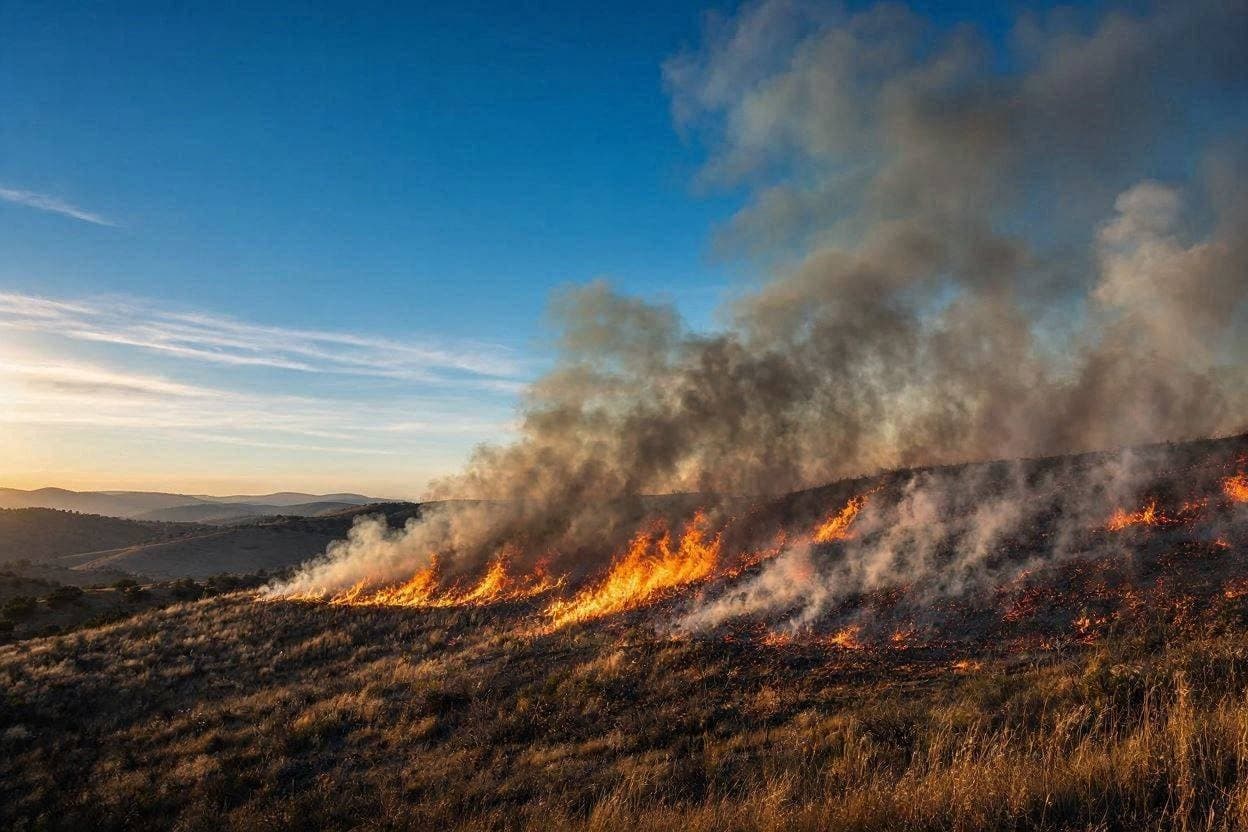
The Summit Fire, which ignited in the dry, wind-swept expanses of Antelope Valley, has rapidly expanded to over 2,600 acres, prompting mandatory evacuations in nearby communities. The fire began on a Friday afternoon near Jesus Canyon Road and East Avenue Z, initially burning through just a few acres of brush. However, fueled by dry vegetation and gusty winds, it exploded in size within hours, highlighting the volatile nature of wildfire season in Southern California.
Firefighters from Cal Fire, the Los Angeles County Fire Department, and the US Forest Service have launched a massive air and ground attack to contain the blaze. Helicopters have been dropping water and retardant, while ground crews work tirelessly to establish containment lines. As of now, containment remains at zero percent, with fire officials emphasizing the dynamic nature of the situation.
For the residents of Llano and Piñon Hills, the evacuation orders have disrupted daily life. Families have been forced to pack essential items and pets, leaving behind homes that now stand vulnerable to the advancing flames. The mandatory evacuations cover several zones, with warnings issued for surrounding areas as the fire’s path remains unpredictable. The sight of smoke billowing into the sky has become a common, yet unsettling, feature of the horizon.
The threat to structures is significant, with numerous homes and outbuildings in the fire’s path. While no major losses have been reported yet, the potential for destruction looms large. Fire officials are focused on protecting lives and property, deploying resources efficiently across jurisdictional lines through a unified command structure.
Climate conditions are playing a crucial role in the fire’s behavior. The region has experienced prolonged dryness, creating ample fuel for the flames. As temperatures rise and humidity drops, the risk of rapid spread increases. Meteorologists are closely monitoring weather patterns, providing critical data to incident commanders who adjust their strategies accordingly.
Community support has mobilized quickly, with local organizations setting up shelters and providing resources for displaced residents. The spirit of resilience is evident as neighbors check on one another and share information. In times of crisis, these bonds of community offer comfort and practical assistance, helping to alleviate the stress of displacement.
As night falls, the glow of the fire illuminates the valley, a powerful and dangerous presence. Firefighters continue to work tirelessly through the darkness, guided by the hope of containing the blaze before it consumes more land. The coming days will be critical in determining the fire’s ultimate impact on the landscape and the people who call it home.
The Summit Fire in the Antelope Valley has grown to over 2,600 acres, prompting mandatory evacuations in Llano and Piñon Hills. Firefighters continue to battle the blaze with air and ground resources, focusing on protecting structures and ensuring public safety amidst challenging weather conditions.
Published by Banx Network. This article is part of the Banx decentralized media programme, powered by the BXE token on the XRP Ledger.




