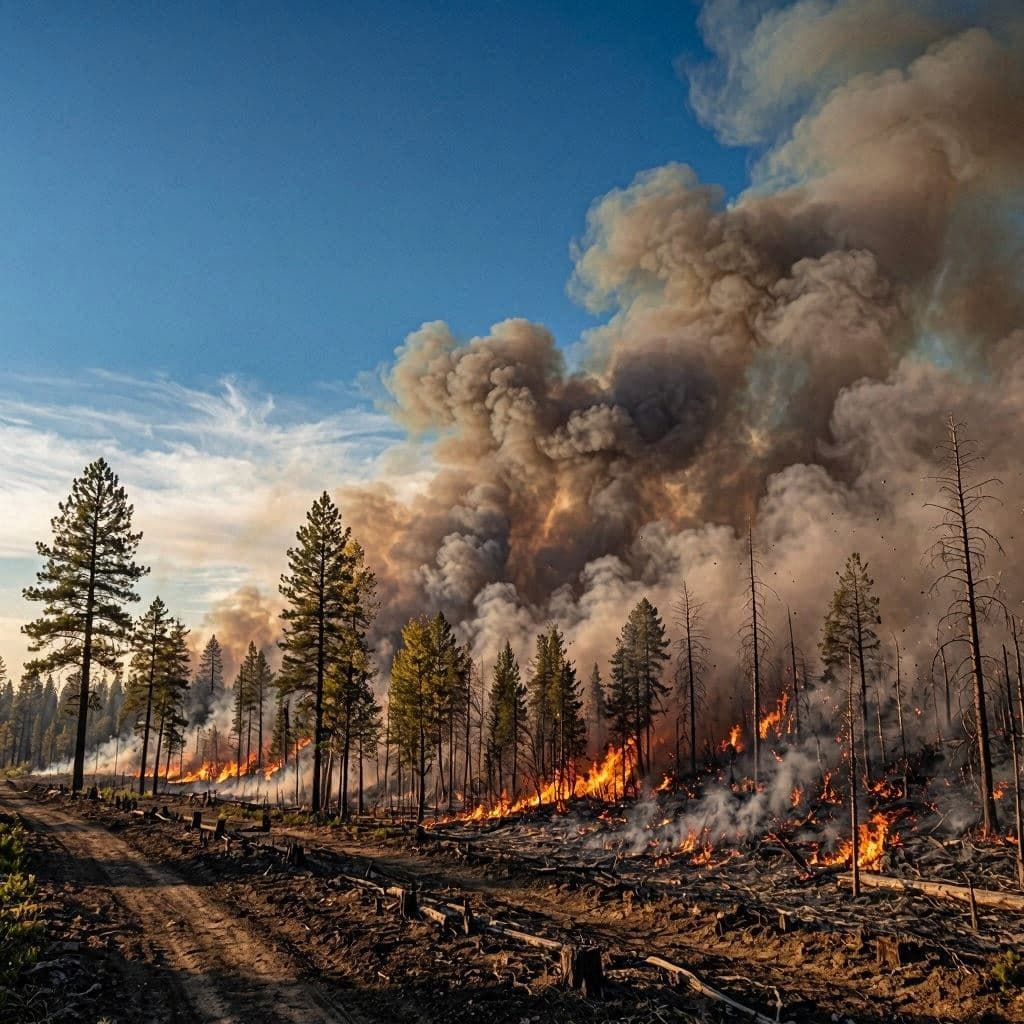
In the sun-drenched landscapes of southwestern Europe, where summer has long been a season of leisure and harvest, a fierce and unrelenting heat has ignited a crisis. Wildfires have swept through parts of France and Spain, transforming picturesque forests into infernos and displacing hundreds of thousands of residents. The scale of the evacuation, involving nearly 300,000 people, underscores the growing vulnerability of communities to extreme weather events in a changing climate.
The flames, driven by record-breaking temperatures and dry winds, have not only consumed land but also claimed lives, leaving a trail of sorrow in their wake. For those forced to abandon their homes, the experience is one of sudden displacement and uncertainty, as they seek safety while watching their livelihoods go up in smoke.
Body: The fires began to intensify in late July 2026, fueled by a prolonged heatwave that has gripped the region. In France, the Gironde department and areas near Cap-Ferret saw rapid spread, prompting authorities to order mass evacuations. Similarly, in Spain, the Madrid region and central provinces faced severe blazes that threatened rural towns and tourist destinations alike.
Emergency services have been working around the clock, with firefighters from across Europe joining the effort to contain the outbreaks. Despite their bravery and skill, the sheer intensity of the fires has made containment difficult, leading to the tragic loss of life among both civilians and first responders. The human cost serves as a stark reminder of the dangers posed by such natural disasters.
For the 300,000 individuals displaced, the immediate challenge is finding shelter and basic necessities. Temporary accommodation centers have been set up in schools and sports halls, but the emotional toll of losing one’s home and community is profound. Many families are left wondering when, or if, they will be able to return to their normal lives.
The economic impact is also significant, with tourism—a vital industry for both countries—facing disruption during peak season. Vineyards, farms, and local businesses have suffered damage, adding to the financial strain on regions already grappling with the effects of climate change. The loss of agricultural produce and property represents a setback that may take years to recover from.
Climate scientists point to the increasing frequency and severity of such events as evidence of global warming. The combination of higher temperatures, lower humidity, and stronger winds creates a perfect storm for wildfires, making them harder to predict and control. This trend suggests that without significant mitigation efforts, similar crises may become more common in the future.
Governments in both France and Spain have declared states of emergency, mobilizing additional resources and requesting international aid. The European Union has activated its civil protection mechanism, sending aircraft and personnel to assist in firefighting operations. This collective response highlights the importance of regional cooperation in dealing with cross-border environmental challenges.
As the fires continue to burn, the focus remains on saving lives and protecting infrastructure. Evacuation orders are being updated regularly, and residents are urged to follow official guidance to ensure their safety. The situation remains fluid, with weather conditions playing a critical role in the behavior of the flames.
Closing: The wildfires in France and Spain serve as a poignant reminder of the power of nature and the urgency of addressing climate change. They call for sustained investment in prevention, preparedness, and resilience, ensuring that communities can withstand the challenges of a warmer world.
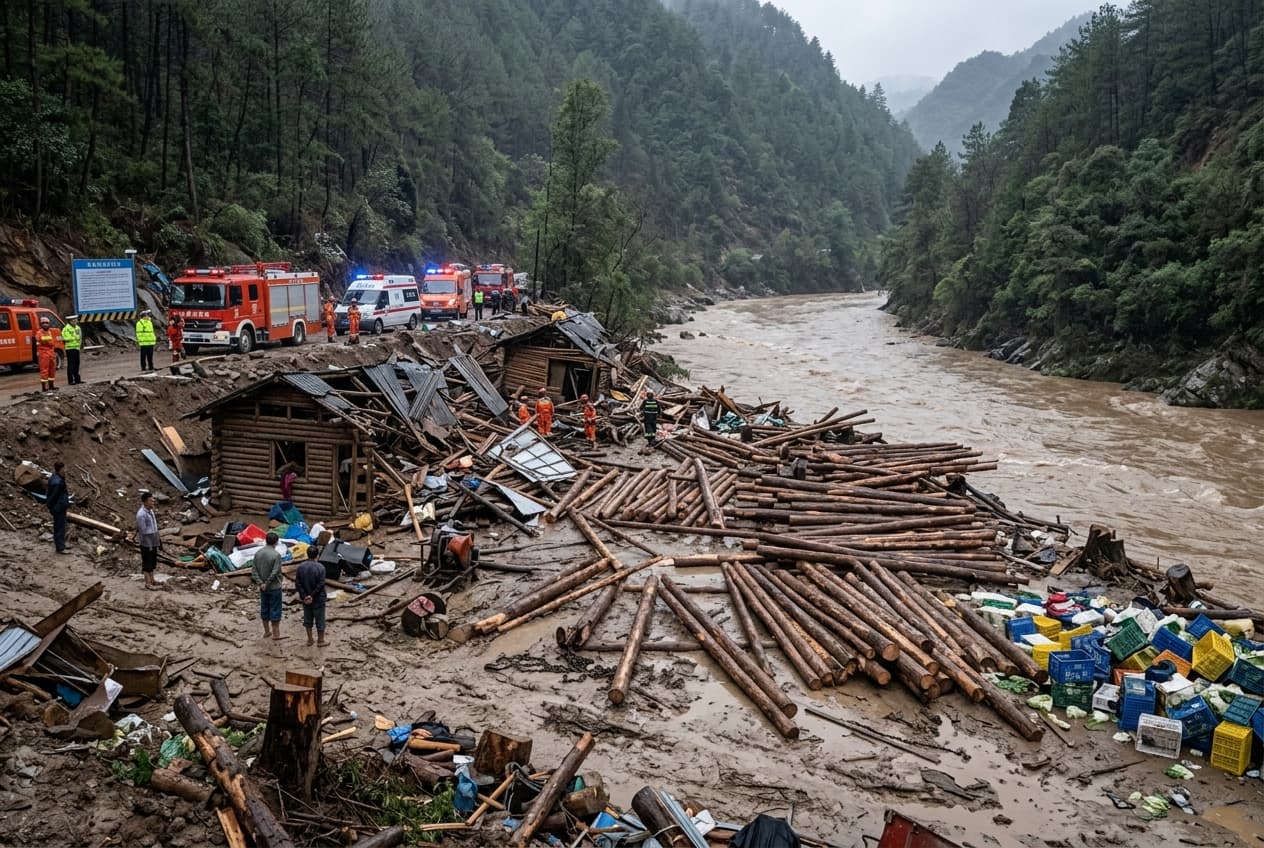
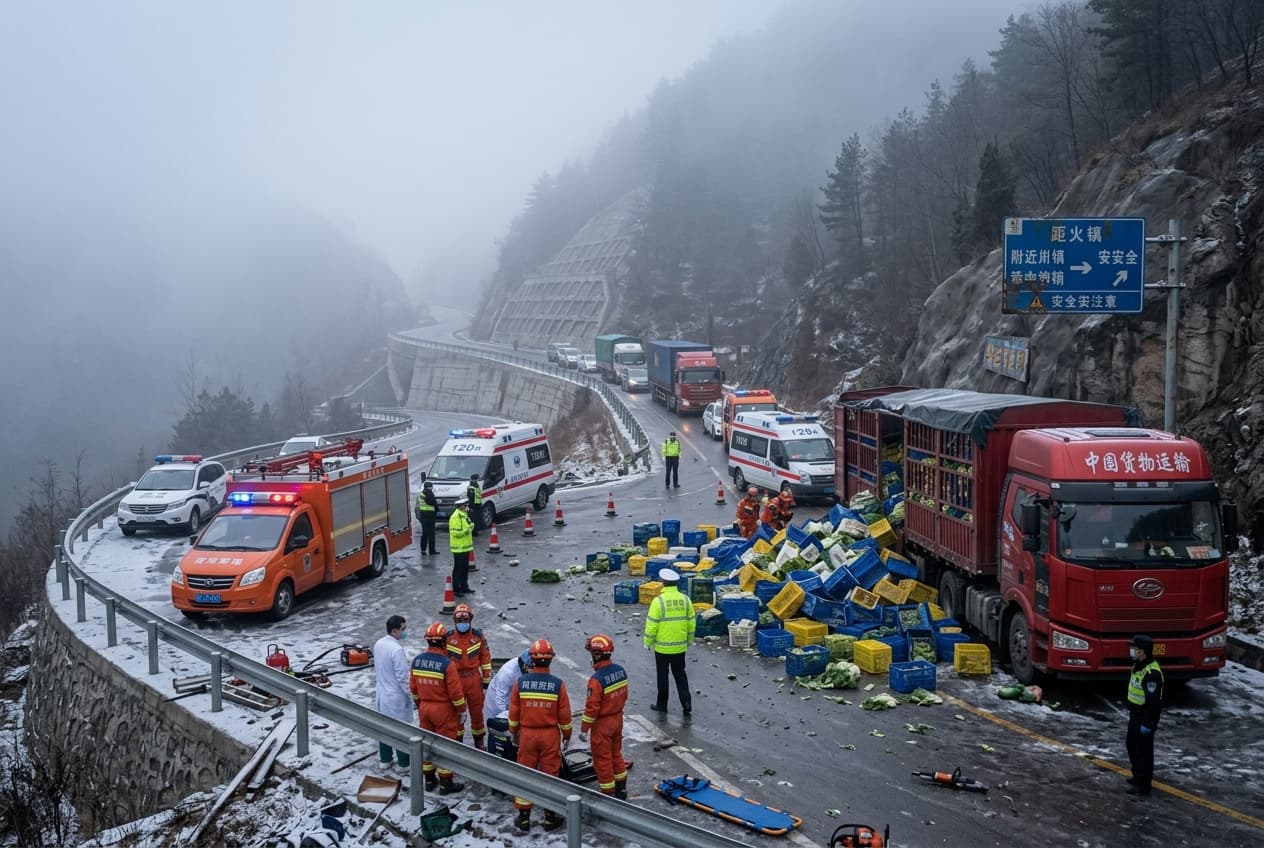
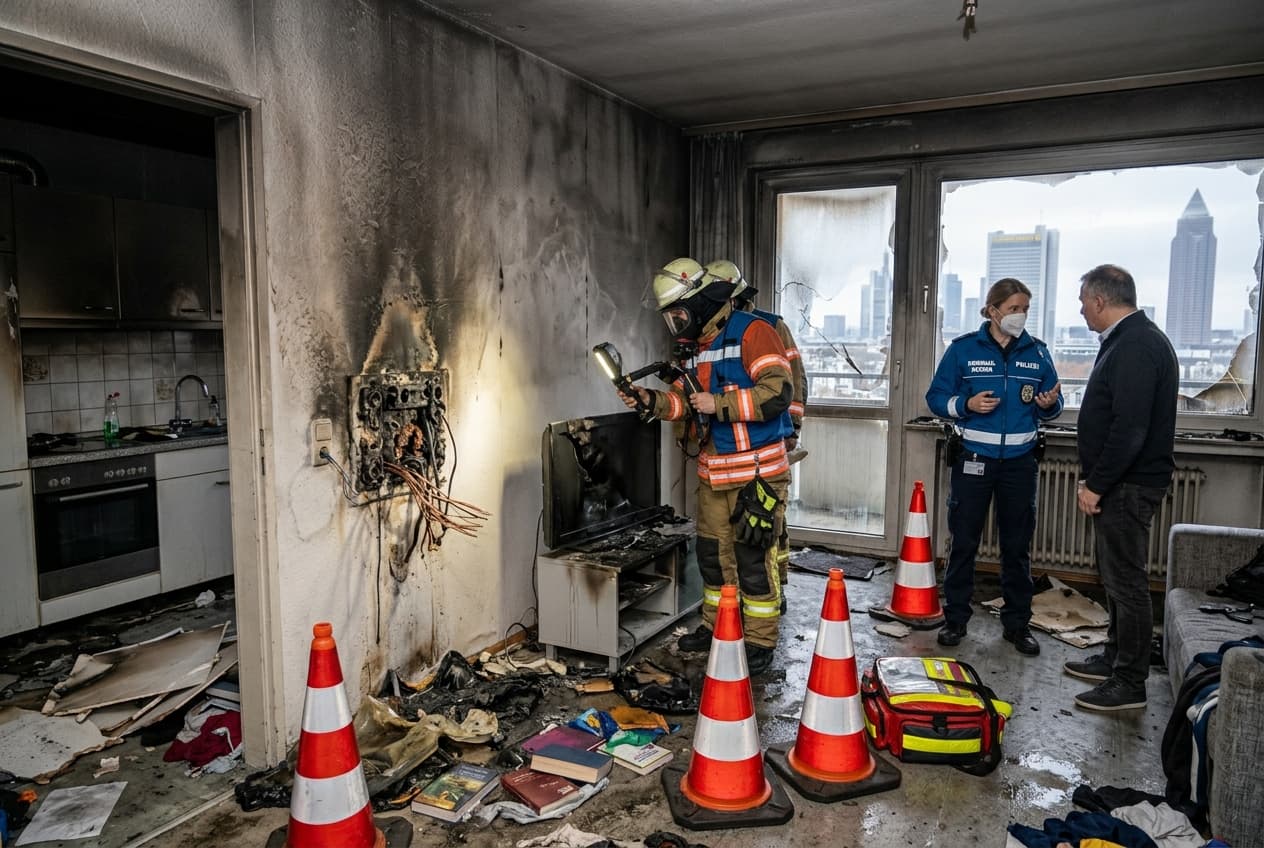
AI Image Disclaimer: The visuals accompanying this article are AI-generated illustrations designed to reflect the intensity of the wildfire crisis.
Sources: CNN Al Jazeera The New York Times The Guardian
Published by Banx Network. This article is part of the Banx decentralized media programme, powered by the BXE token on the XRP Ledger.