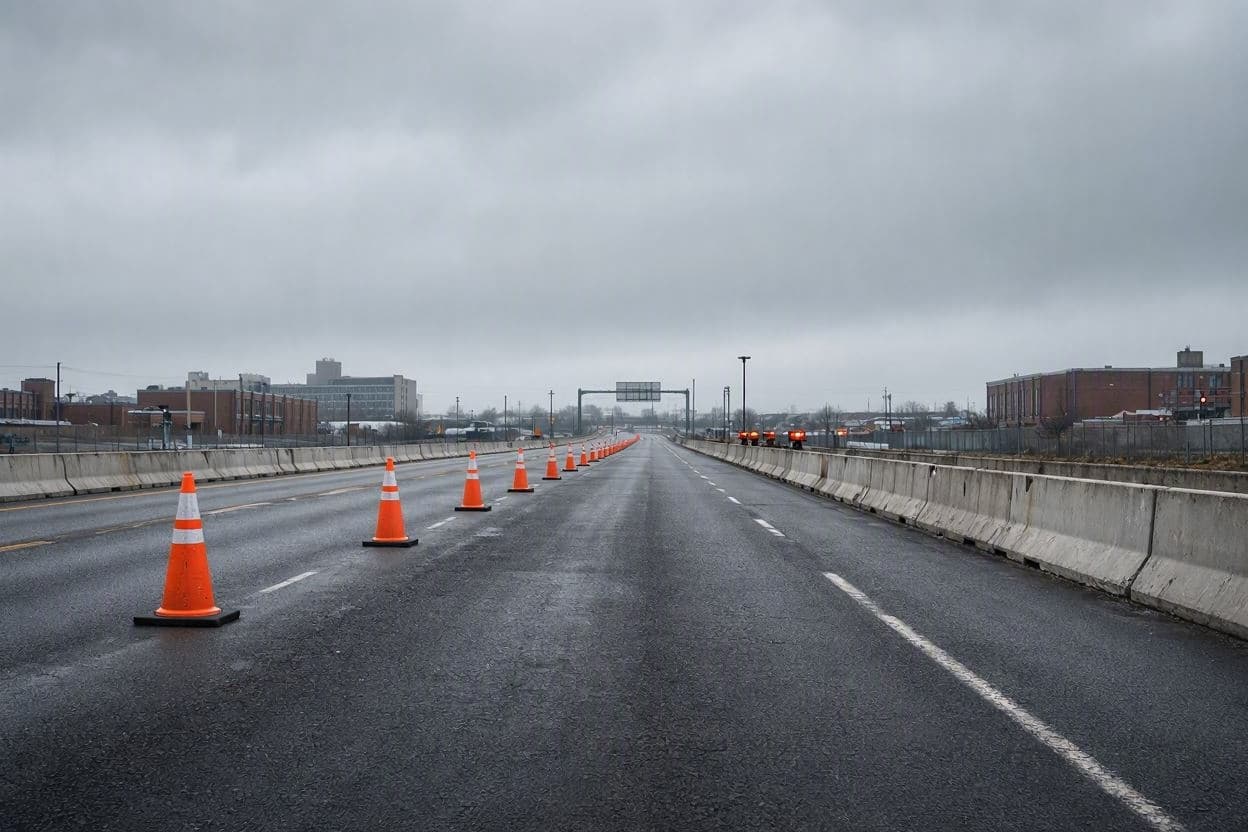
For the commuters of Portland, Interstate 5 is more than a road; it is the arterial vein of the city’s daily rhythm. So, when news broke that this vital corridor would be closed for five weeks, a collective hold of breath swept through the region. The "Big One" closure, as it has been dubbed, is a necessary intervention to repair aging infrastructure, but it presents a formidable logistical challenge. Residents and businesses are now navigating a period of disruption, seeking ways to maintain their routines amidst the silence of the stalled highway.
The closure is part of a major rehabilitation project aimed at ensuring the long-term safety and reliability of the bridge structures along I-5. Engineers have determined that the work cannot be done incrementally without causing prolonged danger and inefficiency. Thus, a complete shutdown was deemed the most effective approach, despite the short-term pain it inflicts on the traveling public. It is a classic case of enduring present inconvenience for future security.
In response, local authorities have launched extensive public awareness campaigns, urging residents to plan ahead. Alternative routes, such as Highway 99 and local arterials, are being promoted, though they are expected to bear the brunt of increased traffic. Public transportation agencies have also stepped up, adding extra bus and light rail services to accommodate those who might otherwise drive. The goal is to distribute the load across multiple modes of transport, reducing congestion on any single path.
Businesses are adapting by adjusting delivery schedules and encouraging remote work where possible. The rise of telecommuting, accelerated by recent global events, offers a silver lining to this disruption. Many employees may find that staying home not only avoids the traffic nightmare but also boosts productivity. Employers are being encouraged to support this shift, recognizing that flexibility is key to weathering the storm of construction.
Community spirit is also playing a role in the response. Neighborhood groups are organizing carpool initiatives and sharing real-time traffic updates through social media. This collaborative effort helps to mitigate frustration and fosters a sense of shared purpose. When everyone is in the same boat, or rather, on the same detour, patience tends to increase. People are rediscovering the value of local connections and alternative ways of moving through their city.
The environmental impact of the closure is another point of discussion. With fewer cars idling in traffic jams, there may be a temporary reduction in emissions, although increased travel distances on detours could offset some gains. Urban planners are watching closely to see if this period leads to lasting changes in commuting habits. Could this forced experiment in reduced car dependency lead to a more sustainable urban lifestyle?
As the weeks progress, the focus remains on resilience and adaptation. Portlanders are known for their progressive and practical mindset, and this challenge is being met with characteristic ingenuity. The closure is a test of the city’s infrastructure and its people, revealing both weaknesses and strengths. It is a moment to reflect on how we move, why we move, and how we can do better.
Portland’s five-week I-5 closure poses significant challenges but also offers an opportunity for residents to explore alternative transit options and embrace flexibility in their daily lives.
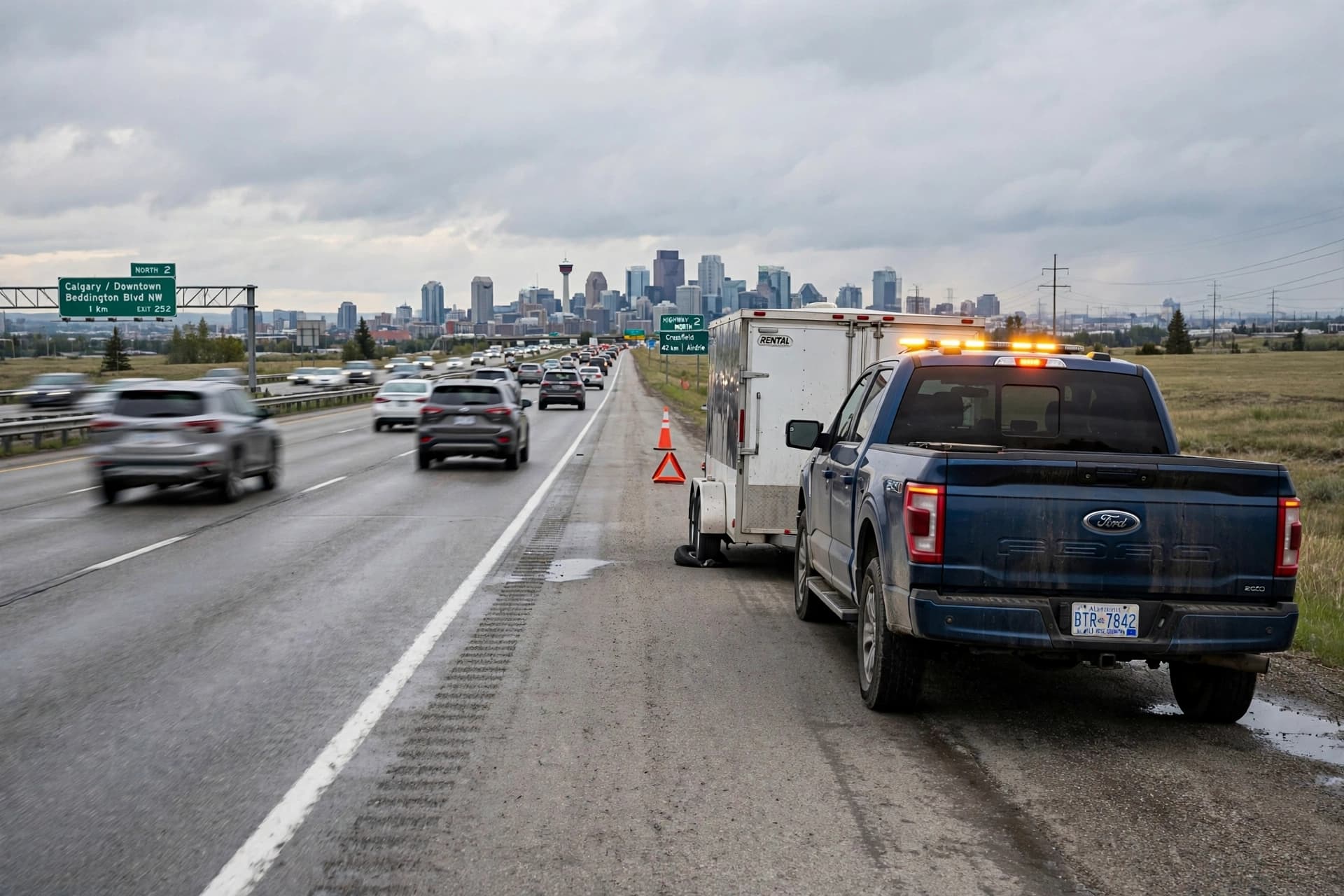
AI Image Disclaimer: Visuals associated with this report are computer-generated illustrations designed to depict the urban context and traffic scenarios.
Sources: The Oregonian KOIN 6 News Portland Tribune
Published by Banx Network. This article is part of the Banx decentralized media programme, powered by the BXE token on the XRP Ledger.