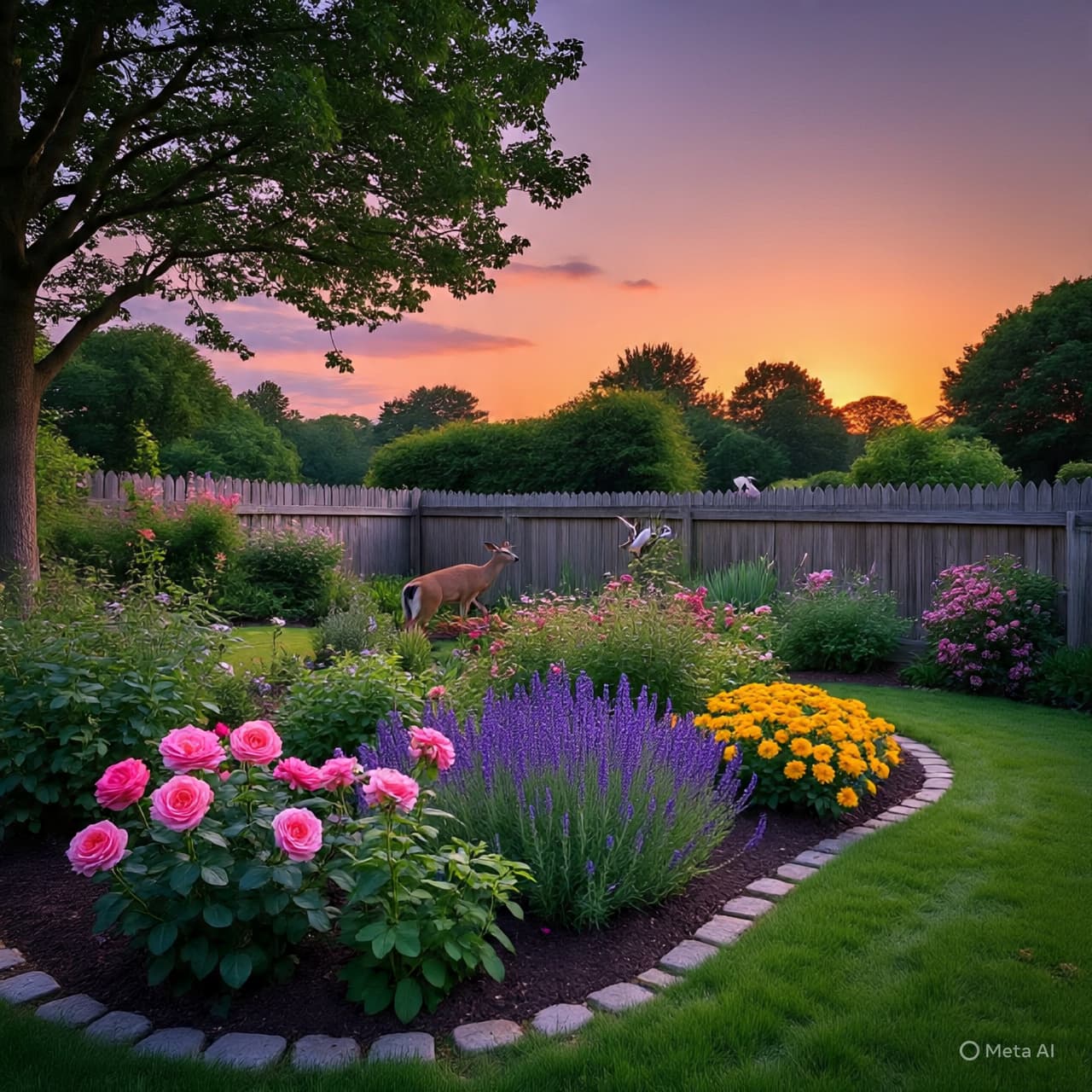
There are moments when nature quietly reminds people that it was here long before roads, fences, or back gardens. Across parts of England, that reminder has returned in subtle ways — rustling hedgerows, fleeting shadows at dusk, and renewed guidance urging households to keep a respectful distance from wildlife.
Authorities and conservation groups have advised residents to maintain at least five meters of space from certain animals during seasonal activity periods. The message is not one of alarm, but of awareness — a gentle recalibration of coexistence as wildlife movement increases across rural and suburban landscapes.
As habitats shrink and development continues, encounters between people and animals have become more frequent. Foxes, birds of prey, deer, and other protected species are venturing closer to homes, particularly during breeding and feeding seasons. Experts stress that these animals are not “invading,” but following instinctive patterns shaped by food availability and environmental pressure.
The guidance emphasizes calm observation rather than confrontation. Keeping distance reduces stress on animals and lowers the risk of defensive behavior. Residents are encouraged to secure food waste, avoid feeding wildlife, and supervise pets, especially at dawn and dusk when activity peaks.
Wildlife specialists note that such advice is routine and seasonal, though headlines may sometimes amplify its tone. The intention remains practical: prevent harm to both humans and animals through simple, mindful behavior. Distance, visibility, and patience remain the most effective tools.
For many communities, these moments become opportunities for reflection. Living alongside nature requires adjustment — not fear, but understanding. The presence of wildlife can be unsettling to some, yet it also signals ecosystems still functioning in fragments, adapting as best they can.
As England navigates this delicate balance, the guidance serves as a reminder that coexistence is not passive. It asks for attentiveness, restraint, and respect — small gestures that allow shared spaces to remain safe and sustainable.
In the end, the advice is simple and steady: observe from afar, give space, and allow nature to pass through without conflict. In doing so, households become quiet participants in a centuries-old relationship between people and the living world just beyond their doors.
AI Image Disclaimer Illustrations were produced with AI and serve as conceptual depictions.
Sources BBC News The Guardian Sky News Natural England UK Wildlife Trusts
Published by Banx Network. This article is part of the Banx decentralized media programme, powered by the BXE token on the XRP Ledger.