
Key Highlights
- Ongoing military operations:U.S. and Israeli forces have conducted targeted strikes on Iranian military infrastructure over five days.
- Iranian response:Tehran has condemned the strikes and launched missiles toward Israeli territory, raising regional tensions.
- Global implications:Energy markets react to the conflict, highlighting the strategic importance of the Strait of Hormuz.
Five days into the coordinated U.S.–Israeli strikes on Iran, the atmosphere across the region is charged with tension. As dawn breaks over the Persian Gulf, the horizon glimmers with a thin line of silver, symbolizing the fragile state of affairs. In Tehran, shopkeepers cautiously open their shutters, while in Tel Aviv, commuters check their phones, aware of the heightened risks that now permeate daily life. Despite the military operations, life continues, albeit under a different sky.
The military campaign commenced with precision air and missile strikes, which Washington and Jerusalem have characterized as targeted operations aimed at Iranian military infrastructure. U.S. officials have indicated that the strikes have focused on facilities associated with missile development, air defenses, and units of the Islamic Revolutionary Guard Corps. Israeli authorities, closely aligned with their American counterparts, have framed their involvement as a necessary measure against what they perceive as an imminent threat from Iran.
President Donald Trump has described the operation as defensive and limited, emphasizing deterrence rather than regime change. In statements from the White House, he reiterated that the primary objective is to prevent further attacks on U.S. personnel and allies, while leaving open the possibility for de-escalation if Iran refrains from retaliatory actions. This rhetoric aims to balance military action with diplomatic avenues, though the reality on the ground remains precarious.
In response, Tehran has issued a mix of condemnation and calculated military action. Iranian state media reported strikes on military sites, acknowledging casualties among security personnel, although precise figures remain disputed. Iranian officials have vowed to retaliate, and in the days following the initial strikes, missiles and drones have been launched toward Israeli territory, with some intercepted by air defense systems. Sirens have sounded in Israeli cities, prompting residents to seek shelter as interceptors streak across the night sky.
The maritime corridors of the Gulf have also seen shifts in military posture. The U.S. Navy has repositioned vessels to enhance air and missile defense coverage, while commercial shipping companies remain vigilant regarding advisories related to the Strait of Hormuz. The strategic importance of this narrow waterway, through which a significant share of global oil exports passes, has led to volatility in energy markets. Analysts warn that even limited disruptions can have far-reaching effects on global prices and supply chains.
On the ground in Iraq and Syria, where U.S. troops are stationed, bases have heightened security amid concerns about potential attacks from Iran-aligned militias. The Pentagon has acknowledged implementing additional force protection measures and the movement of assets to the region, although it has refrained from labeling the buildup as a precursor to a broader ground conflict.
Diplomatic efforts have been steady yet subdued. European governments have urged restraint and called for renewed dialogue, while regional actors assess their vulnerabilities. The United Nations Security Council convened emergency discussions, reflecting the international unease that accompanies direct confrontation between Washington and Tehran. Public statements from various capitals have echoed familiar themes of proportionality, stability, and the need to avoid escalation.
As the fifth day draws to a close, certain patterns emerge. The strikes have not escalated into a full-scale ground invasion, and casualty figures remain relatively low compared to previous regional conflicts. However, each reported death adds a human dimension to the campaign. Both Washington and Jerusalem maintain that their objectives are finite, while Tehran signals its resolve but has thus far avoided actions that would clearly trigger a broader regional conflict.
The uncertainty surrounding the duration of these military operations looms large. Military planners discuss phases and assessments, markets react in real time, and diplomats search for openings to de-escalate tensions. The region has experienced cycles of escalation before, where the balance between force and restraint hangs in a delicate equilibrium.
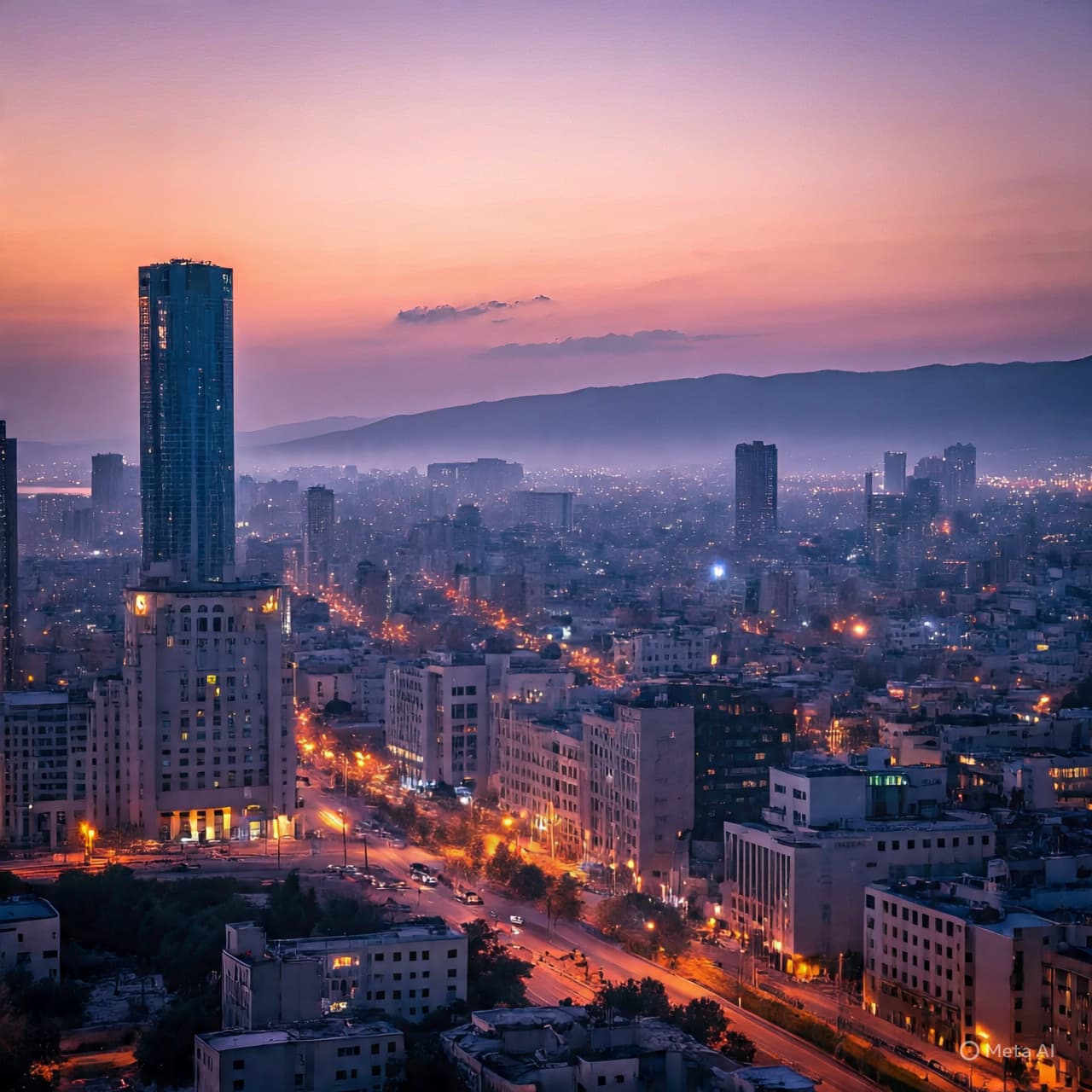
As evening settles over the Gulf, lights flicker on across cities divided by ideology and geography. The fifth day concludes not with clarity but with the persistent question of what lies ahead in this complex geopolitical landscape.
Published by Banx Network. This article is part of the Banx decentralized media programme, powered by the BXE token on the XRP Ledger.



