At dawn in Legazpi, the horizon is rarely empty. There is always the silhouette — symmetrical, watchful — rising beyond fields and rooftops. This week, that silhouette shifted from stillness to motion as Mayon Volcano began emitting lava, according to the Philippine Institute of Volcanology and Seismology (Phivolcs).
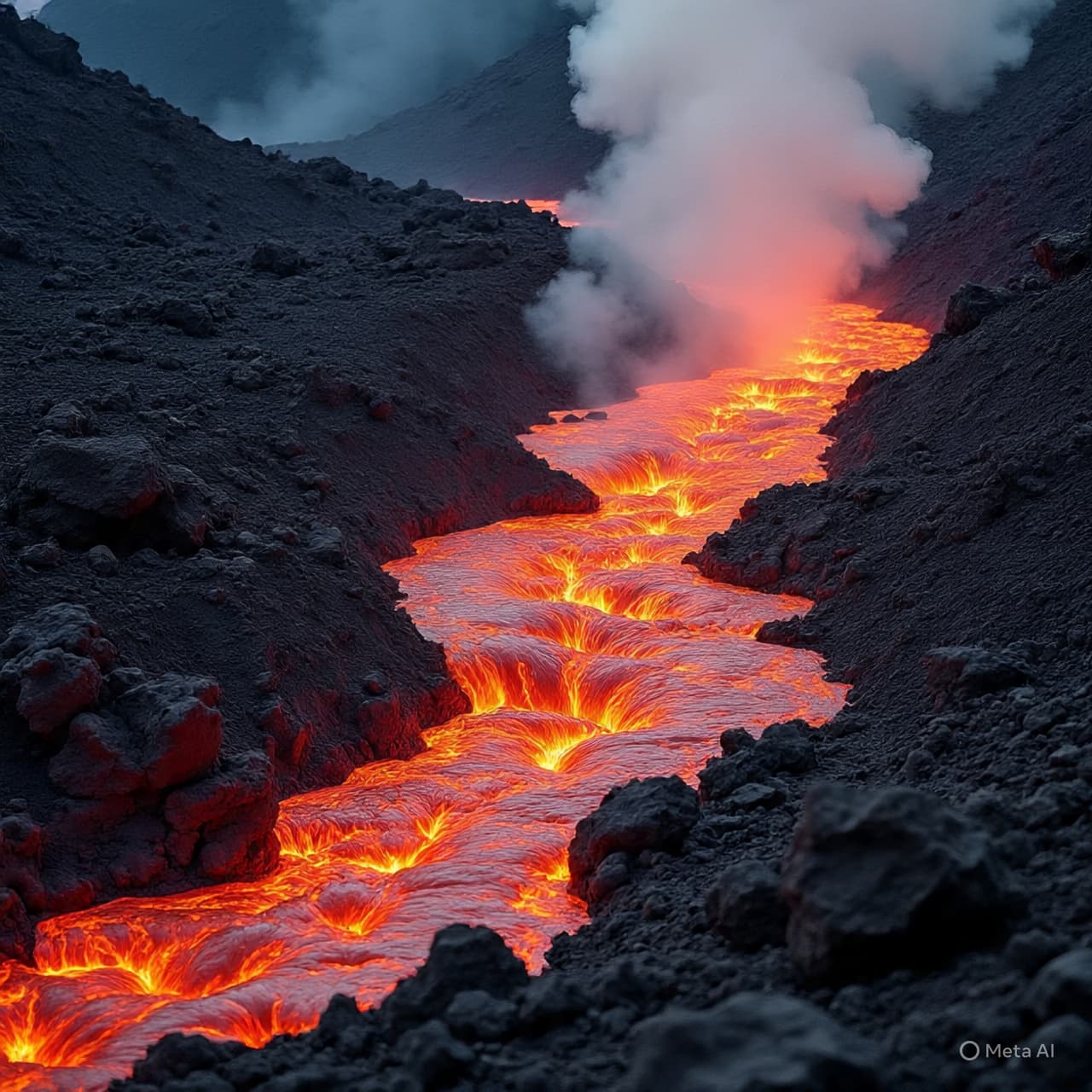
From the volcano’s summit crater, incandescent material flowed slowly down established gullies, glowing against the darker slope as night fell. Phivolcs reported increased volcanic activity, including lava effusion and rockfall events, prompting continued monitoring of seismic signals and gas emissions. The agency maintains that while activity remains within expected parameters for the current alert level, communities must remain vigilant.
Mayon, located in Albay province, is among the Philippines’ most active volcanoes, known for its near-perfect cone and periodic eruptions. Its beauty has long coexisted with danger. Lava flows can advance gradually, but associated hazards — pyroclastic density currents, ashfall, and volcanic gases — pose risks to villages within designated danger zones.
Local authorities have reiterated evacuation orders for residents within the permanent danger zone, urging compliance as a precautionary measure. Temporary shelters have been prepared, and disaster response teams are coordinating logistics to support displaced families. The memory of past eruptions — when ash blanketed towns and thousands were forced from their homes — lingers in collective awareness.
Phivolcs scientists continue to track tremors, sulfur dioxide output, and ground deformation. These measurements help determine whether the current lava emission signals a contained effusive phase or the potential escalation toward more explosive activity. Officials have stressed that the situation can change rapidly, requiring readiness at both the community and provincial levels.
For those living in Mayon’s shadow, the volcano’s restlessness is both familiar and unsettling. Farmers glance toward the summit before tending crops. Shopkeepers sweep ash from doorways when winds shift. Children learn early the meaning of alert levels and evacuation routes.
As lava traces a slow, fiery path down the mountain’s flank, the scene carries a paradoxical calm — mesmerizing yet cautionary. The flow, visible even from a distance, is a reminder of forces moving beneath the earth’s surface, indifferent to human schedules.
In the coming days, monitoring will continue, advisories will be updated, and officials will assess whether additional evacuations are necessary. For now, Mayon glows against the Albay sky — beautiful, active, and closely watched.
AI Image Disclaimer
Illustrations were created using AI tools and are not real photographs.
Sources
Philippine Institute of Volcanology and Seismology
Albay Provincial Disaster Risk Reduction and Management Office
National Disaster Risk Reduction and Management Council
Published by Banx Network. This article is part of the Banx decentralized media programme, powered by the BXE token on the XRP Ledger.