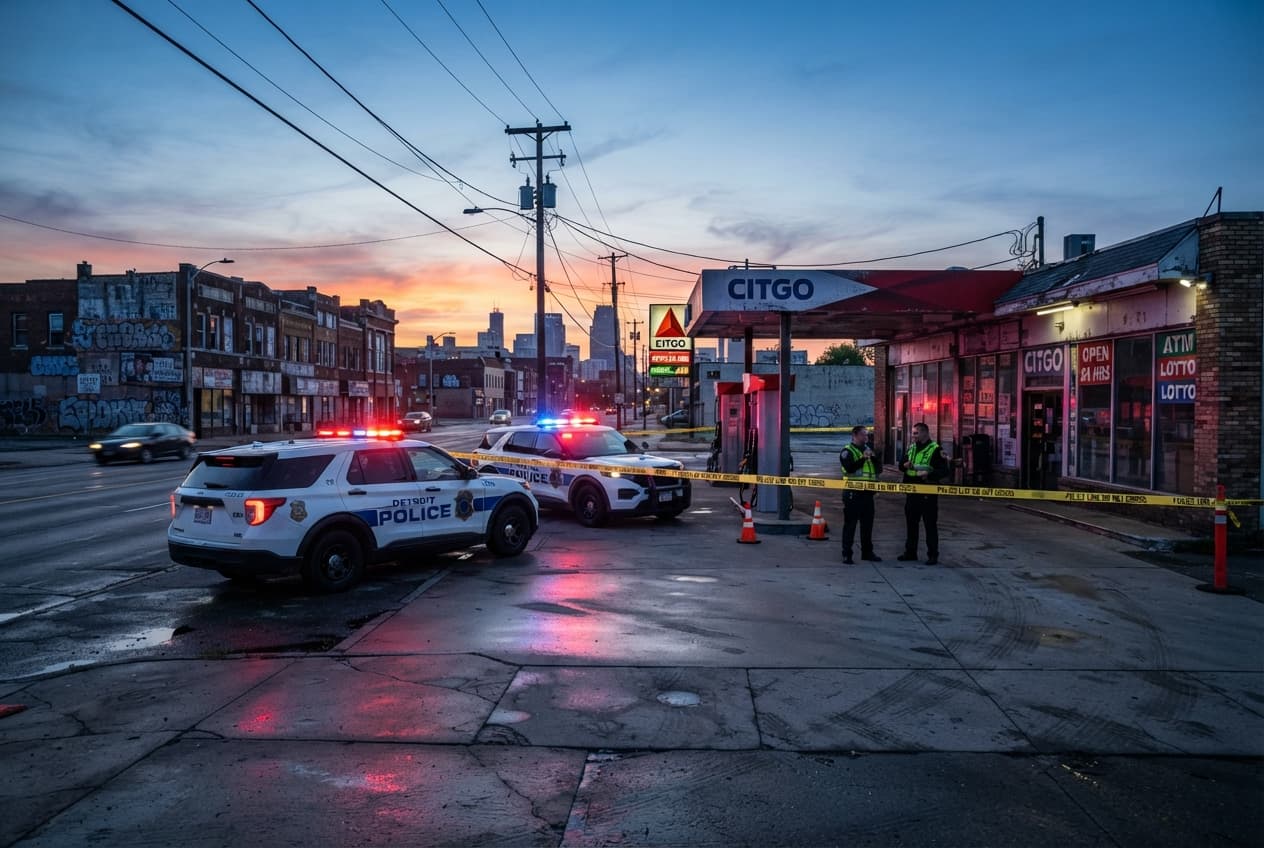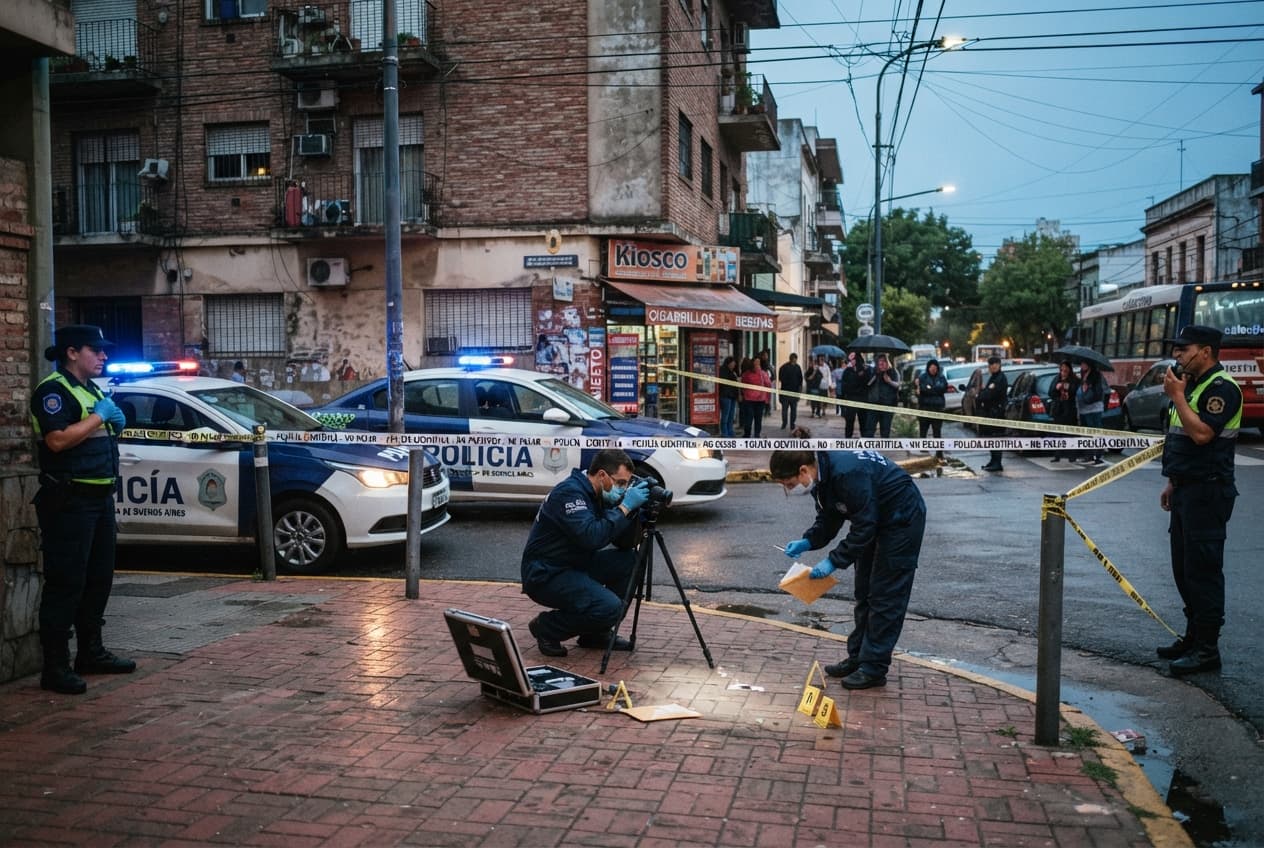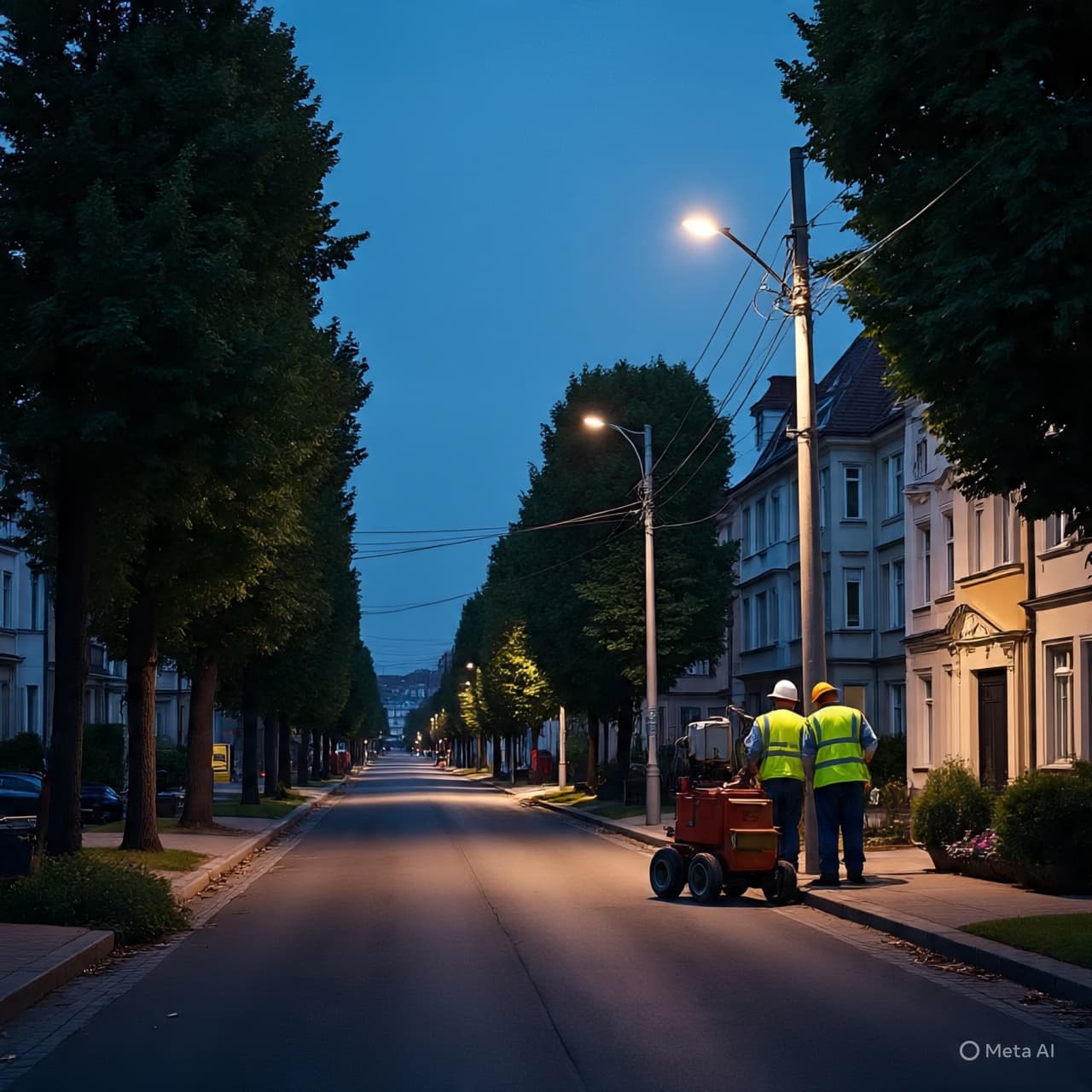
In the depths of a cold Berlin weekend, when streets and squares are usually quiet with January chill, a sudden blackout sent a jolt through the German capital — not from a storm or technical failure, but from fire and suspicion. On Saturday morning, high‑voltage cables spanning a bridge over the Teltow Canal in southwest Berlin were engulfed in flames, cutting electricity to tens of thousands of homes, businesses and essential services at a time when heat is as vital as light. Authorities now believe the outage was the result of a politically motivated act by left‑wing extremists, a rare but deeply unsettling type of assault on critical infrastructure in one of Europe’s major cities.
By Sunday, roughly 35,000 households and nearly 2,000 businesses remained without power, and some residents were warned they might stay in the dark until Thursday as repair crews worked against freezing temperatures to restore service. Hospitals, care homes and schools felt the strain, and emergency shelters were set up to offer warmth and basic services. Berlin officials said the outage has hit up to 45,000 homes and 2,200 businesses at its peak, while internet networks and public transit systems also faltered amid the disruptions.
Berlin’s interior minister and city leaders have framed the incident as a deliberate attack on society’s critical lifelines. Authorities are investigating the blaze as arson, noting parallels to earlier infrastructure sabotage episodes and a reported claim of responsibility from a group allegedly linked to radical left‑wing activism. A letter circulating online, which investigators are working to authenticate, states that the perpetrators — self‑described as left‑wing extremists — targeted the energy grid as a symbolic protest. When asked about the motive, Berlin’s mayor condemned the attack as dangerous and “unacceptable,” emphasizing that deliberately cutting power in the depths of winter puts lives at risk.
The suspected group, sometimes described in reporting as the Vulkangruppe or “Volcano Group,” has been associated with past attacks on energy and industrial infrastructure in the region. German security services have long monitored radical fringe networks that advocate direct action against what they see as systems of environmental exploitation or social inequality. Berlin’s police and domestic intelligence agencies are now retracing evidence, forensics, and digital trails as part of the complex investigation into both the physical damage and the online proclamation.
For Berliners enduring cold nights without power and heat, the incident has underscored a vulnerability that many citizens had not fully imagined — that ideological extremism can leap from rhetoric into direct interference with everyday life. As technicians labor to reconnect lines and restore normalcy, officials and citizens alike face the difficult task of mending not only wires and transformers, but public faith in the safety of essential infrastructure amid the rising stresses of political polarization.
AI Image Disclaimer “Visuals are created with AI tools and are not real photographs.”
Sources Financial Times, Euronews, Reuters, AP News/Associated Press, Bild (German news).
Published by Banx Network. This article is part of the Banx decentralized media programme, powered by the BXE token on the XRP Ledger.