ISLAMABAD/KABUL — Tensions along the volatile South Asian border exploded overnight as Pakistani warplanes carried out precision airstrikes on militant hideouts inside Afghanistan, leaving at least 22 fighters dead and drawing fierce condemnation from Afghan authorities.
According to Pakistan's Ministry of Information, the targeted aerial operation was executed based on precise intelligence regarding camps belonging to armed groups, including the Tehreek-e-Taliban Pakistan (TTP) and Baloch insurgent factions. Pakistani officials confirmed that the overnight strikes successfully hit two key locations, destroying significant stashes of weapons and ammunition alongside neutralizing two dozen militants. Islamabad reiterated that the strikes were a necessary measure to protect its sovereign territory from cross-border terrorism.
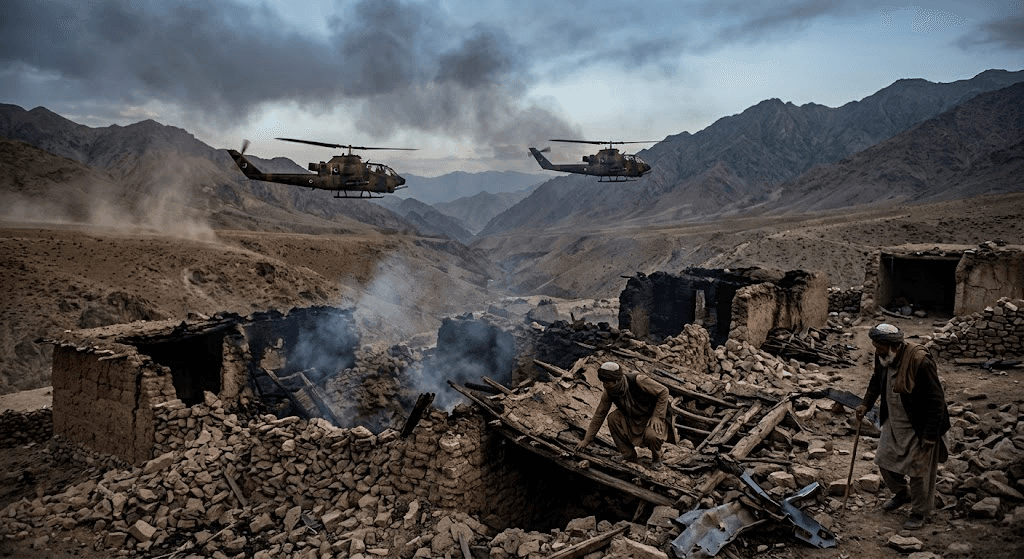
However, the Afghan government in Kabul swiftly presented a starkly different account of the bombardments. Taliban authorities reported that Pakistani jets bombed civilian homes in Kunar and Helmand provinces, resulting in the deaths of at least nine women and children and injuring 11 others. Taliban spokesman Zabiullah Mujahid strongly denounced the strikes as an unlawful act of aggression and a direct violation of international law.
The cross-border raids mark another dangerous escalation in the long-simmering feud between the neighboring nations over border security and militant sanctuaries. Islamabad has repeatedly urged Kabul to crack down on armed groups operating from Afghan soil, while the Taliban government continues to deny harboring foreign fighters.
With diplomatic relations reaching a critical tipping point, international observers warn that continued cross-border military actions risk sparking broader regional instability along the contested borderlands. In response to the escalation, regional diplomatic bodies have called for immediate restraint and an urgent bilateral dialogue to de-escalate tensions. Meanwhile, security forces on both sides of the border have been placed on high alert, raising fears among local residents of further cross-border shelling and prolonged displacement in the fragile frontier region.
Humanitarian organizations operating near the border have also expressed growing alarm, noting that any further military engagements could severely disrupt aid delivery networks already struggling to support vulnerable communities. Aid agencies warned that localized skirmishes routinely trigger immediate civilian displacement, placing thousands of rural families at risk of acute shortages of food, shelter, and basic medical care as the crisis unfolds.
Published by Banx Network. This article is part of the Banx decentralized media programme, powered by the BXE token on the XRP Ledger.