Baidoa, Somalia—Mortar rounds and direct heavy machine-gun fire ripped through densely populated residential sectors across the city across the past forty-eight hours, flooding regional medical facilities with mass casualties and leaving at least seventeen children among those gravely wounded. Strategic intersections inside the Southwest State capital turned into active frontlines as rival armed factions exchanged heavy explosive ordnance near crowded market zones.
Emergency medical crews at Bay Regional Hospital worked past physical exhaustion as victims arrived on the backs of motorized rickshaws and wooden carts. Surgical suites operated without uninterrupted power supply while staff attempted to stabilize victims suffering from shrapnel lacerations, blast trauma, and bullet wounds. Triage units were forced to treat patients on bloodied concrete floors after available bed space ran out within hours of the initial artillery salvos.
Local relief networks reported that civilian neighborhood blocks took direct impacts from heavy weaponry, tearing through mud-brick homes and corrugated metal shelters. Unexploded munitions remain scattered along unpaved municipal thoroughfares, preventing ambulances from accessing peripheral sectors where families remain pinned down. Aid groups issued urgent calls for immediate tactical pauses as medical inventory levels dropped dangerously low.
Municipal infrastructure collapsed rapidly under the stress of renewed kinetic combat, severing power lines and disabling regional water distribution points across multiple districts. Civilians attempting to flee active firefights were forced to shelter in drainage ditches and narrow alleyways while heavy automatic weapons fire echoed continuously through the commercial core.
Humanitarian organizations operating in the region confirmed that recent violent escalations directly targeted or damaged municipal infrastructure, including a local health facility handling vulnerable displaced populations. Field officers stated that reaching isolated neighborhoods remains functionally impossible due to active sniper positions posted along main transit veins.
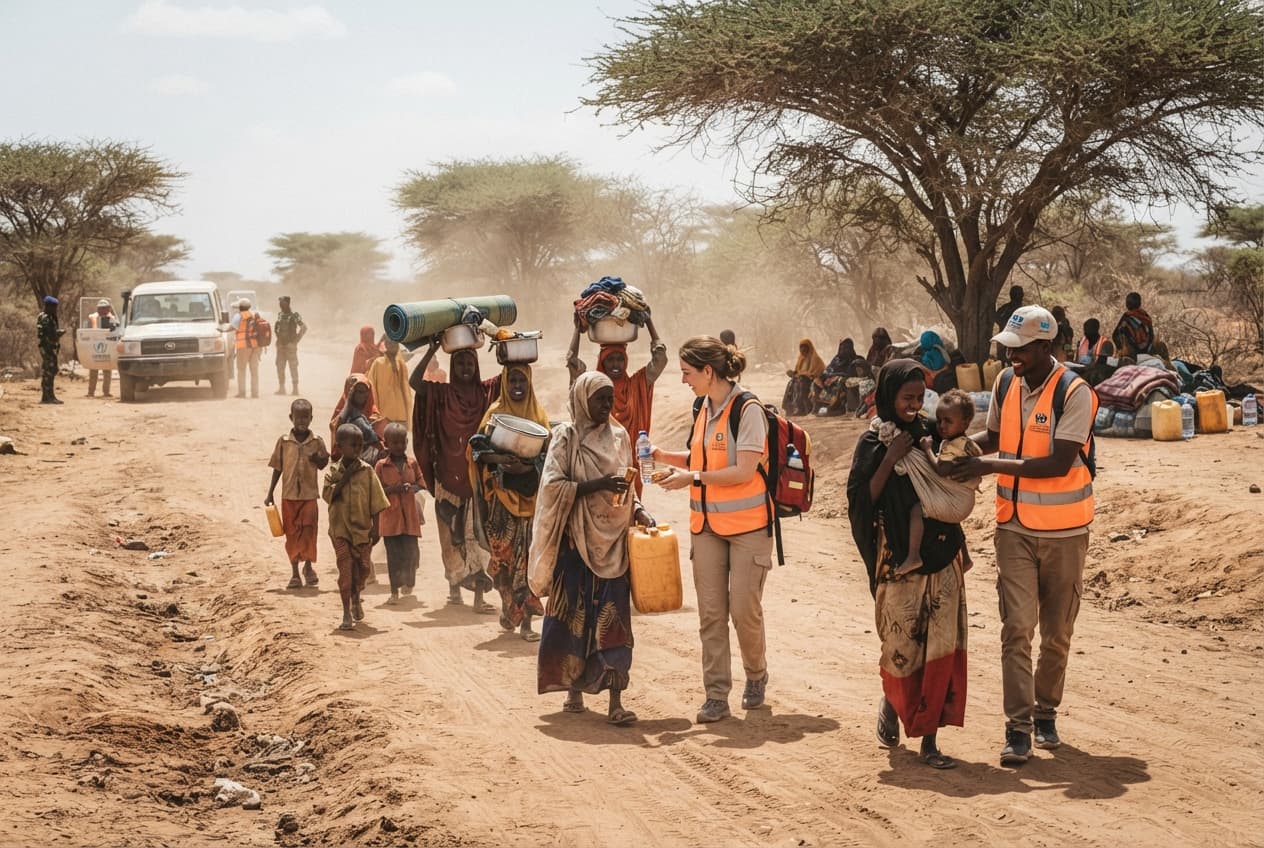
Foreign aid representatives warned that the localized conflict threatens to completely cut off relief pipelines serving hundreds of thousands of internally displaced persons living in surrounding camps. Malnourished children already receiving specialized therapy now face interrupted treatment regimes as aid agencies pull non-essential personnel from field bases to secure compounds.
District commanders offered no public indication of standing down operations, maintaining positions around major government compounds and critical transit roads. Local elders attempted to negotiate short-term humanitarian corridors to evacuate dead and wounded civilians, but heavy shelling repeatedly broke tentative pauses in fire.
Responders continue to clear rubble from collapsed structural walls near the central market site while medical workers struggle to secure basic blood supplies. Field clinics remain severely understaffed as additional injured citizens continue arriving at facility gates under heavy security escort.
Published by Banx Network. This article is part of the Banx decentralized media programme, powered by the BXE token on the XRP Ledger.