
Key Highlights
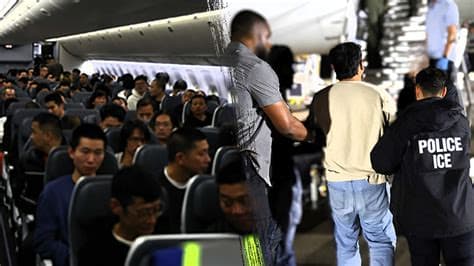
- FIFA arranged Portugal's World Cup travel on a plane linked to ICE deportations.
- The aircraft, identified as N837VA, reportedly conducted deportation missions around the same time.
- The Portuguese Football Federation confirmed multiple airlines were used during the tournament.
FIFA's decision to arrange travel for Portugal's World Cup team on a Global Crossing Airlines aircraft has raised eyebrows, particularly due to the plane's alleged history of involvement in U.S. deportation missions. The aircraft, identified by its tail number N837VA, is reported to have been used for deportation flights around the same dates as Portugal's travel to Dallas on July 4. This revelation has sparked significant criticism and concern regarding FIFA's vetting process for airlines used in international sporting events.
The Portuguese Football Federation has responded to the controversy, stating that the travel arrangements for the team involved multiple airlines throughout the tournament. However, the connection between the aircraft and its previous use for deportation-related missions has led to questions about the ethical implications of such choices. Critics argue that FIFA should be more diligent in ensuring that the airlines it partners with do not have controversial backgrounds, especially in light of the ongoing debates surrounding immigration policies and practices in the United States.
Social media has been abuzz with reactions to the news, with many fans expressing their dismay at the association between a major sporting event and the contentious issue of deportations. The situation highlights the intersection of sports and social issues, prompting discussions about the responsibilities of organizations like FIFA in choosing their partners and the potential impact on their reputation.
As the World Cup approaches, the scrutiny on FIFA's decisions is likely to intensify. Stakeholders within the soccer community are calling for greater transparency and accountability from the organization, urging it to prioritize ethical considerations in its operations. The controversy serves as a reminder of the broader societal implications that can arise from seemingly routine logistical decisions in the world of sports.
In conclusion, FIFA's choice to utilize an aircraft with a controversial history raises important questions about the organization's commitment to ethical practices. As the tournament unfolds, it will be crucial for FIFA to address these concerns and reassure fans that their values align with those of the global soccer community.
Published by Banx Network. This article is part of the Banx decentralized media programme, powered by the BXE token on the XRP Ledger.



