
Key Highlights
- Projected Growth:Guyana's economy is expected to grow by twelve percent.
- Diverse Sectors:Agriculture, manufacturing, and eco-tourism are key drivers.
- Resilience:Traditional industries continue to play a vital role in the economy.
Guyana is experiencing a remarkable economic transformation, with a projected growth rate of twelve percent that reflects a burgeoning non-oil economy. While the world’s attention is often drawn to the offshore oil rigs, the inland wealth of Guyana is quietly asserting its significance. This narrative is woven through the rice fields, timber resources, and vibrant markets that characterize the nation’s landscape.
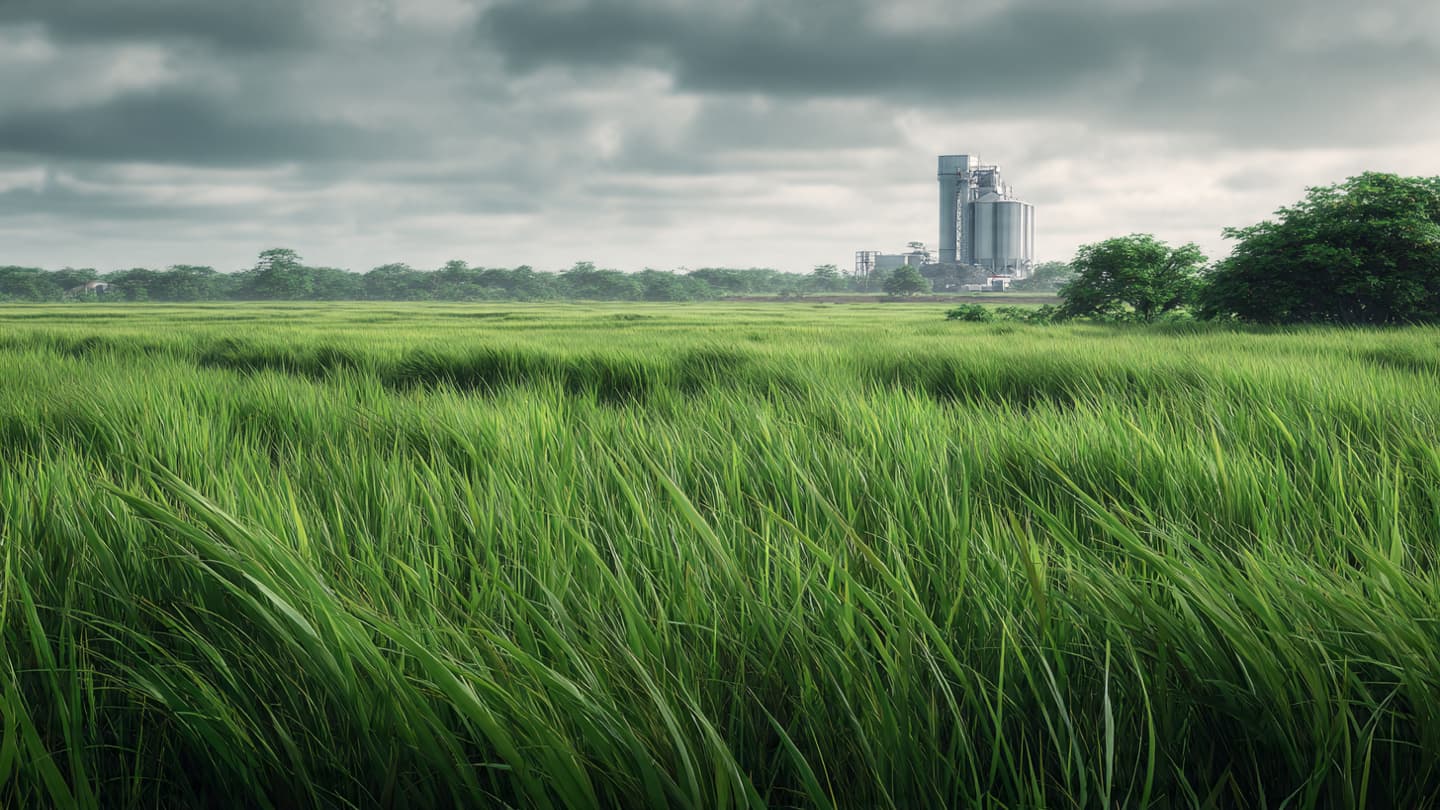
The agricultural sector, in particular, is witnessing a renaissance. Investments in modern farming techniques and local services are fostering a sense of independence from the oil sector's volatility. The growth is not just a statistic; it is palpable in the daily lives of farmers and workers who are committed to building a sustainable future. New silos and improved infrastructure are visible signs of this commitment, stitching together the rural and urban fabric of the country.
As the sun sets over the Berbice River, the fields that have sustained generations of families continue to thrive. The commitment to diversifying the economy is evident, as traditional sectors like gold, sugar, and bauxite remain integral to the national identity. These industries provide stability while newer sectors, such as manufacturing and eco-tourism, find their footing in a rapidly changing economic landscape.
The movement of capital and labor toward these sectors is reshaping the character of Guyana. From small-scale manufacturers in Georgetown to eco-tourism guides in the Rupununi, the pulse of the economy is expanding. This transition requires a careful balance between modernization and the preservation of traditional livelihoods, ensuring that growth is inclusive and sustainable.
The physical manifestations of this economic surge are evident in the construction of community centers and the expansion of local docks. These developments signify a nation reinvesting in itself, ensuring that the wealth generated offshore benefits all citizens. The latest economic bulletin indicates that this upward trajectory is expected to stabilize through the final quarter of the year, reinforcing the optimism surrounding Guyana’s future.
As the evening rain cools the streets, the forecasts of economic growth resonate with a collective sense of anticipation. The growth narrative is not just about numbers; it is about the shared aspirations of a nation where every citizen plays a role in shaping the future. The horizon is no longer defined solely by oil rigs but extends to the lush forests and fertile fields that promise a diverse and resilient economy.
Government financial analysts emphasize that the manufacturing and construction sectors are pivotal in driving this non-oil expansion. By prioritizing domestic food security and the export of value-added timber products, Guyana aims to insulate its economy from global oil price fluctuations. This strategic focus is crucial for maintaining stability and fostering long-term growth in the face of external challenges.
In conclusion, Guyana's journey through economic transformation is a testament to the resilience of its people and the richness of its land. As the nation navigates this new chapter, the interplay between traditional industries and emerging sectors will define its path forward, creating a landscape of opportunity for generations to come.
Published by Banx Network. This article is part of the Banx decentralized media programme, powered by the BXE token on the XRP Ledger.



