On a crisp morning in the southwest of France, tractors rumbled along a motorway as farmers stood shoulder to shoulder, voices rising in anger, bags of manure heaped at the gates of public buildings. This was not a festival of harvest but a gathering shaped by fear — fear of what might be lost when a disease stalks livestock and government seeks to contain it. Across fields and country roads, chiefs of cattle and keepers of tradition found themselves at odds with authorities over how best to protect their herds from lumpy skin disease, a virus now spreading through France’s pastoral heartland.
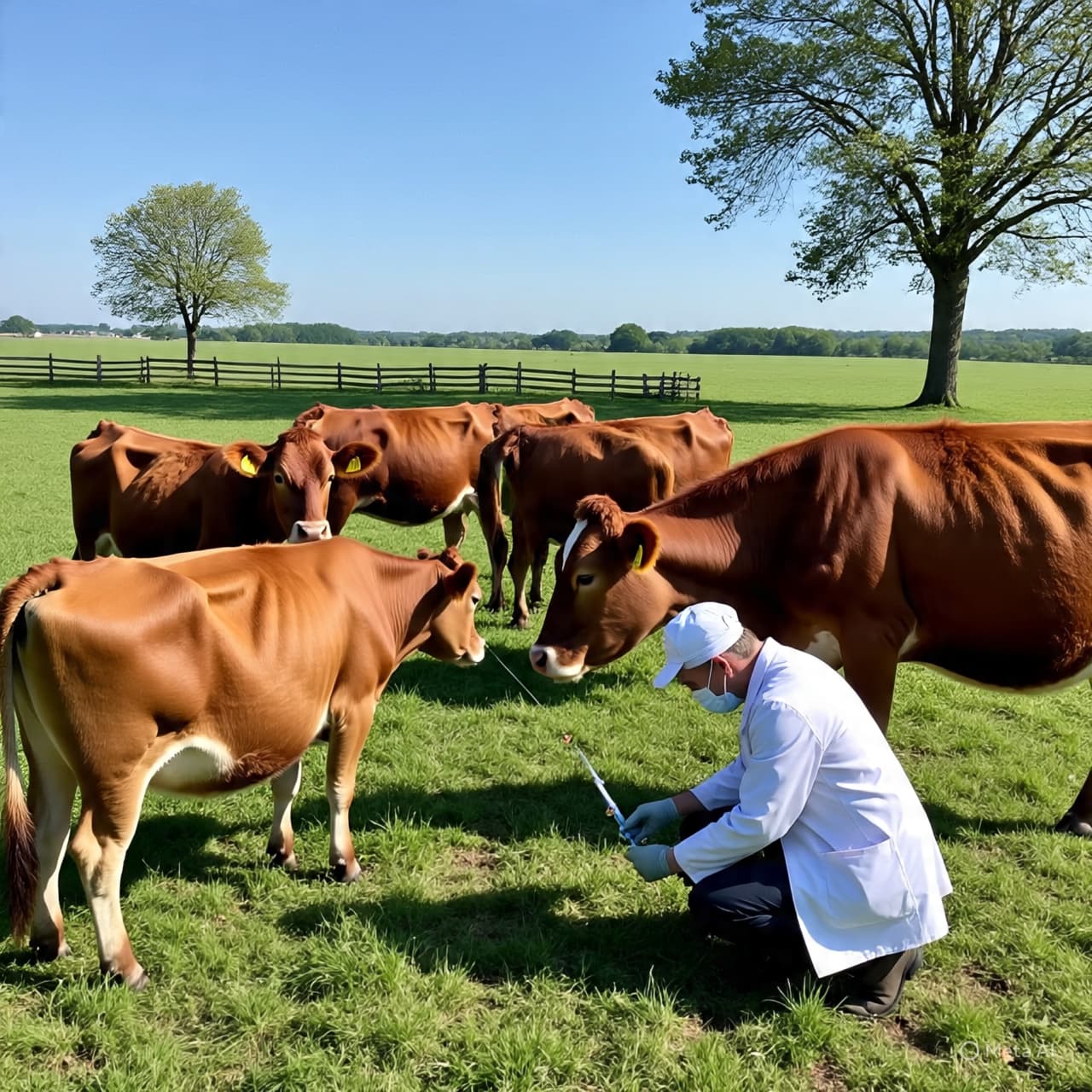
Lumpy skin disease is no silent visitor. Spread by insects and harmless to humans, it causes blistering on cattle, reduces milk production, and threatens trade links that rural France depends upon. In response to repeated outbreaks — now recorded in more than 100 departments — the government has announced plans to vaccinate nearly one million cattle in the coming weeks, asking farmers to embrace a protective shield for their animals. Agriculture Minister Annie Genevard underscored that this sweep of vaccinations, combined with movement restrictions and targeted culling of infected herds, is meant to halt the virus’s advance before it jeopardises exports and livelihoods.
Yet this move has exposed a tension that runs deeper than disease control. Many farmers, feeling the weight of centuries-old agricultural tradition, view the policy of widespread culling — killing entire herds at the hint of infection — as too heavy-handed. In the Ariège region, demonstrations escalated as vets attempted to carry out a cull of about 200 cattle after a confirmed outbreak. Protesters formed human chains, blocked veterinary teams, and in some cases clashed with police — moments that seemed an echo of historic struggles over land, livelihood, and state power.
Among farming unions, opinions diverge. The main union, FNSEA, supports the government’s strategy on the grounds that rapid containment is essential to protect the wider sector. But rival organisations such as Coordination Rurale and the Peasant Confederation argue that widespread culling is unnecessary when many animals are healthy, urging instead for broader vaccination campaigns and quarantines that would target only the truly infected. To them, the clash is not merely about cattle but about preserving a way of life that has long underpinned French rural identity.
For everyday citizens, the scene of farmers blocking motorways and heaping manure outside administrative offices paints a complex picture: a community striving to balance economic survival with cultural dignity; a government seeking to defend animal health and market access while managing rural discontent. In the fields where cattle graze under open sky, the question remains at once practical and philosophical: how do you care for the many without sowing deeper divisions among the few?
As vaccination teams prepare to move across departments and protests continue to unsettle highways and town squares, France’s response to lumpy skin disease reveals itself as much a social dialogue as a public-health campaign — one that binds together the fates of cattle and communities in the soft, uncertain light of winter.
AI Image Disclaimer Visuals are created with AI tools and are not real photographs.
Sources Reuters Euronews Le Monde Anadolu Agency (AA) Yahoo News UK
Published by Banx Network. This article is part of the Banx decentralized media programme, powered by the BXE token on the XRP Ledger.