In the wide, open stretches of Canterbury, the land keeps its own time.
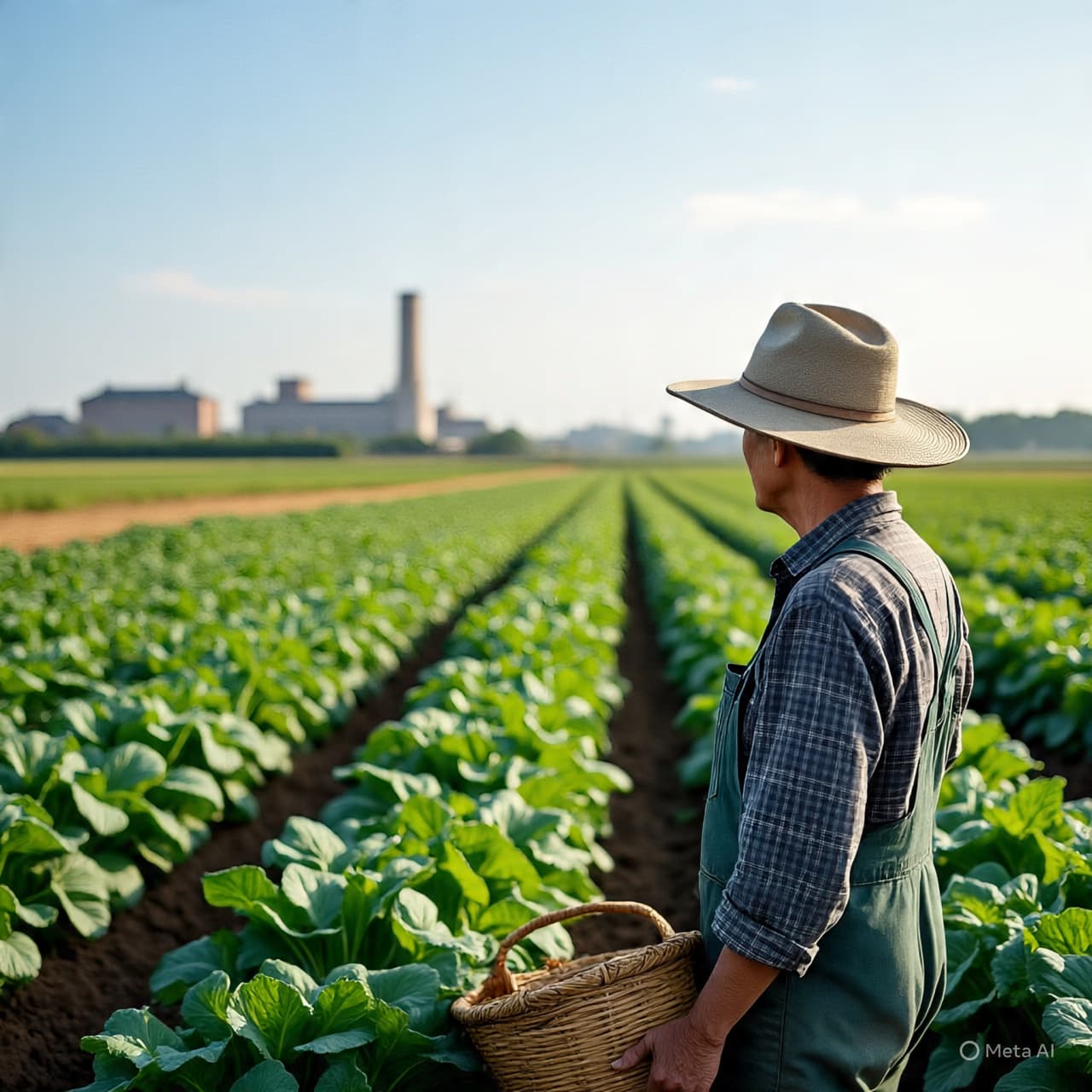
Rows of vegetables rise and fall with the seasons, guided by sunlight, rainfall, and the steady routines of those who work the soil. There is a rhythm here—predictable, almost quiet in its repetition—where planting leads to growth, and growth, eventually, to harvest. Beyond the fields, another rhythm has long run in parallel: the hum of processing lines, the movement of trucks, the steady conversion of crops into something that can travel farther than the land itself.
It is this second rhythm that now appears to be slowing.
The planned closure of processing operations linked to Heinz Wattie’s has introduced a note of uncertainty into a system that has, for years, relied on alignment between growers and factory gates. For many vegetable producers across Canterbury, the relationship is not incidental. It is foundational—a contract not only of supply, but of expectation.
When a crop is planted, it is planted with a destination in mind.
The announcement that certain facilities will close has shifted that destination into question. For growers, the concern is not only about immediate disruption, but about the narrowing of options. Processing plants are not easily replaced, and the logistics of redirecting large volumes of perishable produce can be complex, often constrained by time, distance, and cost.
In the fields, the work continues. Seeds are sown, irrigation systems maintained, schedules followed. Agriculture rarely pauses in response to uncertainty; it moves forward because it must. Yet beneath that continuity, decisions begin to take on a different weight. What to plant, how much, and for whom—questions that once carried clearer answers—now require reconsideration.
The effects extend outward. Contractors, transport operators, seasonal workers—all are connected, in varying degrees, to the flow between farm and factory. When one point in that chain shifts, the adjustment is felt across the rest, sometimes subtly, sometimes more sharply.
For the company, the closures reflect a different set of calculations—efficiency, consolidation, the realities of operating within a changing market. Such decisions are often framed in terms of sustainability and long-term viability, measured against costs that do not remain static. From that perspective, the movement is strategic, part of a broader effort to reshape operations in response to shifting conditions.
Between these viewpoints lies a quiet tension, not defined by conflict so much as by distance. The needs of a global or national enterprise and the realities of a regional growing community do not always move in step, even when they have long been connected.
And so the landscape holds both continuity and change. Fields remain, seasons continue, but the pathways that carry what is grown into the wider world begin to alter. For those working the land, adaptation becomes part of the process, even when the direction is not yet fully clear.
Heinz Wattie’s has confirmed plans to close certain processing facilities, a move expected to impact vegetable growers in Canterbury who rely on those plants. Industry groups have raised concerns about reduced processing capacity and the challenges of finding alternative markets, while discussions continue around support and transition options for affected producers.
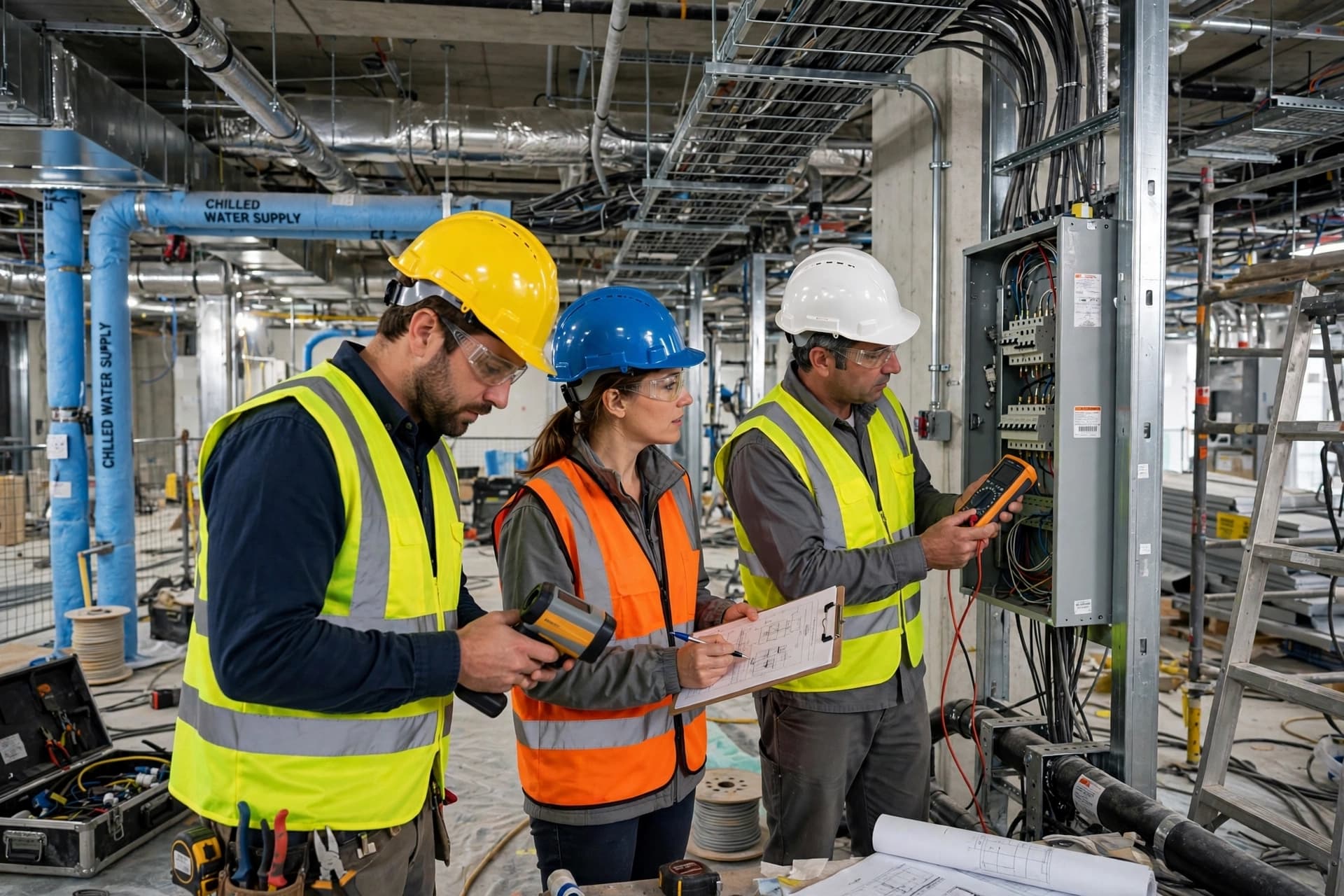
AI Image Disclaimer Visuals are AI-generated and serve as conceptual representations.
Sources Reuters The New Zealand Herald Stuff RNZ Bloomberg
Published by Banx Network. This article is part of the Banx decentralized media programme, powered by the BXE token on the XRP Ledger.