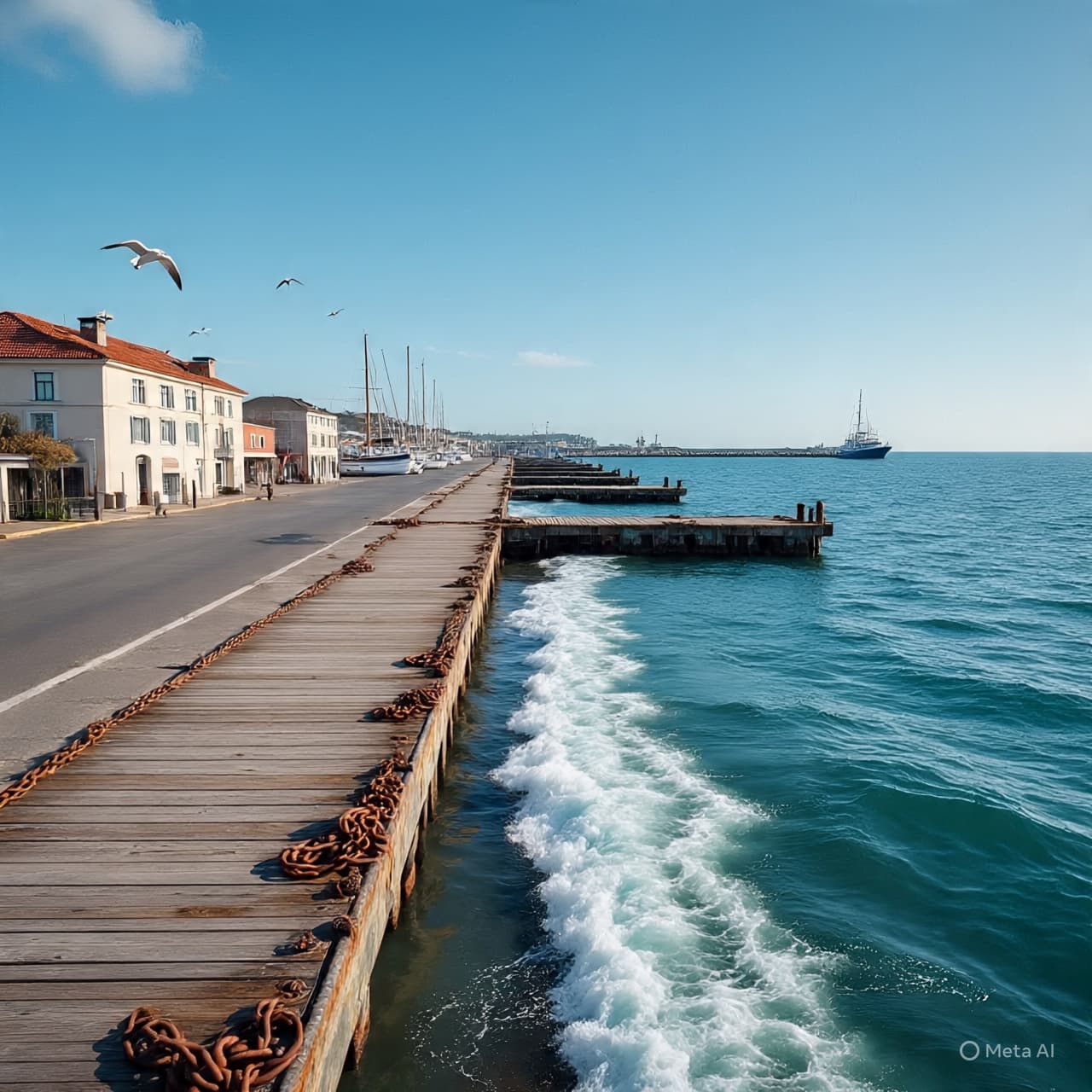
There are seasons when the sea’s pulse seems steady, measured by the rise and fall of tides and the familiar silhouettes of ships on the horizon. Cruising — once a vibrant dance of hulls docking and departing, of passengers disembarking with laughter and suitcases — has always been one of those rhythms that binds coastal communities and travelers in an unspoken pact of movement and expectation. Yet for some ports and shores this year, that rhythm feels quieter, the cadence softer, as fewer vessels chart their familiar courses into harbors that once welcomed them like old friends.
In parts of Australia, particularly Western Australia, the cruise season is printing a gentler footprint on the coast than it once did. Where hundreds of ship calls once painted the docks with white towering liners, this season promises only half that number. For a region that once welcomed nearly three hundred visits, the decline — down to roughly a hundred and forty scheduled calls — carries with it the quiet echo of emptier piers and subdued tourist pathways.
Across the Tasman Sea, New Zealand’s ports tell a similar story, though whispered through figures rather than scenes. Cruise bookings and visits there are expected to dip by as much as forty percent, a shift felt in towns and villages where shore excursions, cafés, and local markets thrive on the seasonal arrival of sea-borne visitors.
The reasons are as varied as the coastlines themselves. Rising operational costs for cruise lines, stringent biosecurity requirements, and complex regulatory environments weigh on decisions about where ships will sail and where they will stay. Ports lacking the deepwater berths or infrastructure to support the largest contemporary vessels can find themselves bypassed in favor of deeper seas and broader horizons.
Yet beneath these statistics lies another layer of narrative — one of communities adapting. In Australia, industry leaders are calling for longer seasons and more coordinated strategies, hoping to recapture lost momentum and support the businesses that rely on cruise traffic.
For travelers too, quieter seasons can be an invitation to discover destinations at a gentler pace, to learn the rhythms of a port when it is not at its busiest, when the market stalls and coffee shops feel the presence of local life as much as passing visitors.
While global cruising continues to grow elsewhere, with record seasons and bustling itineraries, the quieter ports remind us that travel is not uniform — it ebbs and flows like the tides themselves, shaped by economics, policy, and human choice.
In this season of transition, fewer ships do not signal an end to cruising but rather a moment of pause — a breath between departures, a chance for ports and passengers alike to consider what comes next on the vast and shifting horizon.
AI Image Disclaimer “Graphics are AI-generated and intended for representation, not reality.”
Sources Cruise Critic Cruise Passenger NZ Herald Travel and Tour World TravelMarketReport
Published by Banx Network. This article is part of the Banx decentralized media programme, powered by the BXE token on the XRP Ledger.