The Colorado River, a lifeline for millions across the American Southwest, has long been a symbol of both abundance and scarcity. Now, as the river’s flow dwindles under the weight of prolonged drought and rising demand, a new federal plan has been enacted to stabilize its future. The Department of the Interior has announced significant reductions in water allocations for California, Arizona, and Nevada, marking a pivotal moment in the region’s history. For California, the largest consumer of the river’s water, the cuts represent a profound shift in how this precious resource is managed and shared.
Under the new framework, the Lower Basin states will see a combined reduction of 1.25 million acre-feet of water annually through 2028. California, which holds senior water rights but also consumes the largest share, faces a cut of approximately 40% from its baseline allocation in certain scenarios. This reduction is part of a broader strategy to prevent Lake Mead and Lake Powell from reaching critically low levels that could threaten hydroelectric power generation and water delivery infrastructure. The plan aims to balance immediate conservation needs with long-term sustainability.
For California’s agricultural sector, which relies heavily on Colorado River water for irrigating crops in the Imperial and Coachella valleys, the news is daunting. Farmers are already grappling with the effects of previous dry years, and these additional cuts may force difficult decisions about what to plant and how to manage soil health. Some may need to fallow fields, while others might invest in more efficient irrigation technologies. The economic ripple effects could be felt throughout the state’s food supply chain.
Urban areas, including Los Angeles and San Diego, are also preparing for the changes. Metropolitan water districts have been working on diversification strategies, such as recycling wastewater and capturing stormwater, to reduce dependence on imported supplies. While residential users may not face immediate mandatory restrictions, the plan encourages voluntary conservation and incentivizes the replacement of water-intensive landscaping. It is a call for a cultural shift in how water is valued in daily life.
Environmental groups have largely welcomed the federal intervention, arguing that stronger measures were necessary to protect the river’s ecosystem. The Colorado River supports diverse habitats and endangered species, which have suffered as flows have decreased. By stabilizing reservoir levels, the plan hopes to restore some ecological balance, though critics note that more aggressive action may be needed to address the root causes of the crisis, including climate change.
The political dynamics surrounding the plan are complex. While the Lower Basin states proposed the initial cuts, disagreements remain over how the burden should be distributed. California’s senior rights have historically protected it from deeper cuts, but the new plan challenges this precedent, emphasizing equitable sharing of scarcity. Negotiations continue among state leaders, tribal nations, and federal officials to refine implementation details and ensure fairness.
For tribal communities, who hold vital water rights and have often been excluded from past decision-making, the plan offers a chance for greater inclusion. Several tribes have secured funding for water infrastructure and conservation projects, recognizing their role as stewards of the land. Their participation is crucial for the success of any long-term management strategy, ensuring that historical injustices are addressed alongside environmental goals.
In the end, the federal plan is a testament to the urgency of the water crisis. It acknowledges that the era of unlimited abundance is over and that adaptation is necessary for survival. For California and its neighbors, it is a challenge to innovate and cooperate. The hope is that these cuts will not just mitigate disaster but inspire a new era of water wisdom, where every drop is respected and preserved for generations to come.
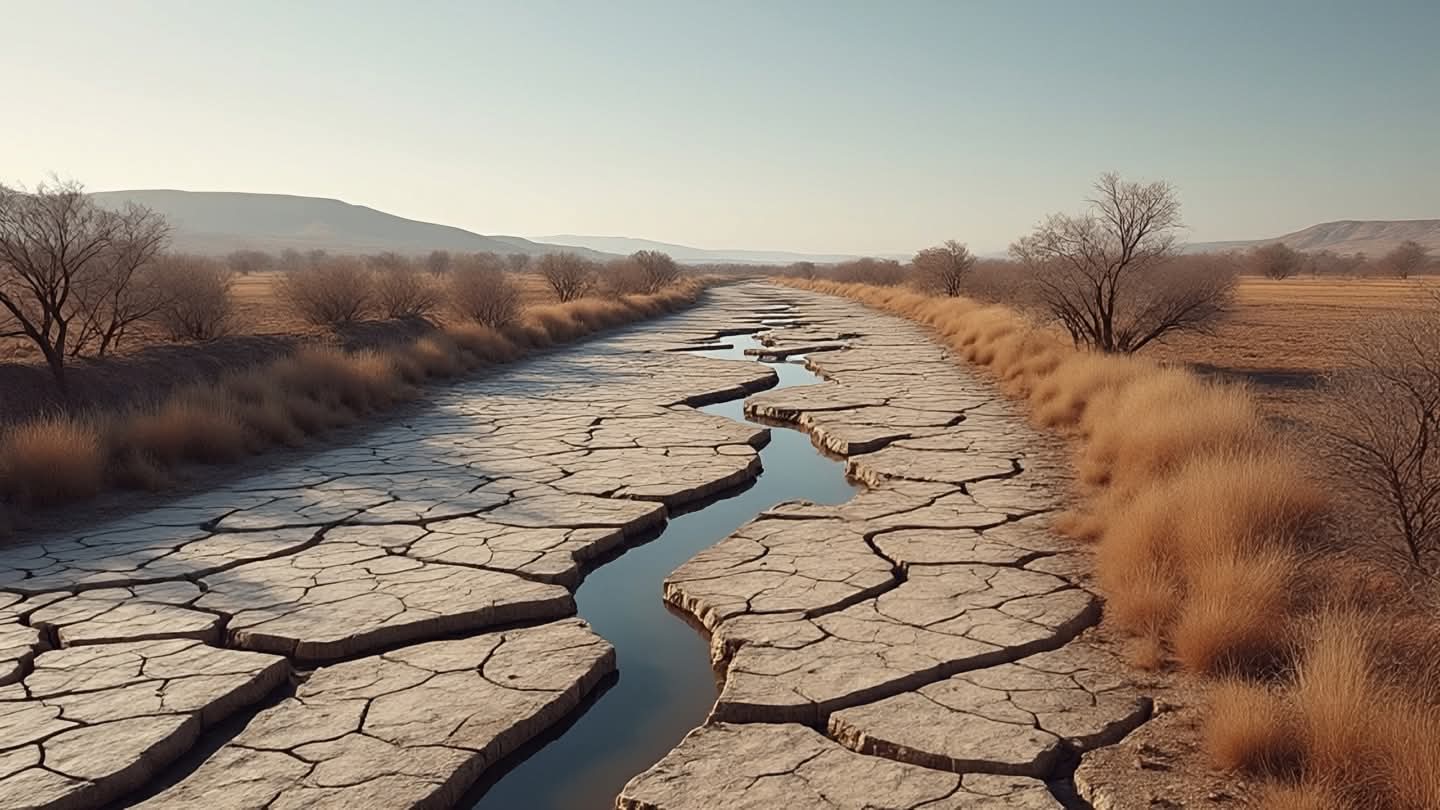
AI Image Disclaimer: The visual elements in this article are AI-generated illustrations depicting arid landscapes and abstract representations of water conservation, designed to reflect the themes of drought and resource management without showing real proprietary satellite imagery of reservoir levels or specific agricultural operations.
Sources: Reuters, ABC News, The Desert Sun, The Guardian, The New York Times
Published by Banx Network. This article is part of the Banx decentralized media programme, powered by the BXE token on the XRP Ledger.