In the sweltering heat of a Texas summer, where temperatures often climb well above one hundred degrees, the air inside state prisons can become stifling and dangerous. For years, inmates in facilities without adequate cooling have endured conditions that advocates describe as cruel and unusual. Now, a federal judge has issued a decisive order: Texas must install air conditioning in all of its prisons by the end of 2029. This ruling marks a significant victory for human rights, affirming that dignity and safety are fundamental rights, even for those behind bars. It is a moment of legal clarity in a long-standing debate over prison conditions.
The decision stems from a lawsuit filed by prisoners who argued that extreme heat violates the Eighth Amendment’s protection against cruel and unusual punishment. The judge agreed, noting that high temperatures pose serious health risks, including heat stroke and exacerbation of chronic illnesses. For many inmates, particularly the elderly or those with medical conditions, the lack of cooling is not just uncomfortable but life-threatening. The law serves as a shield for the vulnerable.
Texas officials have estimated that complying with the order could cost up to $1.5 billion. This substantial financial burden raises questions about budget allocation and priority setting within the state. However, the judge emphasized that fiscal concerns cannot override constitutional obligations. The cost of inaction, measured in human suffering and potential liability, is far greater. Justice has a price, but it is worth paying.
The timeline set by the court provides a structured path for implementation. Prison authorities must now develop comprehensive plans to upgrade infrastructure, ensuring that every facility meets the new standards. This process will require coordination with contractors, engineers, and oversight bodies. Progress will be monitored closely to ensure compliance. Accountability is key to success.
Supporters of the ruling celebrate it as a milestone for prisoner rights. They argue that humane treatment is essential for rehabilitation and social reintegration. By improving living conditions, the state acknowledges the humanity of incarcerated individuals. This shift in perspective fosters a more just and compassionate society. Dignity is universal.
Critics, however, worry about the impact on taxpayers and state resources. Some argue that funds could be better spent on crime prevention or victim services. Yet, the legal mandate leaves little room for debate. The constitutionality of prison conditions is a matter of law, not opinion. The rule of law prevails.
For the inmates currently enduring the heat, the order brings hope. While the full implementation is years away, the promise of relief is tangible. Advocacy groups continue to monitor conditions, ensuring that interim measures are taken to protect health. Solidarity supports change.
In the end, the ruling is a testament to the power of the judiciary to enforce basic human standards. It reminds us that justice extends beyond the courtroom into the daily lives of all citizens. As Texas moves toward compliance, the hope is for a system that balances security with humanity. Fairness is the foundation of trust.
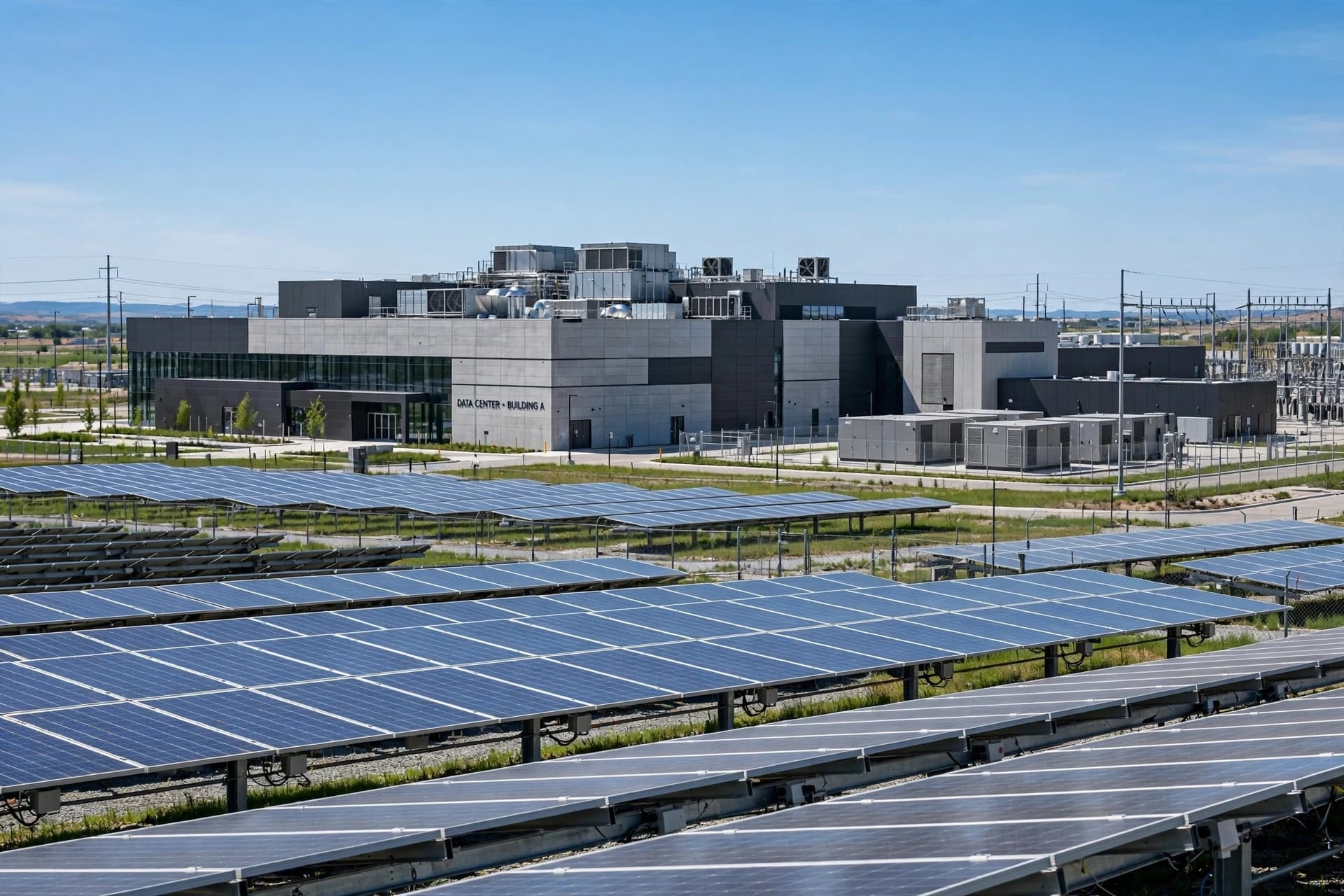
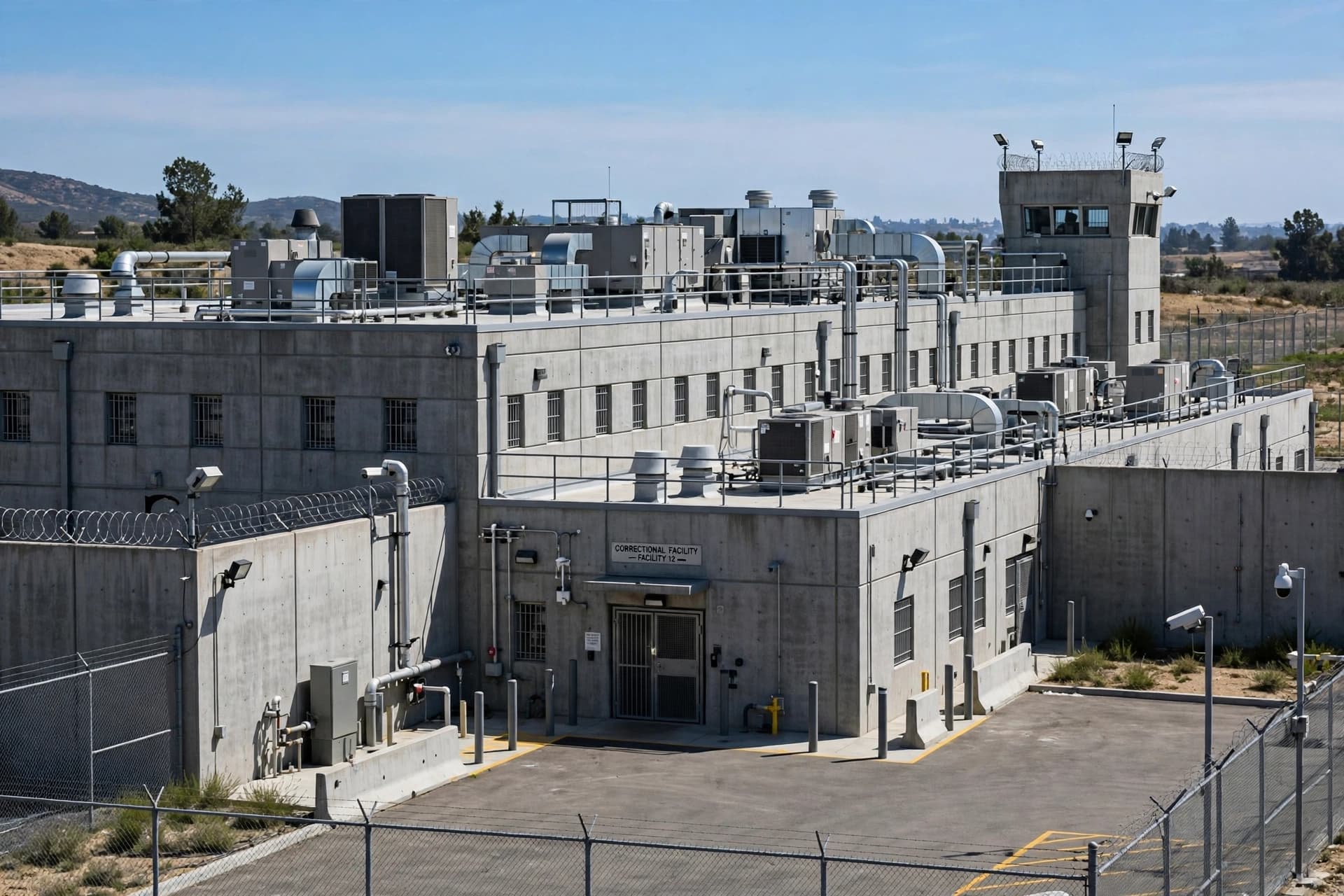
AI Image Disclaimer: The visual representations included here are AI-generated illustrations designed to depict prison infrastructure and legal themes, not actual photographs of specific Texas prisons or the judge’s courtroom.
Sources: The New York Times The Texas Tribune Associated Press
Published by Banx Network. This article is part of the Banx decentralized media programme, powered by the BXE token on the XRP Ledger.