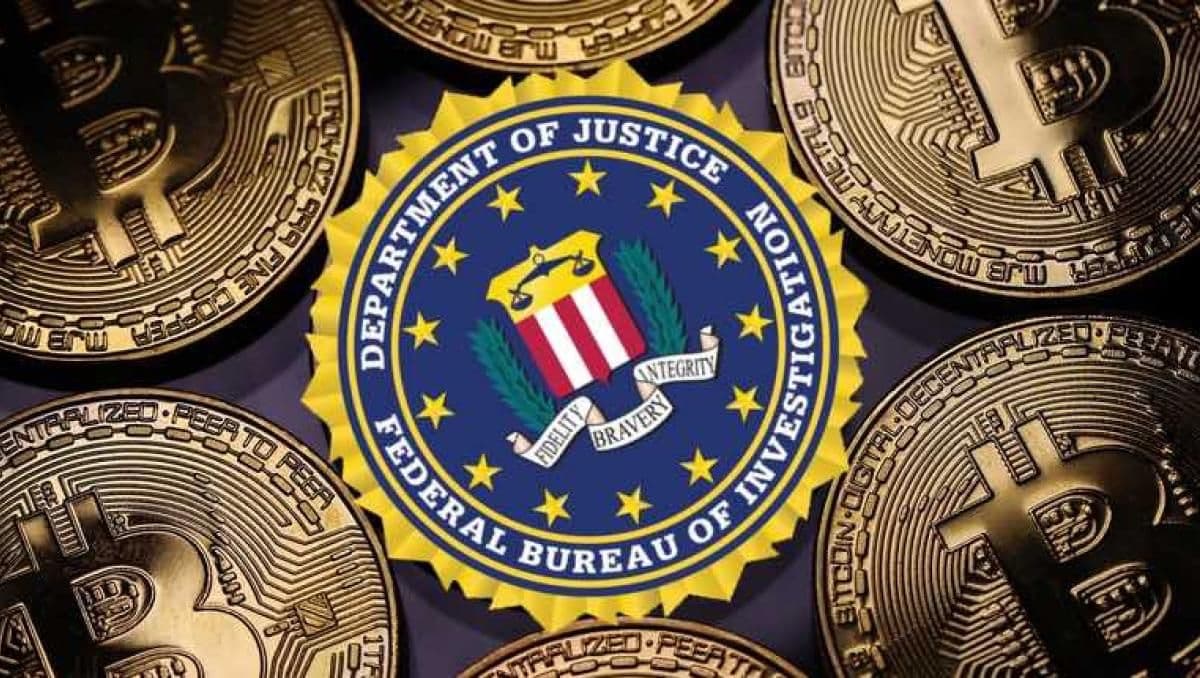
A US Federal Bureau of Investigation (FBI) counterintelligence agent has been accused of stealing nearly $1 million in cryptocurrency from a criminal investigation, according to court filings. Prosecutors allege the agent used credentials obtained during the investigation to make unauthorized withdrawals from digital wallets before later admitting to the theft. The case has drawn significant attention because it involves a senior federal law enforcement official entrusted with investigating cybercrime and financial offenses. Authorities allege the cryptocurrency was diverted from assets seized during an investigation targeting criminal activity, raising serious questions about internal oversight and digital asset custody procedures. As cryptocurrencies become increasingly involved in criminal investigations, law enforcement agencies worldwide are managing larger quantities of seized digital assets. Unlike traditional cash, cryptocurrencies require secure wallet management, private key protection, and strict authorization controls. Any weakness in these systems can expose agencies to insider risks alongside external cyber threats. The incident highlights the growing importance of governance surrounding digital asset custody. Financial institutions, governments, and custodians are investing heavily in multi-signature wallets, hardware security modules, independent auditing, and transparent transaction monitoring to minimize opportunities for unauthorized access. While prosecutors stress that the allegations concern an individual rather than institutional policy, the case underscores the need for robust safeguards wherever digital assets are stored. Similar standards already exist across regulated cryptocurrency custodians, many of which require multiple approvals before assets can be transferred. The investigation also demonstrates how blockchain transparency can assist law enforcement. Because cryptocurrency transactions are permanently recorded on public ledgers, investigators can often trace wallet movements with greater precision than traditional financial crimes involving cash. As governments continue expanding cryptocurrency enforcement capabilities, maintaining public confidence will depend not only on prosecuting digital asset crimes but also on ensuring those responsible for enforcing the law remain subject to the same accountability standards.
Published by Banx Network. This article is part of the Banx decentralized media programme, powered by the BXE token on the XRP Ledger.