
Key Highlights
- Incident:A drug gang shootout in Rio de Janeiro resulted in four deaths, including an innocent bystander.
- Community Impact:The violence disrupted local commerce and forced schools to close.
- Public Response:Community leaders and human rights monitors are calling for investigations into the violence.
Rio de Janeiro, Brazil—A violent shootout erupted in one of the city's favelas as rival drug trafficking factions clashed in a brutal turf war. The intense gunfire sent terrified residents scrambling for cover, with high-caliber bullets piercing through tin roofs and residential walls. The sustained gunbattle lasted over an hour, paralyzing local commerce and forcing public schools to lock their doors for safety.
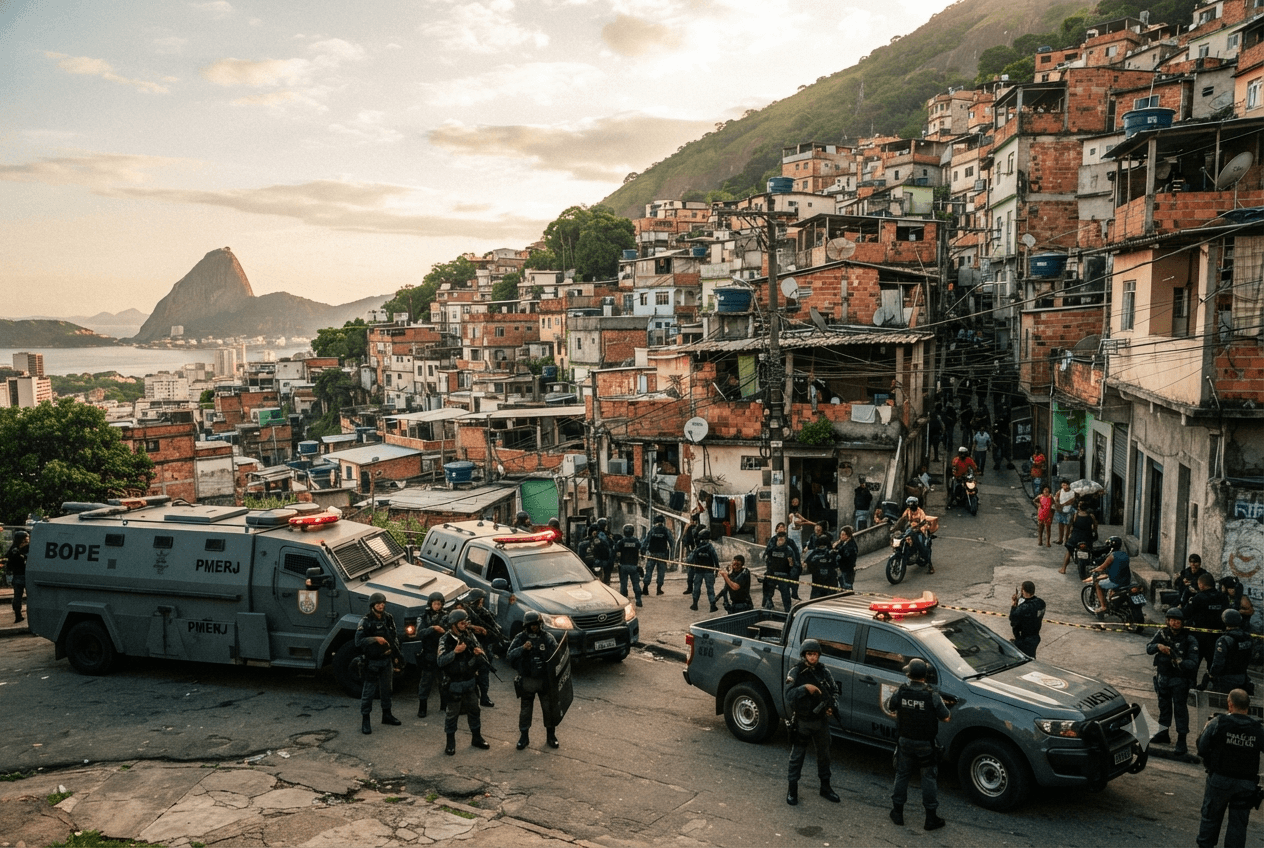
Military police battalions eventually entered the conflict zone, where they discovered four bodies sprawled across the asphalt near a municipal square. Among the deceased was an innocent local bystander who was caught in the crossfire while returning from a neighborhood market. Paramedics rushed three wounded individuals to a nearby municipal hospital under heavy armed escort, as medical teams declared a trauma alert. Forensic experts recovered dozens of spent assault rifle casings from the area, cataloging the extensive property damage caused by the shootout.
Community leaders expressed profound outrage over the escalating cycle of urban violence that routinely threatens the safety of working-class families. They highlighted the need for more effective public safety measures to protect residents from such violent incidents. Public safety officials defended their tactical response strategy, acknowledging the immense operational challenges posed by heavily armed criminal syndicates that dominate the area.
Human rights monitors have demanded independent investigations into the high casualty count and the persistent failure of state security measures to protect civilians. The violence has raised serious concerns about the effectiveness of law enforcement in managing gang-related conflicts in the favelas. Local bus lines suspended services to the neighborhood entrance, stranding thousands of commuters during the evening rush hour and further complicating the situation for residents.
As forensic units wrapped up their initial evidence sweeps, dusk settled over the darkened hillside community. Armored police vehicles maintained stationary checkpoints along the primary access roads to deter any immediate retaliatory strikes from the rival factions. The ongoing violence underscores the urgent need for comprehensive strategies to address the root causes of gang conflicts and ensure the safety of residents in Rio de Janeiro's favelas.
Published by Banx Network. This article is part of the Banx decentralized media programme, powered by the BXE token on the XRP Ledger.



